Workout Music
A workout track needs a kick a runner can catch, room for a coach to speak and a clear ending for the last rep. Tracks made with Suno can hold back the groove, bring in a cue-like vocal or leave a clean gap before the effort returns. Together, those choices can give workout music pressure, space and release without filling every second.
Showing 15 of 15
 3:15EDM · Pop · Electropop · Indie Pop · Hip Hop · Rap Rock · Alternative Rock Bass Boosted
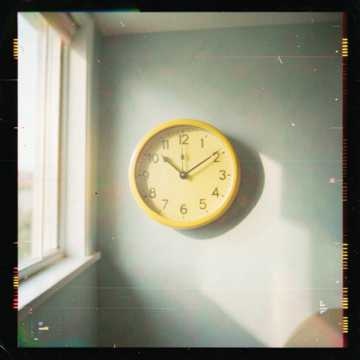 2:28American Workout Pop With A Steady, Motivating Beat And Clear Natural Vocals. Make This A Simple Memorization Song, Not A Story. Focus ONLY On The Arabic Clock-position Phrases. Do Not Add Hours 1–12 Or Unrelated Vocabulary. Pronounce Every Arabic Phrase Clearly And Naturally
 5:36High-energy Melodic Dubstep Workout Anthem At 150 BPM, Driven By Relentless Four-on-the-floor Kick, Punchy Layered Drums










Workout music under changing footfall
Before the first hard effort, the pulse should be easy for the body to follow. A kick that lands with room around it, a bass figure that repeats cleanly and a restrained upper layer often help the warm-up settle. As the session asks for more, the track can build pressure without feeling faster. Add weight beneath the beat, shorten the rests between accents or let percussion gather at the edges. Those changes tend to show up in the feet, shoulders and breath.
Intervals usually benefit from a contrast the body can recognize. Keep one accent steady enough to find after a sprint, a burpee set or a climb, then change the density around it. A dry clap can mark a turn clearly; a loose shaker or offbeat hand drum can keep repetition from going flat. For a coached workout, leave space around spoken cues. For solo work, fill that space with a second rhythmic layer or a stronger bass line. A useful arrangement should make the next step easy to place, with enough repetition to keep the pattern familiar. Words such as grounded, pressing, springy or easing can describe direction without fixing an exact tempo.
Singing sets the distance from the beat
An instrumental workout track often leaves the count, breath and footfall clear. That openness often suits a session where a coach supplies verbal direction or the movement itself stays in the foreground. Bring in a solo voice and the effort can turn inward. A low register often emphasizes the body's weight; a higher line often draws the ear above the drum pattern. Let the body's task guide the register, so the energy fits the movement.
A group response can change the social feel of a workout. Short repeated words can act as a shared cue when the spaces between phrases stay clear. Longer lines need space around them and enough time for the kick to return. The lyrics are part of the physical decision. Use lyrics whose syllables fit the phrase's movement. A close solo, a broad group or no singer at all can shift attention elsewhere. Bring in the vocal after the pulse is established and keep the chorus from covering the spoken instruction, breath or footfall that guides the session.
The ending sets up the first bar
Room around a coach's cue matters at the finish too. Choose a clean stop, a soft decay or one last held tone after the last hard effort. That choice shapes the middle. A clean stop needs the peak to arrive without a crowded tail. A soft decay leaves a little brightness and low-end motion in reserve. A held tone lets the space after the drums become part of the ending. Once the middle is clear, the opening can settle into a repeatable kick, an audible breath and a texture that saves some of the session's force for later.
In Suno, start with the close, hold something back in the middle and end with the pulse that welcomes the first movement. For a final rep that needs a firm release, let the last accent land cleanly and keep the preceding bars open enough for it to matter. If the close changes to a fading drum pattern, the middle needs less density and the opening needs a steadier, more patient entry. The ending choice also shapes the first footfall.
Frequently asked questions
- How much air should workout music leave for coaching cues?
- Leave enough room for the coach's words to arrive without fighting the upper percussion. Keep the main kick and a familiar accent easy to locate, then thin bright layers around counts, corrections and exercise changes. A short opening before a cue often helps more than lowering every part of the track, because the pulse still needs to carry the work. Match the spoken space to the effort level and the moments that need air. The room, speaker and movement decide the final balance.
- Should a recurring clap mark the return after each interval?
- Yes, if the clap stays tied to a return the body already recognizes. Place it after the work passage, keep the surrounding low pulse steady and let the other percussion pull back for a breath. That small marker gives the next interval a clear point of return without turning every bar into a signal. A shaker, rim sound or hand drum changes the texture, so choose one accent and repeat it long enough to become familiar. Its value depends on the exercise's pace and how much spoken direction remains in the room.
- When should the music widen from warm-up into the hardest set?
- Give the opening time to settle, let the middle grow denser and allow recovery to release pressure through fewer layers. The warm-up benefits from audible gaps and a light top layer. The hardest set needs more weight, tighter accents or a fuller response, but holding one bright texture for that moment makes the change easy to hear. Recovery works best when the arrangement releases pressure through fewer layers, longer decay or a simple pattern that returns. Keep one rhythmic clue across all three stages, so the session can change character without losing its pulse.