Cooking Music
A simmering pan, a knife on the board and a voice explaining the next step all need room. Cooking music can sit beneath that work, keep a brisk preparation moving and save a warmer lift for the plated dish. Each cue should support the hands, spoken steps and final reveal without turning every cut into a race. That balance can come through in AI-made tracks from Suno. The recipe's pace, the kitchen's warmth and the right moment for the music to open all shape the cue.
Showing 17 of 17
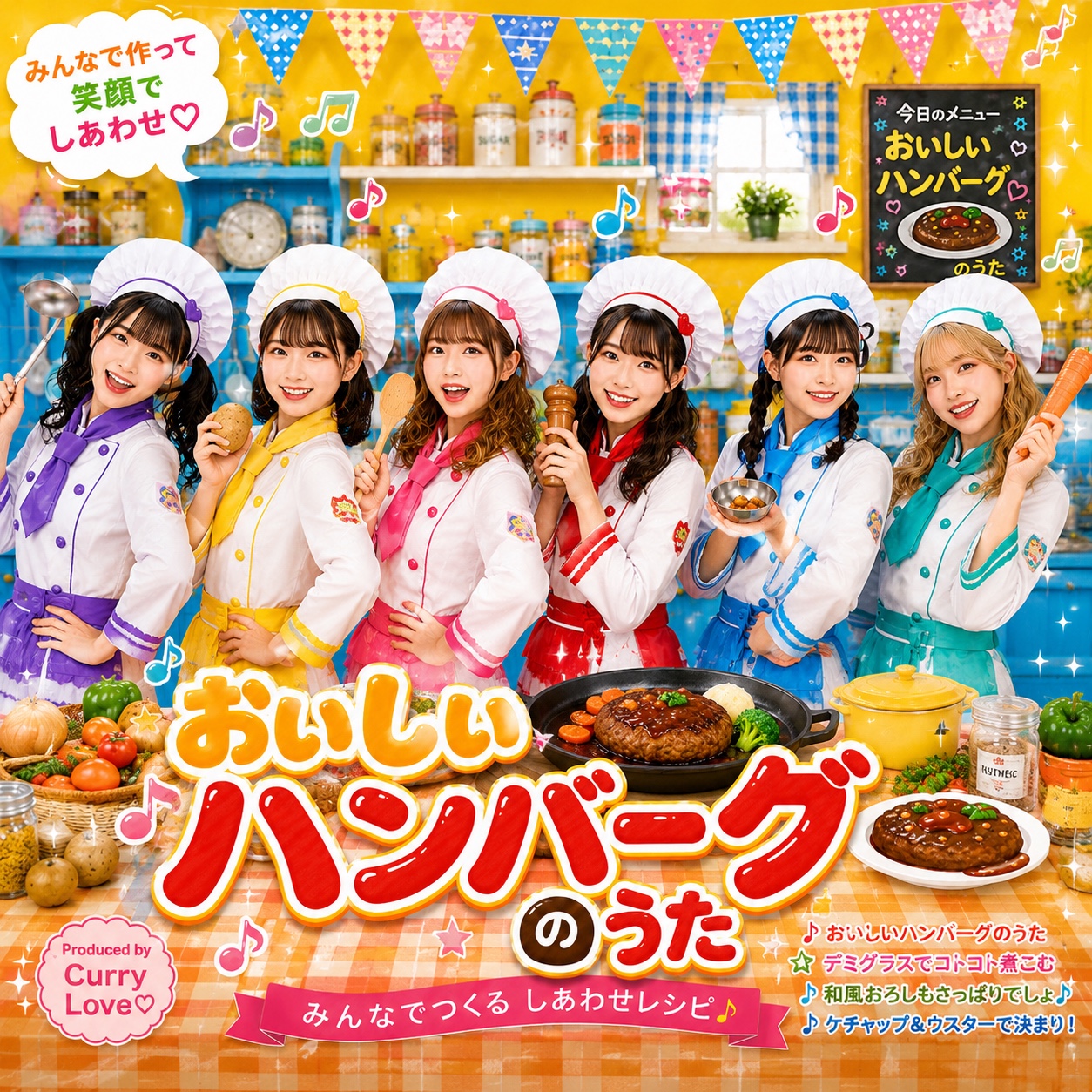
 4:33All-female Vocal Quartet Exclusively, Bright Female Lead With Three Clear Female Harmony Voices, Fully Sung From Beginning To End. Cheerful Bubblegum Cooking Pop
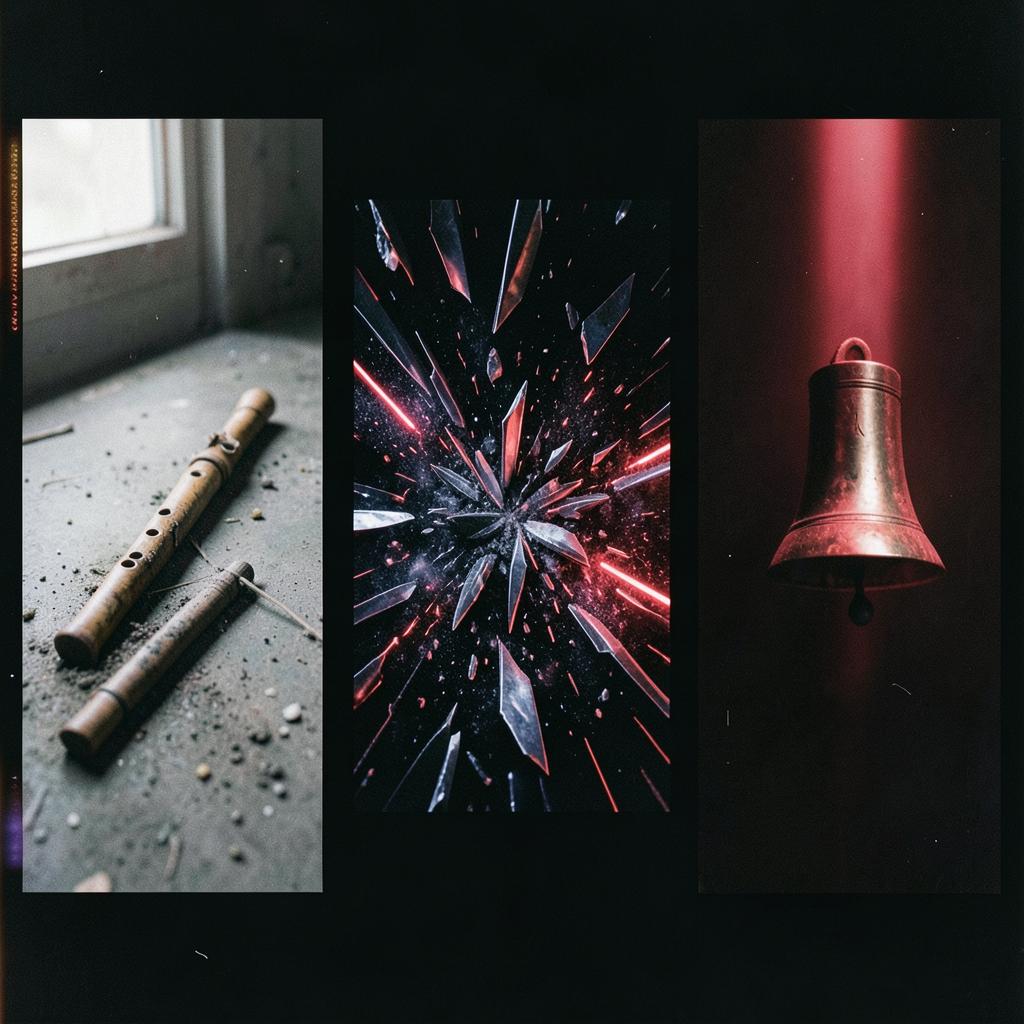
 1:58Instrumental Aura-farming Brazilian Phonk, 1:58 Total. Open With A Lonely Breathy Wooden Flute Over Sparse Vinyl Dust And Distant Low Drones For 12 Seconds. Build Into An Unconventional Section Using Detuned Modular Plucks, Reversed Metallic Hits
 3:20[Upbeat Hello! Project Inspired Idol Pop][Six-Member Female Idol Group][Energetic Six-Voice Group Vocals][Distinct Individual Vocal Characters][Playful Characterful Vocals][Tight Six-Voice Unison][Alternating Member Lines][Lead Vocal With Group Responses][Layered Six-Part Harmonies][Playful Call-And-Response][Danceable Idol Pop][Hard Groovy Disco][Driving Four-On-The-Floor][Funky Disco Bass][Syncopated Bass Groove][Tight Disco Drums][Claps & Percussion][Bouncy Dance Groove][Bright Piano][Rhythmic Piano Chords][Orchestral String Stabs][String Disco Riffs][Bach & Beethoven Inspired Melodic Motifs][Classical Melody Accents][Kitsch Cooking Pop][High-Energy Chorus][Live Idol Energy][Fun & Playful][Six-Member Idol Choreography Feel][Group Dance Energy][No EDM][No Trap][No Heavy Rock]
 1:00Lần Này Mình Đề Xuất Kids Funky Dance / Cooking Groove, Khác Với Các Bài Kids Pop Trước: Prompt: Upbeat Funky Kids Dance Song, 120 BPM
 4:12Cinematic Acoustic Corporate Cooking Background Music, Minimal, Warm Tone
 2:52Reset Your Mind. Rainforest Cooking Music I6. Cook N Love With Dr. Ashmon. Relax * Focus * Cook

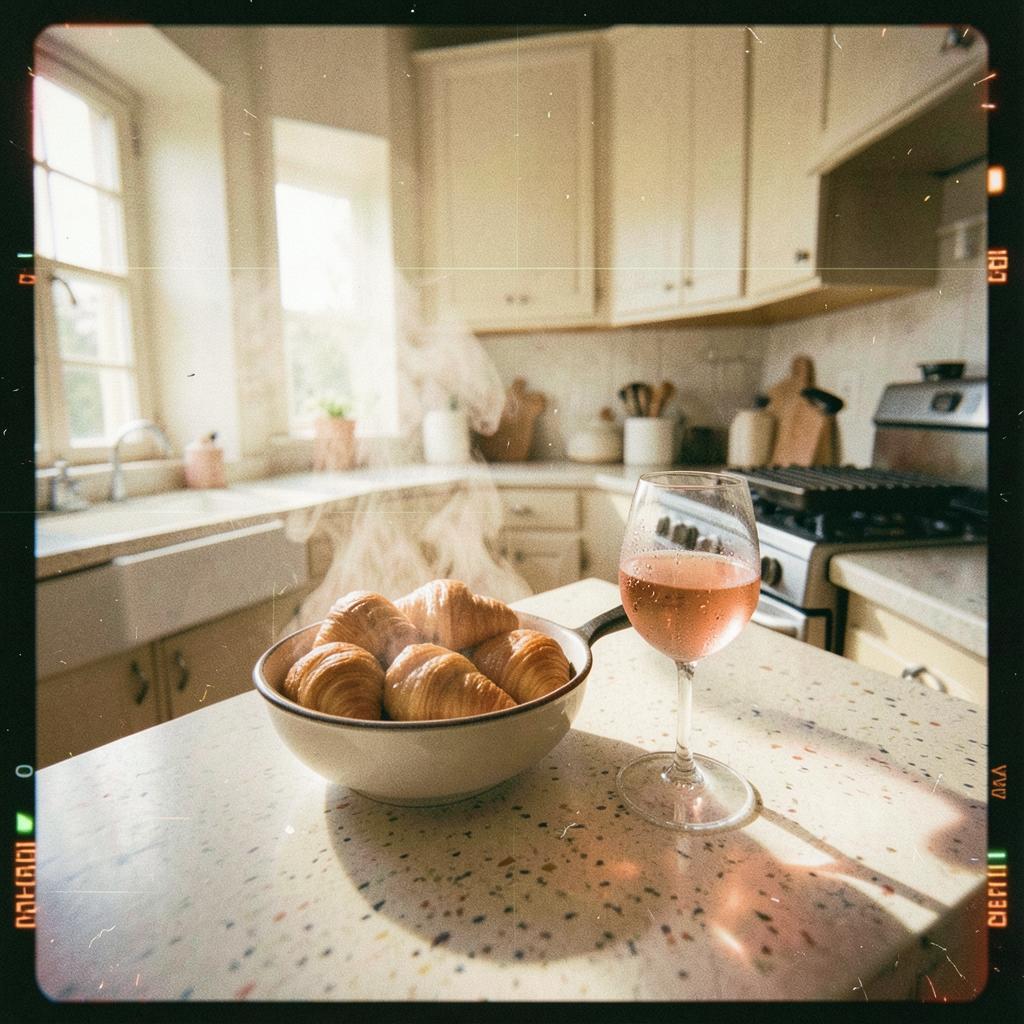
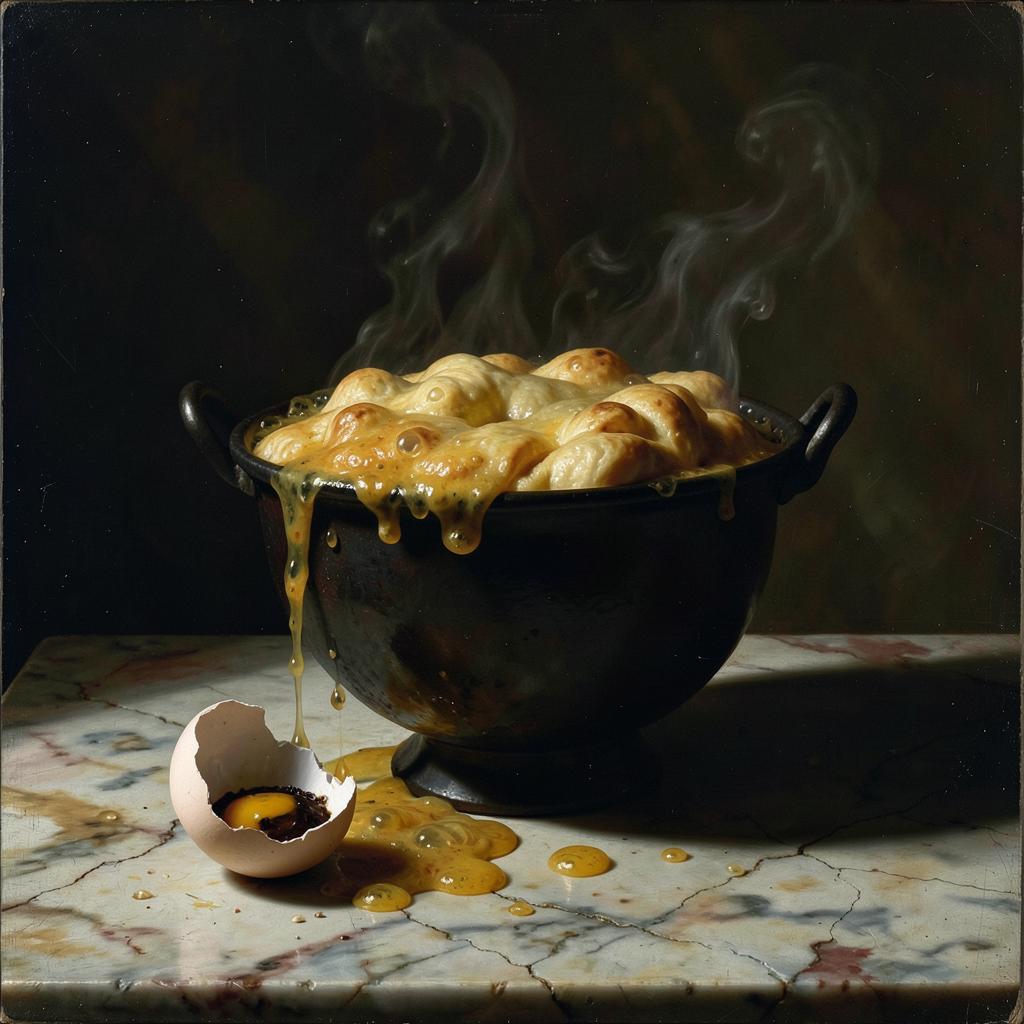
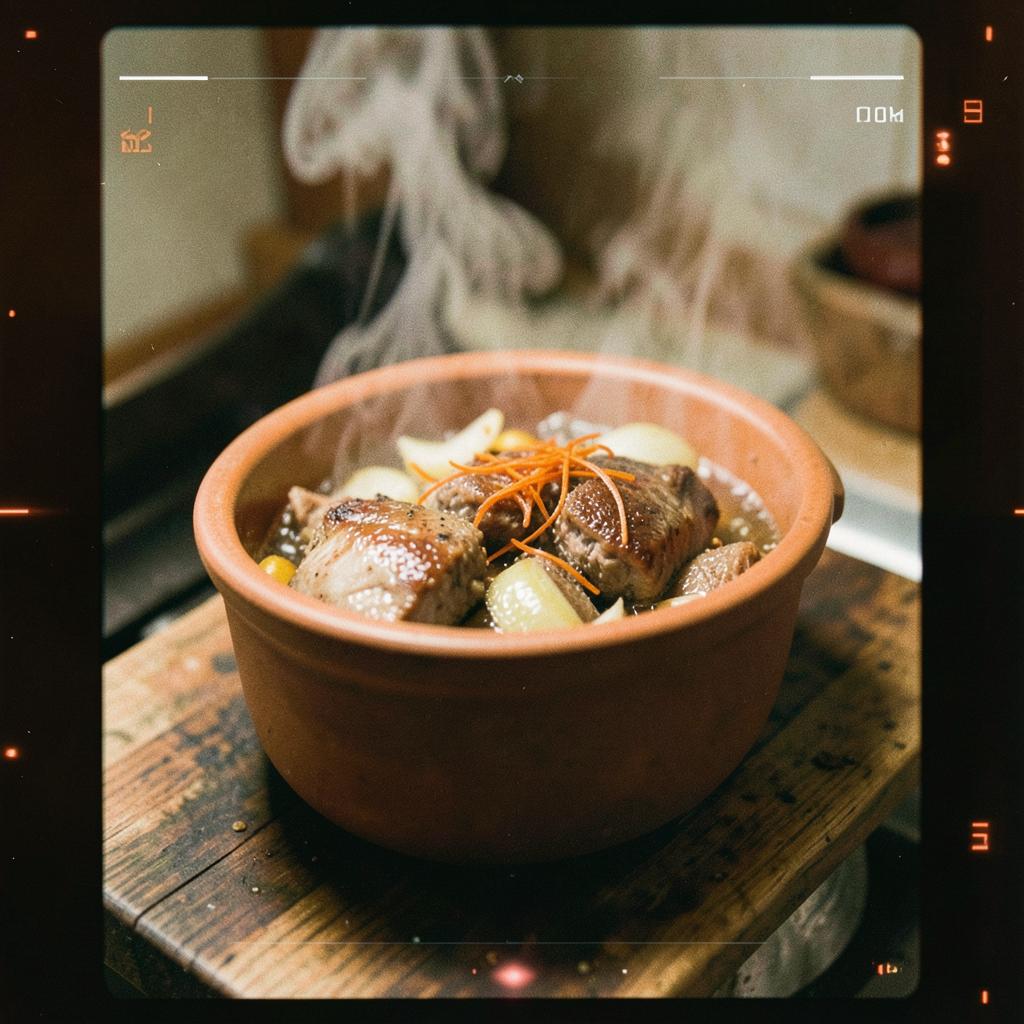
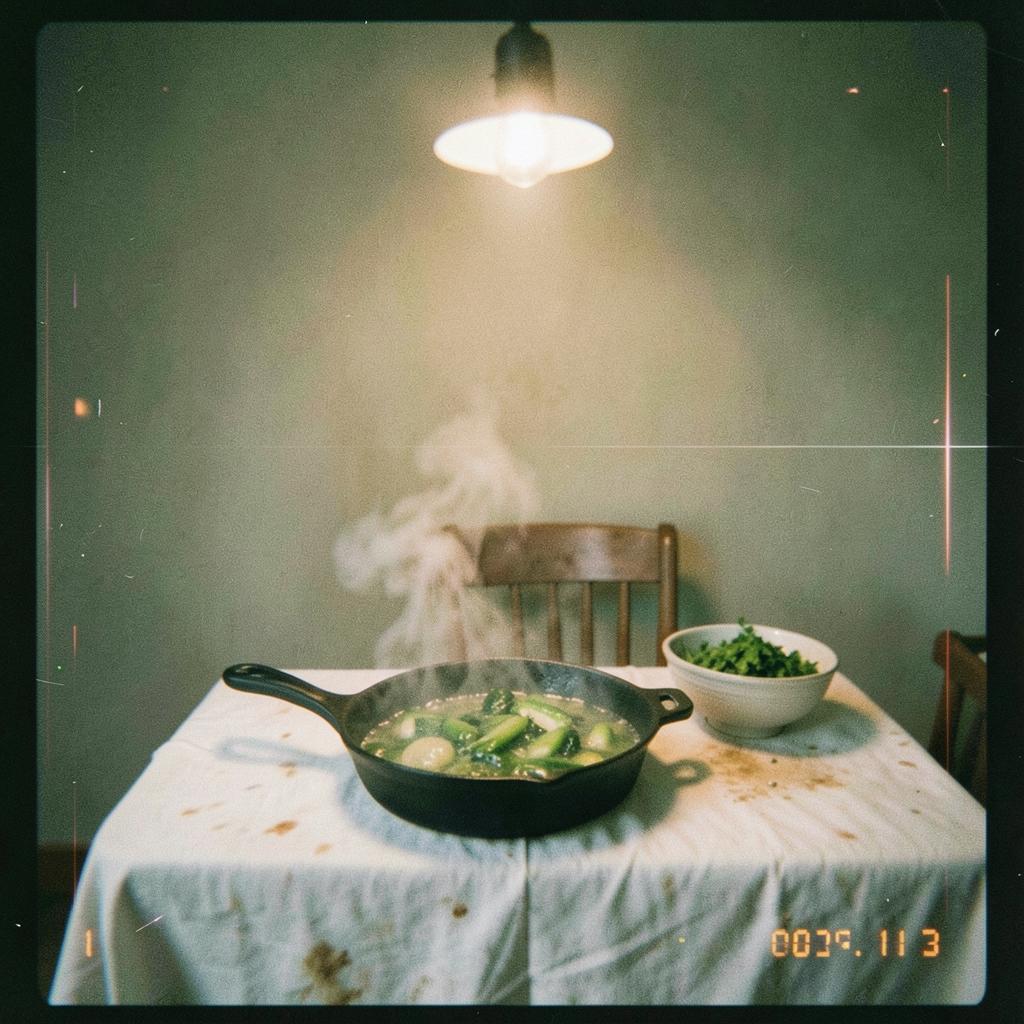
Leave room for the knife and voice
The common first attempt is to make every cut feel busy. A fast kick, a bright top line and constant fills can crowd the chopping, pouring or spoken instruction. The dish may move at a measured pace, yet the cue can rush from one moment to the next. That constant activity tires the ear and leaves no useful place for a change in energy.
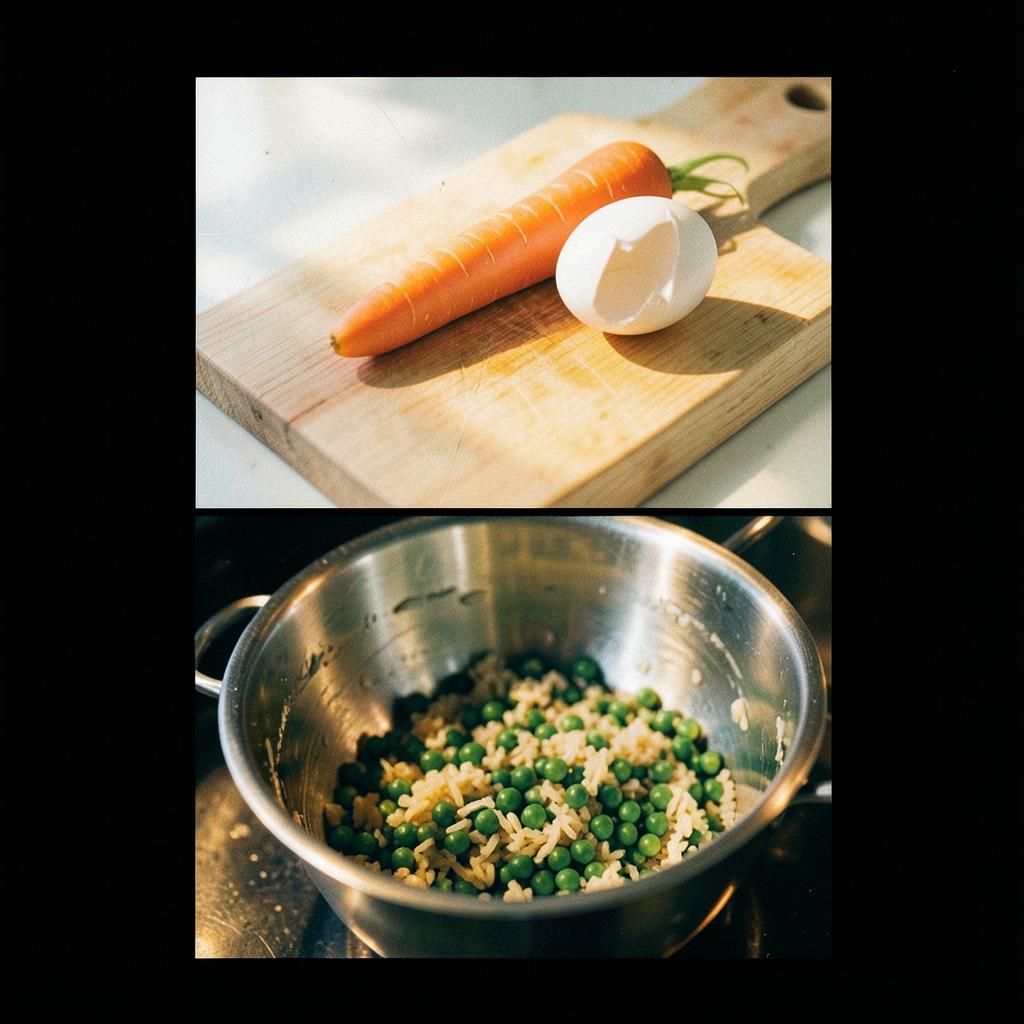
Leave space in the arrangement. Use a restrained pulse to mark the hands at work, with small gaps around a spoken step and fewer events during a long stir. Let crisp percussion sharpen an edit point, then fall away before the voice returns. For a recipe built from repeated actions, a two- or four-bar figure often loops without calling attention to the join. Use a short pickup to lead into the reveal, while a held chord gives the final plate room to register. Well-placed changes keep the arrangement interesting. The cue earns attention by leaving the counter clear when the voice or action needs it.
A pulse for chopping, simmering and plating
People looking for cooking music often weigh a lively groove against a cue that can sit beneath a long instruction. Let the edit set the balance. Quick chops, pan tosses and ingredient drops suit a tight rhythmic figure. A sustained pour or slow glaze needs longer notes, softer percussion and a gradual arrival with space around the shot. A track can change density while its pace stays controlled from beginning to end.
Genre labels can point the ear in a direction. The arrangement decides how busy the cue feels. A light funk pulse can make a montage feel nimble. Brushed drums and warm keys keep a hands-on sequence relaxed. Acoustic plucks, hand percussion or a low repeating bass figure add motion without crowding a recipe voice. For a close shot of steam, leave a pocket before the next accent. For a plated-dish reveal, a small harmonic lift can make the moment feel more open. Let those changes follow the visual rhythm, with enough restraint for attention to stay on the food.
Cooking cues from first sizzle to final lift
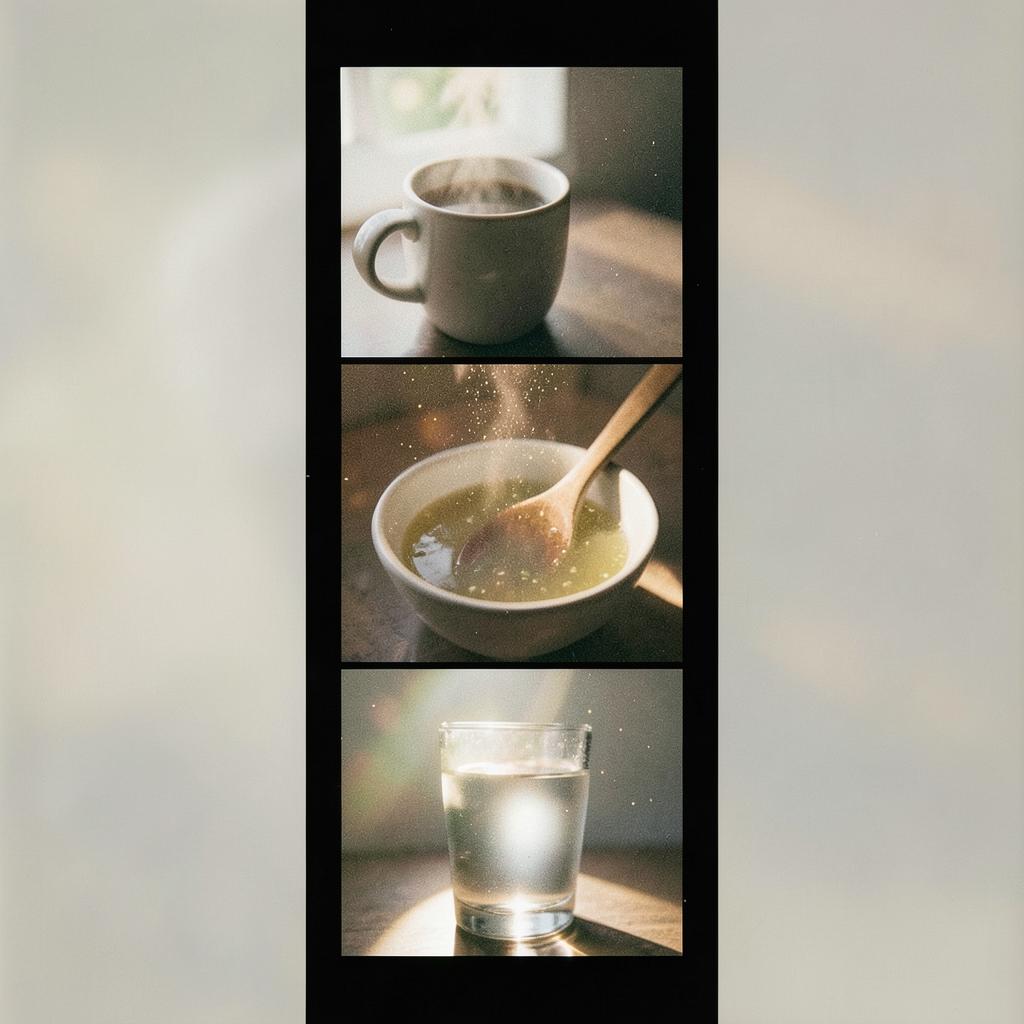
A held note under a long pour gives the music a steady base. Picture a narrow kitchen in late afternoon, with the camera close to the board and a low refrigerator hum at the edge of the room. The first sound is a dry handclap, spaced like a knife meeting wood. A rounded bass note arrives after it, then a soft brush pattern gathers as onions hit the pan. The sizzle can grow a little brighter while the kitchen remains audible around it.
That small kitchen moment calls for a Suno track with a warm, lightly rhythmic feel, a clear pocket for spoken steps, a gentle rise through the cooking stretch and a clean opening for the plated dish. Quick edits suit shorter phrases and crisp accents. A lingering shot of steam suits longer tones and patient percussion. A touch of room noise in the imagined texture can make the first entrance feel close, while a wider chord at the reveal can open the plated shot. Keep the main lift at the plate, with the pulse still light enough for one final instruction.
Frequently asked questions
- How much room should a spoken recipe get from the soundtrack?
- Match the musical span to the visual job. A quick preparation benefits from a clear opening and an early rhythmic idea. A longer cook-along needs space for pauses, spoken steps and repeated actions. Use the length of the sequence to guide the arrangement, with the exact runtime left open. Check the points where the music should thin out, hold steady or gather energy. The ending works when it supports the plated dish instead of arriving before the final shot.
- Should the melody stay out of spoken recipe steps?
- Keep the lead idea compact when instructions carry the video. A repeated two-note figure, soft keys or a modest guitar phrase can give the ear something to remember without competing with the words. Let fuller harmony arrive during a montage, transition or food close-up. This keeps the arrangement useful across different kinds of recipes, from a quiet pour to a fast sequence of cuts. The right amount of melody depends on the voice, edit density and space in the mix.
- As a dish moves from prep to plating, where should the music turn?
- Give the cue a few clear landmarks. A light pulse can settle under preparation, a small lift can accompany a pan or oven reveal and a wider chord can mark the finished plate. Leave the transition slightly open so an edit or spoken line has room. A sudden jump may pull attention away from a delicate step, while a flat arrangement can make the final image feel unchanged. Shape the rise, pause and arrival around the recipe's visuals so the music follows the meal's pace.