Dance Music
Choose a pulse that can survive a cut while leaving room for a live crowd's breath and voices. Dance music made with Suno lets you hear movement cues. A clear musical description can turn those cues into a track. Mark the opening, the turn and the release you want to explore. Describe those decisions in musical terms, keeping the room, the footage and the listener's attention in mind.
Showing 20 of 20









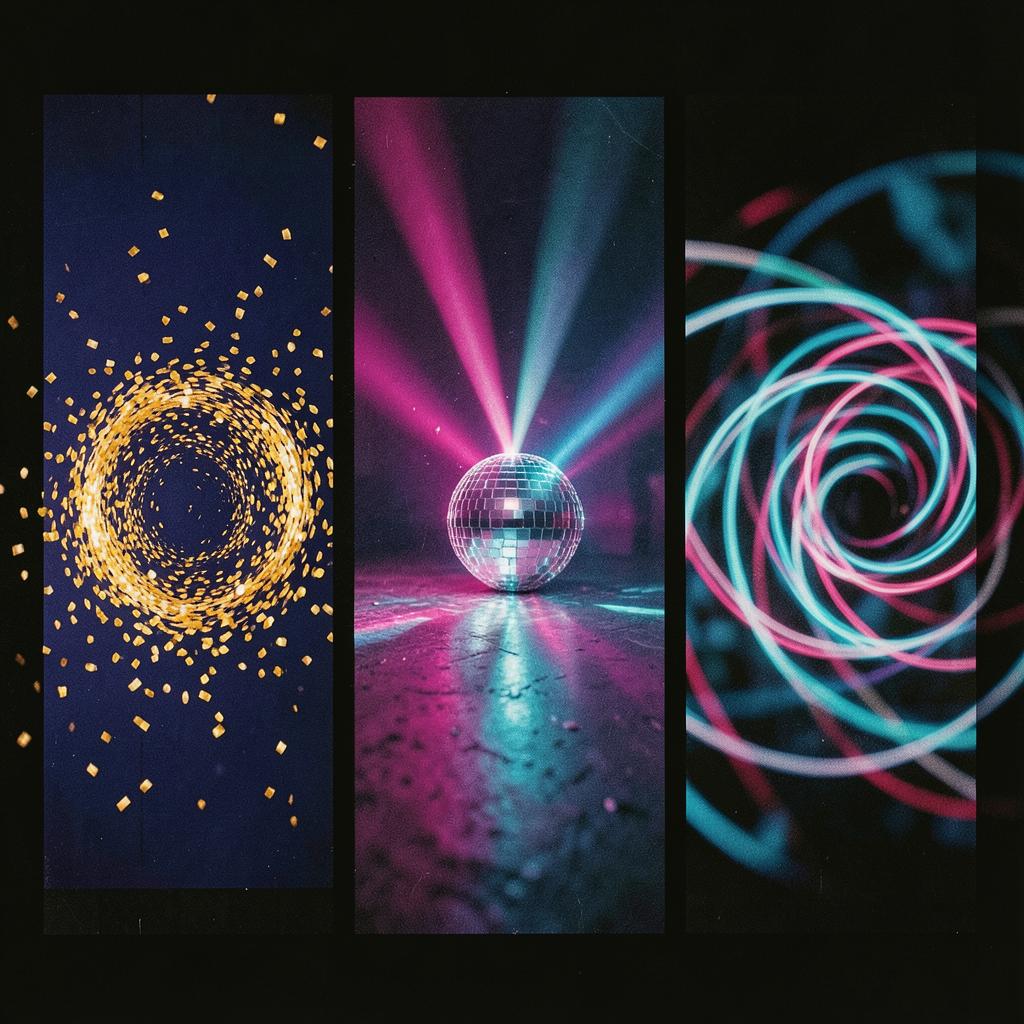

Let dance music leave room for the moment
Keep the beat behind the dialog. When a dancer, presenter or crowd carries the main action, a dense bass line or bright top end can draw too much attention, especially beneath speech. Leave room for speech with a restrained opening, a clean pocket for a spoken cue or a bass pattern that stays steady as the footage changes. In a room, set the desired energy and how hard the beat should hit. A track that feels generous in headphones can press hard against voices in a smaller space.
Editing brings another consideration. A dance cue may need to enter after a title, hold through a sequence of repeated movement or provide a clear point for a cut. Short phrases and clear transitions make those changes easier to judge. The arrangement still needs character. Try a clipped drum pattern for a sharp edit, a rounded low end for continuous movement or a held note before a lift in the room. Change the pulse's intensity as the scene changes to guide attention.
Build a dance arc from entrance to release
Leave space at the opening so the first full hit can feel larger. Give the track a defined texture, restrained low end or small rhythmic figure so the edit has room to begin. Use a large drop for a strong turn when the scene calls for it. Choose a smaller layer change when the sequence should build more gradually. Pull the bass back for a moment to reset attention and let the next phrase build again. If the music sits beneath footage, place that change near a visible change in the scene and test the timing against the footage.
The ending deserves its own decision. Let a hard stop fit a final pose or a cut to silence. Use a tapering tail when bodies keep moving as the room changes and try a repeated figure for a longer passage that needs continuity. Shape the energy curve with a quiet entrance, rising energy, one clear break, a full release and a short ending. Listen for a turn that arrives too soon or leaves too little time for the ending. Changes in intensity over time guide attention through the music.
Shape the scene in three musical moves
A kick that leaves room for a spoken line, a break that clears the frame and a release that fills the room can mark the scene's movement. Suno can turn those moments into a small scene. Shape the sequence with an opening that leaves air around the first movement, a middle turn that pulls the pattern back or changes its weight and a final section that settles into a chosen tail. Set the energy direction, texture and vocal character when there is one. If the track needs to stay instrumental, say so. Write your own lyrics when words are part of the scene and hear them sung.
After the first result, compare the opening, the break and the release with the scene you imagined. Listen for enough air in the opening and useful tension in the break. Check that the release fits the moment. Adjust the description to match what you heard. You might use less low-end weight, a looser drum feel, a shorter ending or a more distant vocal. Treat a tempo direction such as slow-building, mid-tempo or urgent as guidance. The next result may move differently from what you imagined. Keep the choices that serve the scene and reshape the rest.
Frequently asked questions
- What makes dance music work under dialogue or crowd noise?
- Speech and crowd sound need room to remain clear. Use a controlled opening, a stable pulse and measured changes that leave space around speech and crowd sound. Set the cue's entrance near a visible cut or movement shift that may need a musical turn, then test the timing against the scene. The balance depends on the arrangement and the space around it.
- Why use a break before the drop in dance music?
- A break lowers the intensity long enough for the next entrance to register. In a dance cue, that gap can create space for a cut, a change in formation or a crowd response. Shape the break around its job and feel. Pull the low end back, thin the rhythm or leave a brief pocket before the release. The effect depends on what surrounds it, so try a restrained break alongside a sharper one and keep the version that serves the scene.
- Which details help shape a sparse opening and a late release in Suno?
- Think in sequence rather than a single mood. Set a sparse opening that leaves air, a gradual rise in energy, one clear break and a late release that settles into a short ending. Include the setting the music must support, such as a dance edit, rehearsal or crowded room, then choose a vocal character or an instrumental. You can write your own lyrics when words are part of the scene. Hear the result and revise the description toward the pacing and weight you want to explore.