Documentary Music
A name appears beneath a date in the lower third while the cue stays a step behind. Documentary music can add detail, leave a clean edit point and rise in measured steps as the picture moves from caption to lived action. A track made with Suno can follow the edit, with its pace, texture and form set by the maker. Keep the story in front. Let the score step back when speech or action needs room, and reserve its widest sound for a change the picture has earned.
Showing 19 of 19
 2:13Industrial Cinematic Documentary, Measured-confidence Mood, 76 BPM. Arc: Low Mechanical Pulse → Controlled Percussion → Subtle Industrial Build → Steady Confident Ending. Prohibited: Triumphal March
 5:20Style: Pure Spoken Narration, Dry Voiceover Only, No Singing
 3:25Corporate Documentary Soundtrack. The Arrangement Features A Rhythmic Acoustic Guitar Playing Steady Sixteenth-note Strumming Patterns, Layered With A Clean Electric Guitar Performing Muted Arpeggios. A Deep Synth Bass Provides A Consistent Low-end Pulse. Percussion Consists Of A Crisp Electronic Snare On The Backbeat And A Driving Kick Drum. A Bright, Staccato Piano Melody Enters Periodically To Highlight Transitions. The Tempo Is 120 BPM In The Key Of C Major. The Production Is Clean And Compressed
 3:13Sparse Documentary-style Trap With One Exposed Instrument—muted Rhodes Or Lone Piano Motif—under A Smooth Bounce Groove. Punchy 808s With Tight Glide, Crisp Rimshot/snare, Minimal Hats
 2:09High-end Cinematic Brand Film Style, Elegant And Refined Orchestral Introduction, Then Deep Serious Male Voiceover
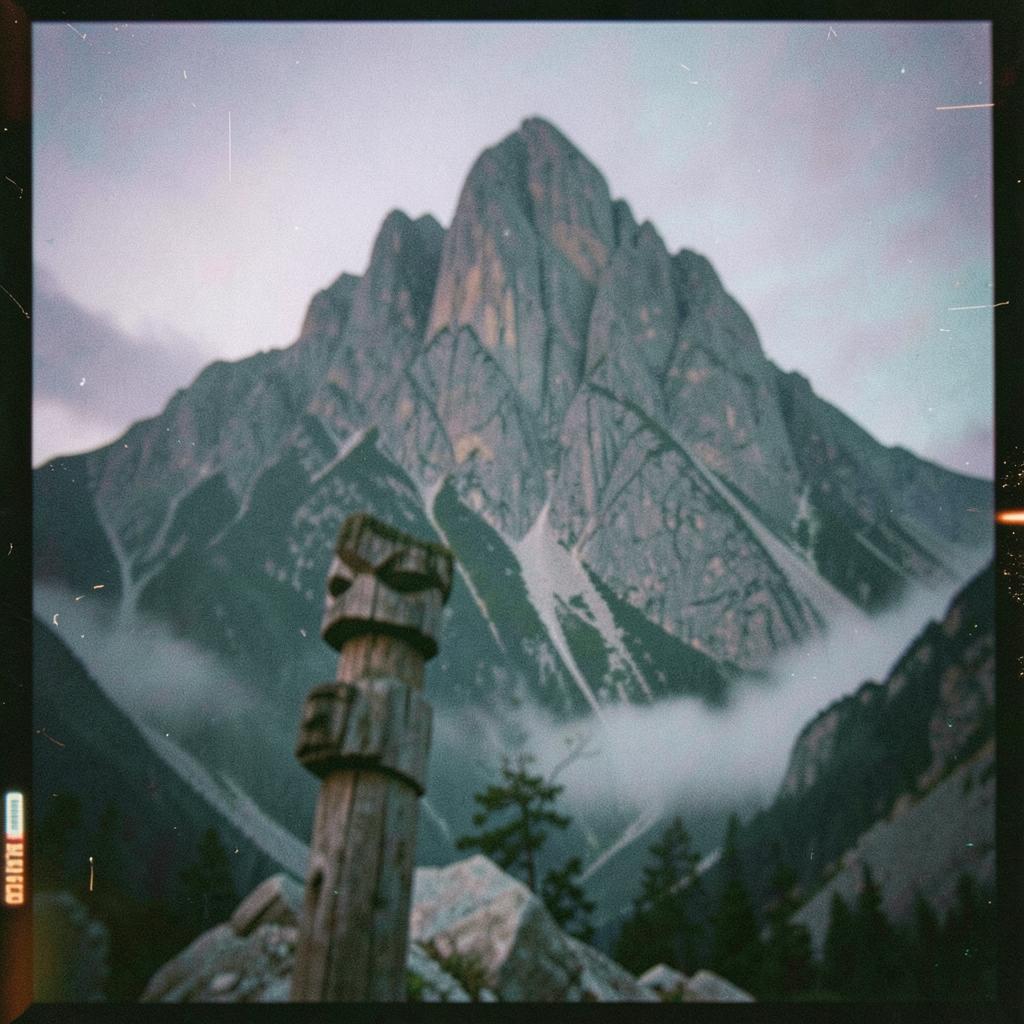
 3:03Instrumental Cinematic Wilderness Music For Bushcraft And Outdoor Videos. Atmospheric, Adventurous And Slightly Mysterious Forest Mood. Medium Tempo 90–100 BPM With A Steady Subtle Pulse. Deep Warm Bass, Organic Wooden Percussion
 3:00An Intimate Instrumental Documentary Score About Gratitude Left Unspoken Until It Is Too Late. Slow 66 BPM, Sparse And Spacious, With One Clear Melodic Voice
 2:59Epic Cinematic Instrumental Soundtrack For A Dramatic Wildlife Documentary. Powerful Orchestral Strings, Deep Cinematic Percussion, Massive Taiko Drums
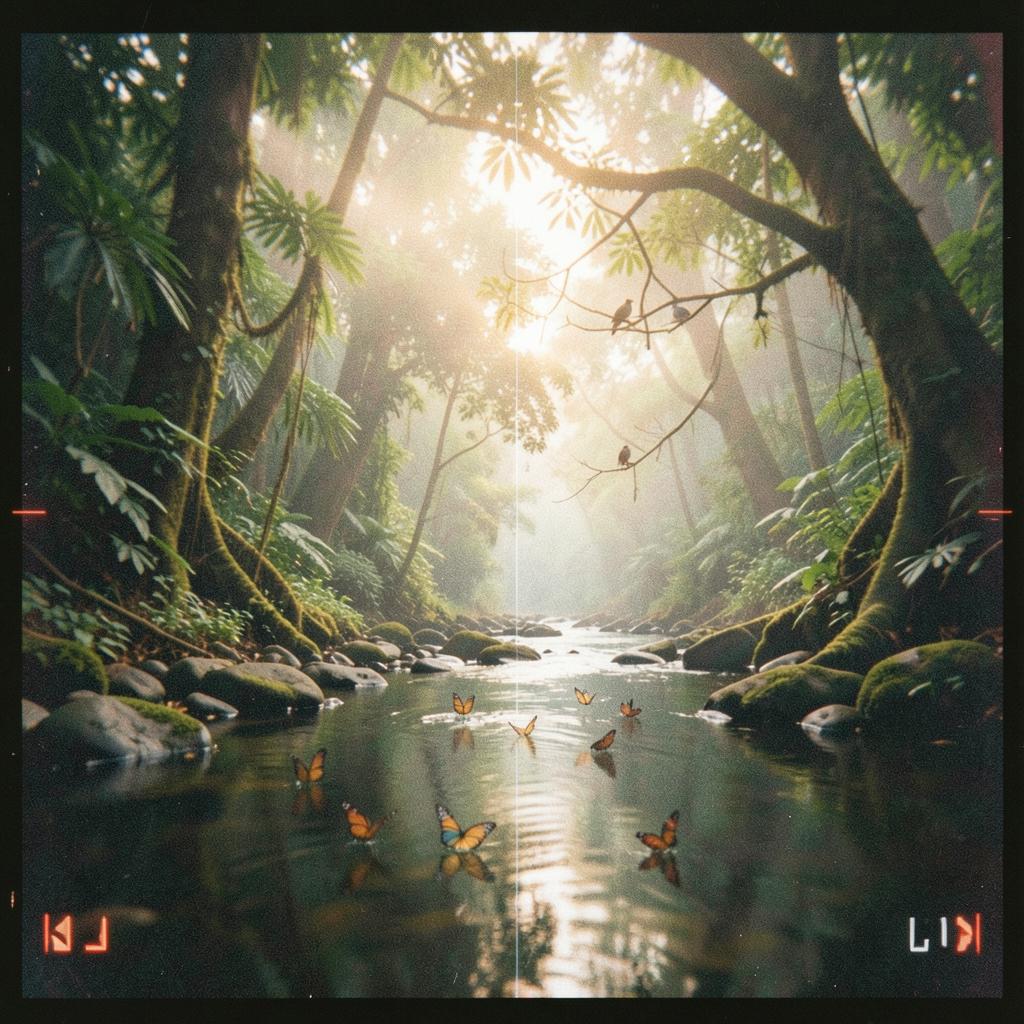
 3:19A Serene Tropical Jungle At Early Morning, Dense Lush Green Foliage, Tall Ancient Trees
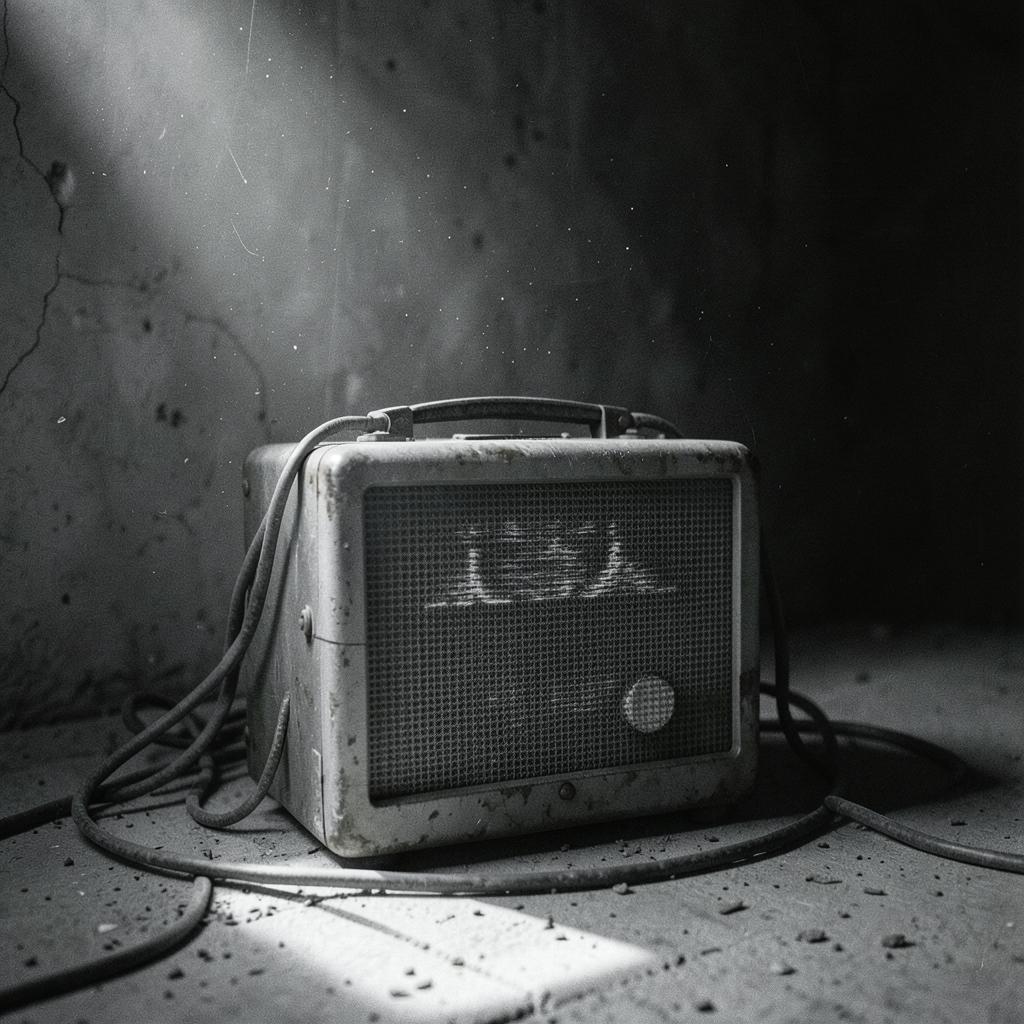
 2:48Dark Post-apocalyptic Radio Soundscape, Almost Entirely Sound Design, NOT A Conventional Song. Old Dusty Analog Radio Transmitter
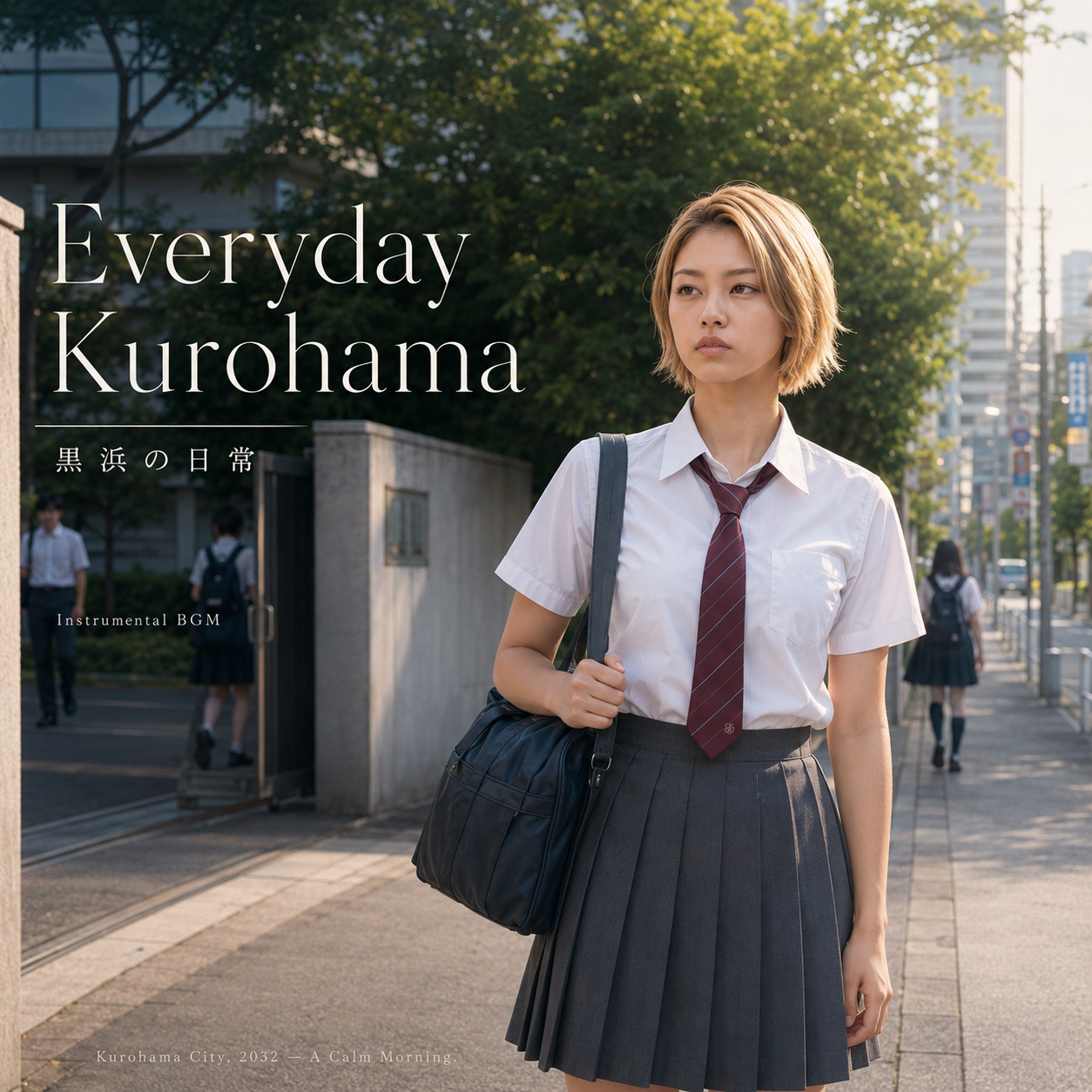
 2:55Instrumental Urban Documentary BGM For A Vast Modern Japanese City In 2032. Warm, Calm, Sophisticated
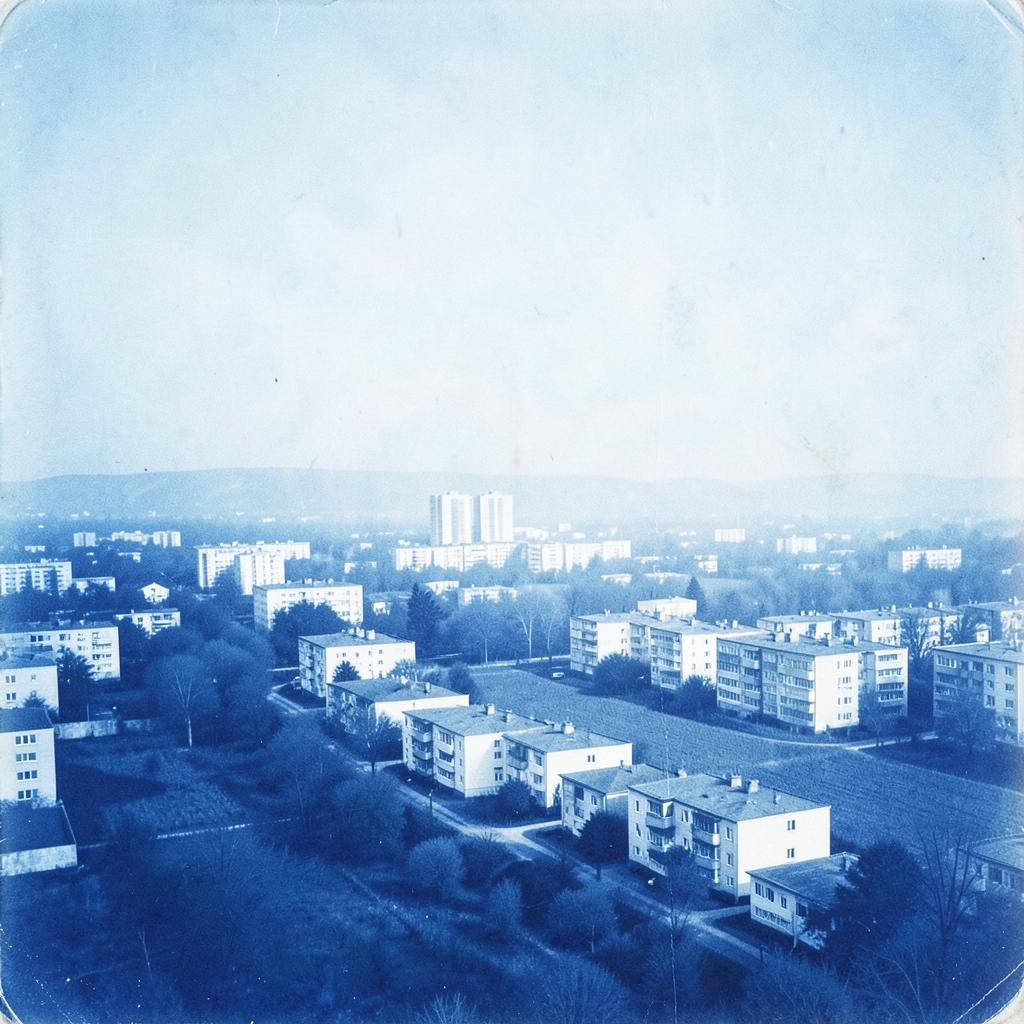
 2:41Create An Approximately 6-minute Instrumental Cinematic Documentary Soundtrack Titled “Offenburg – Stadt Im Wandel”. The Music Accompanies Historical And Contemporary Photographs Showing The Transformation Of A German City Over The Past 50 Years: Open Fields Becoming Residential Areas, Former Industrial Buildings Receiving New Cultural Uses, Old Urban Spaces Disappearing And Modern City Quarters Emerging. Begin Quietly And Nostalgically With Warm Felt Piano
 0:33Short Cinematic Instrumental Ident For A Serious Biblical Teaching Series, Approximately 25 Seconds. Begin Mysterious And Intimate With Deep Grand Piano, Low Cello
 2:05Instrumental Cinematic Football Documentary Soundtrack, 4 To 5 Minutes, Dark And Emotional Atmosphere
 5:20Cinematic Documentary Score With Continuous SPOKEN Male Narration. Deep, Warm, Mature American Male Voice; Sincere


Gradual shifts in postclassical documentary scoring
One postclassical approach borrows the patience of minimalism without making repetition the subject. A maker can build around felt piano, a small string voicing and a low sustained tone. A slight harmonic shift can mark movement without turning every cut into a climax. The music often pulls forward through controlled motion. A figure returns, the register opens and the ensemble gathers by degrees. That restraint tends to suit observational passages, archival material and testimony that should remain central.
Choose textures for their grain and the space they leave. Use a close piano attack for an object or hand, bowed strings for breadth and a soft electronic bed to connect two periods without calling attention to the join. A regional sound should come from the subject. A plucked line that recalls a lute adds a dry, articulated edge when the picture calls for it. Keep that detail in proportion to the pace and the space between events. Repetition works best when one note, register or accent changes at the right edit point.
A speaker sets a documentary cue's distance
At the first cut from a title card to a face, let the speaker's consonants arrive before the score asks for attention. Keep a narrow register under the opening sentence and avoid a busy attack that competes with names or dates. A voiceover across maps, letters or working hands calls for a bed that can hold its shape while the image changes. When the edit moves from one witness to another, a repeated figure or shared drone can link the two accounts without flattening the people on screen.
Timing shapes the arrangement. Leave a clean pickup before a quotation, make the middle steady enough to support a longer passage and reserve extra width for a shift in the film's distance. A thinning tail leaves space for the next cut. If a sequence needs several lengths, build the energy around a repeatable center and let the entrance or exit carry the edit point. Keep the lowest register modest near speech. For a home screening or group showing, that same discipline helps the audience follow a face, a caption or a change in place before the music asks for attention.
Felt piano before a wider passage
First consonants and gradual harmonic shifts need the same patience in a cue. The rhythm is a brushed 6/8 tread with a small gap at the end of each bar, enough motion for a traveling shot without pushing the speech. The texture is felt piano, a low bowed tone and a dry room around both, with no dense layer filling every pause. The structure is a spare opening, a repeatable middle for evidence and photographs, then a wider passage reserved for the moment the account moves beyond one person's perspective. Use Suno to build from those choices while leaving timing open. Swap the 6/8 tread for a figure built from two slow notes. Check the consonants at the start of each sentence, the cut where an archive image enters and the tail after the final phrase. A hurried figure needs less range. An early wide passage should keep its added register for later. Small changes do the work. Dense sound would blur the evidence.
Frequently asked questions
- Must documentary music sound solemn to respect serious material?
- Solemnity is one option among several. A documentary about work, movement or everyday ritual may need curiosity, warmth or a stubborn rhythmic figure. The subject sets the mood, while the arrangement still needs to leave speech and important images legible. Try a lighter timbre or a gently propulsive pattern when the footage has motion. Reserve a darker sound for a passage that earns it. Respect comes from attention to the material. A grave cue is one possible answer.
- As a caption gives way to a face, how should the cue change?
- At the cut from a caption to a face, a narrow register lets the first words arrive without competition. Once the film moves toward a workplace, landscape or object, the arrangement can add motion or a higher layer. A sustained middle can carry a longer run of images, with the widest register held for a change in scale that the edit has prepared. Thin the tail before the next account begins. The music stays with the film when its energy follows the shift from a close face to a wider view.
- Why does felt piano suit an interview-led passage?
- Felt piano gives an interview cue a close attack without filling every space between words. Pair it with a held string tone or a dry room texture, keeping the note values long enough for a sentence to finish. When making a cue in Suno, use a felt attack, a modest low register and a pause around speech. Check the cuts around the first consonant, the move into archive and the space after a quotation. If one detail draws focus from the testimony, reduce that layer.