Drawing Music
Place a pencil study under a cue that leaves room for the sound of paper and a wet brush, along with a speaking voice. Drawing music should sit lightly beside those details, leave the middle open for speech while the hand moves and change weight as the image spreads from detail to full page. A cue made with Suno can move from the quiet of pencil lines to the lift of a paint wash. Listen for where it widens, then shape its opening, rise and final hold.
Showing 18 of 18
 4:39A Cozy Lo-fi Jazz Tune About Sketching In A Worn-out Notebook Under A Streetlight
 2:55Living Oil Painting, Seamless 10s Loop — First Frame = Last, No Visible Cut. Oil Strokes Shimmer Like Wet Paint. Petals (blue
 3:22A Lo-fi Jazz Instrumental For Sketching In A Notebook, Featuring Laid-back Drums And Melodic Piano
 7:28Style[Lo-fi, Instrumental], Mood[Timeless]
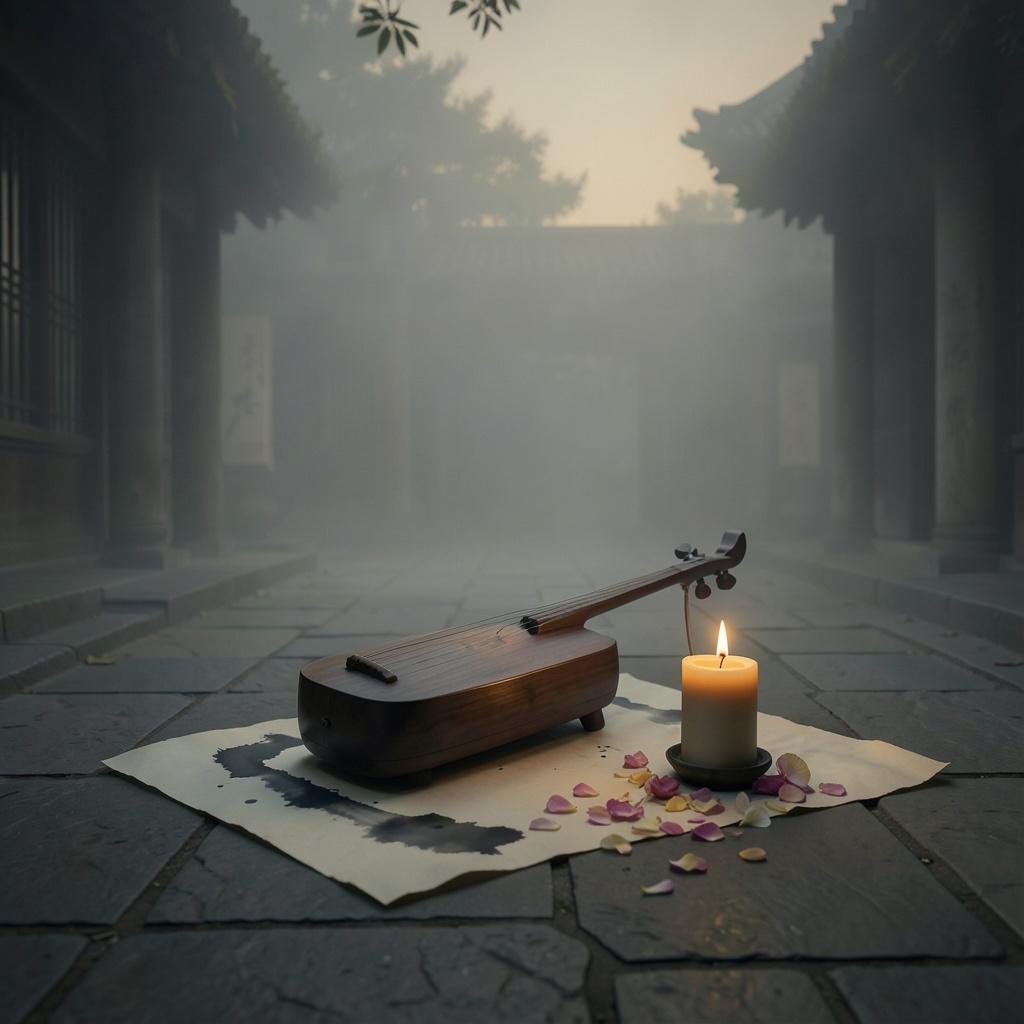
 3:54Original Guzheng, Chinese Ink Painting, Black Mountains And Flowing Water




Keep the sound of paper clear in drawing music
Up close, paper has its own sound. Listen for graphite against the paper's tooth, a brush rinsed in a jar and the soft drag of an eraser. Keep the cue beside those details without crowding them. Speech in a pencil tutorial needs room in the middle for consonants, and the rhythm should stay light enough for every instruction. Live-stream chatter arrives without warning, so leave space for a host or guest. Keep the arrangement light over the room sound.
A sped-up pencil reel has its own timing problem. A sustained note can accompany a close-up of hatching, a small repeating figure can keep a sped-up sequence moving and a clean lift can mark the move from outline to shading without overpowering the image. Reserve a short opening for the title card, build a patient middle for the hand's steady work and save the widest texture for the moment the camera pulls back. When the finished page stays on screen, a held chord or thinning pattern can ease the ending. Shape the cue around the hand, the cut and the finished page, so its arrangement serves the edit.
Pencil or wash, choose the motion
A sped-up sketch still needs more than raw speed from the cue. When the edit compresses a week of hatching into seconds, a restrained pulse with crisp subdivisions can make the hand feel quick without filling every corner. For a finished wash, a slow camera move often suits longer chords and a wider register. The eye's reading speed matters as much as the hand's speed. Read the frame for detail, change and room sound before choosing the density.
For pencil and ink, dry percussion, muted keys or a low repeating figure can match the close detail of the drawing. For paint, a slower harmonic swell, a bowed tone or a soft drum entrance can accompany a new layer as it spreads across the frame. A dark graphite study often needs more lift than a bright color wash, and a quiet brushstroke sometimes deserves a sharper accent than a frantic montage. Notice whether the cue directs attention to the mark, the cut or the finished image. Keep that priority clear by changing density or register, and let speed guide the arrangement.
Paper hush leads into a full-page lift
The paper's tooth gives the opening a dry, percussive edge. Begin with a close texture and leave the upper range open enough for pencil and paper. As the hand moves from contour to shading, add one layer, perhaps a muted kick, brushed percussion or a low keyboard figure, and let the pattern gather without becoming busy. When the page expands from detail to a broad wash, widen the harmony or lift the register. Make the change clear in the music, and tie the swell to the image.
With Suno, shape the opening, the point where the paper fills and the way the cue settles beside the finished drawing. A spoken tutorial benefits from a thin texture through its middle. A silent time-lapse can hold a fuller pattern for longer. If the video cuts to a close-up, use fewer layers; when it widens again, return to the broader register. A soft chord, a dry final tap or a fading figure can keep the ending gentle beside the finished image.
Frequently asked questions
- Does a faster drawing video need a busier cue?
- A fast-moving picture can work with a controlled arrangement. A crisp subdivision, a light bass figure or a brighter attack can suggest quick work while leaving room for the mark and any spoken guidance. For a long, quiet study, fuller harmonic motion often suits the edit if its density stays controlled. Judge the cue by what the eye must follow and what the room must still reveal. A fast cut often feels active when restrained accents support the image.
- Where should a paint-process cue open up?
- Let the arrangement begin close to the drawing with few elements as the first lines or layers appear. A modest addition suits the point where the image gains density, such as a second rhythmic part, a wider chord or a higher register. Save the broadest texture for the view that shows the whole page. After that reveal, reduce the layers or let a sustained tone settle under the finished work. Shape those stages as musical changes tied to what the camera shows.
- Could a muted piano leave room for pencil detail?
- A muted piano leaves space around each note, so it can sit beside pencil detail without filling the whole frame. Use short, separated figures for a careful study or longer tones when the image needs more room. Keep the voicing light if speech or paper sound remains important. The instrument is a color choice, so pair it with a low pulse for forward motion or let it stand alone as the hand works through a patient passage.