Elevator Music
A soft arrival bell leaves a clean ring over the cabin hum. Elevator music keeps that ring clear, with a rounded bass figure, an unhurried phrase and enough air for a floor call. AI-made tracks from Suno let you study how the bell, bass figure and phrase fit together. A cue needs a soft bell, an unhurried pace and an ending that leaves room for the next announcement.
Showing 17 of 17
 4:2070’s R&B Vibe With Jazzy Upright Bass, Minimal Acoustic Hip-hop Beat Played On Cocktail Kit. Simple Conga Part Played Lightly, Sits In The Background
 2:39Instrumental Easy-listening Elevator Music With A Soft Walking Bass, Brushed Ride Shimmer, And Tidy Major-key Piano Arpeggios At A Relaxed Midtempo; Verse-like Phrases Loop As The Pattern Gently Shifts
 7:25Intimate | Close Mic'd | Washed Out | Smashing Pumpkin | Experimental Elevator Music Beck | Symphony Orchestra | Radiohea* | Close Mic'd
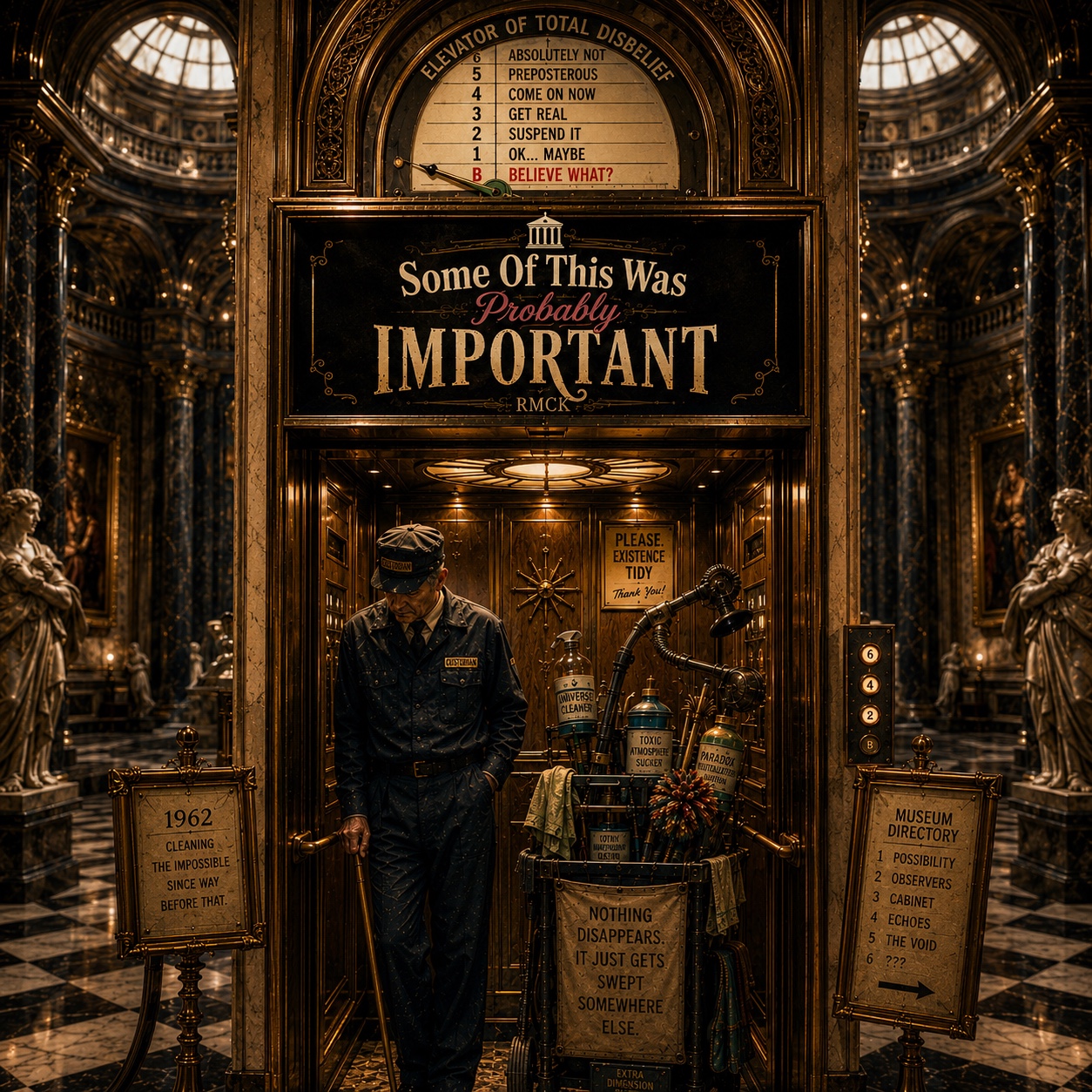
 3:15RMCK Eccentric 1960s Lounge And Elevator-pop. Breezy, Immaculate And Strangely Catchy: Brushed Drums, Upright Bass
 3:28Elegant Elevator Music / Easy Listening, Instrumental Only. Soft Rhodes Piano, Clean Jazz Guitar
 4:05The Music Fades Into Cheerful Corporate Elevator Music. A Robotic Voice Speaks Sings The Lyrics And Raps Sarcastically Snd Dissing.
 4:35Cheerfully Absurd Retro Corporate-training Funk/elevator-jazz Comedy With Theatrical Female Soprano Lead. Sound Like A Relentlessly Upbeat 1970s Instructional Film: Electric Piano, Muted Brass, Funky Bass
 4:44Dub Techno × Showa Elevator Music, Slow Horizontal Groove, 128 Bpm. Deep Dub Techno Chords With Long Tape Delay And Spacious Reverb. Minimal Kick And Soft Percussion With A Gentle Sideways Swing Rather Than A Driving Club Rhythm. Inspired By Japanese Department Store Lobby Music
 3:42Cheeky Lounge/elevator Music Turned Ultra-polished With Brushed Jazz Drums, Clean Electric Piano, Upright Bass





The floor call should shape the elevator cue
The opening should stay quieter than an announcement. Use a low electric-piano tone, a brushed tick or a soft marimba-like note, and keep the pace restrained. Keep the first phrase short so the floor call remains distinct. Let a rounded bass figure give the cue a steady center as it moves in small steps, without announcing a destination.
The change belongs in the middle, where one new sound can refresh the cue. Bring in a higher chord tone, let a muted pluck answer the bass or leave a little more space around the pulse. One clear change is easier to follow than a chain of decorative fills. Near the close, remove the brightest part before the final cadence. A brief decay or a held low note leaves room for the arrival bell and the next spoken instruction. The cue can have a clear sense of pace and space without a fixed length.
One fanfare at every floor makes the elevator feel stuck
The common misstep is treating each floor call as a major event. Brass-like stabs, bright upper notes and a bass that lands too hard make a small arrival feel too big. The effect can feel tiring even at a modest level because long tails tend to blur the next word and constant accents can leave little quiet space for the ear. For an elevator cue, keep the pulse continuous and reserve changes for a few chosen moments.
Choose one musical center and let the other details support it. Keep the bass rounded, shorten the bright note and reserve the cleanest attack for one middle change. Use a dry click to keep the pulse moving after a layer drops out. Use a suspended chord to add warmth without introducing a second melody. If speech is coming, thin the upper register before lowering the whole arrangement. The result should keep a small rise in energy and leave the floor information clear. Keep the restraint, short decay and single accent within the same cue.
A held chord leaves the arrival bell clear
That one clean middle accent should be followed by a softer ending. Let the close leave a narrow space for the arrival bell, with a low held note, a dry chord release or a short tail that stops before the next floor call. The final sound should feel settled without fixing the cue to a set duration. A little space at the end helps the elevator cue settle without a grand finale.
To keep that ending believable, do not use every bright sound in the middle. Let the pulse continue in a restrained register, then let the opening establish the chord family and pace. Use a muted keyboard, light mallet tone or rounded synth to set the sound before the cue reaches its single rise. If the close changes from a held note to a short release, the middle needs less sustained harmony. The opening then benefits from a shorter phrase that gives the release more space. With Suno, start with the ending, then describe the space in the middle and the quiet register before the first floor call.
Frequently asked questions
- Do short phrases help keep a floor announcement clear over elevator music?
- Short musical phrases leave more pauses around a spoken floor call, especially when the upper register stays quiet. Keep the bass moving in small steps and trim long reverberant tails from the brighter parts. A modest pulse can preserve motion, but the speaker, cabin acoustics and edit still decide how much density works. Treat speech as a musical boundary, then place the strongest accent well away from the words that carry the floor information.
- Does a single mallet figure keep an elevator cue moving without stealing focus?
- A single mallet figure gives the ear a small marker without filling every gap. Keep its attack soft, shorten its tail around the floor call and let the bass carry most of the continuity. If the figure repeats too often, shorten it or move one note rather than adding a second lead. That choice suits a cue that needs a little lift and a clean upper register, especially around doors opening or closing.
- Where should the energy rise before an elevator reaches its stop?
- Place the clearest rise in the middle, after the opening has established its register and before the ending begins to thin. A higher chord tone, a brief rhythmic lift or a warmer bass note can move the cue forward without requiring a climax. After that moment, remove one bright layer and shorten the tail. The close leaves room for the next floor call, so the ride continues.