Kids Music
A short chant catches the group, a hand drum keeps the feet moving and a clean pause leaves room for the next instruction. A group should be able to catch the phrase, join the action and hear the signal to stop. The music should reflect the movement, the energy and the cue that should be clear. Music made with Suno brings those elements together. For children's play, the song has to carry the game without swallowing the instructions.
Showing 18 of 18


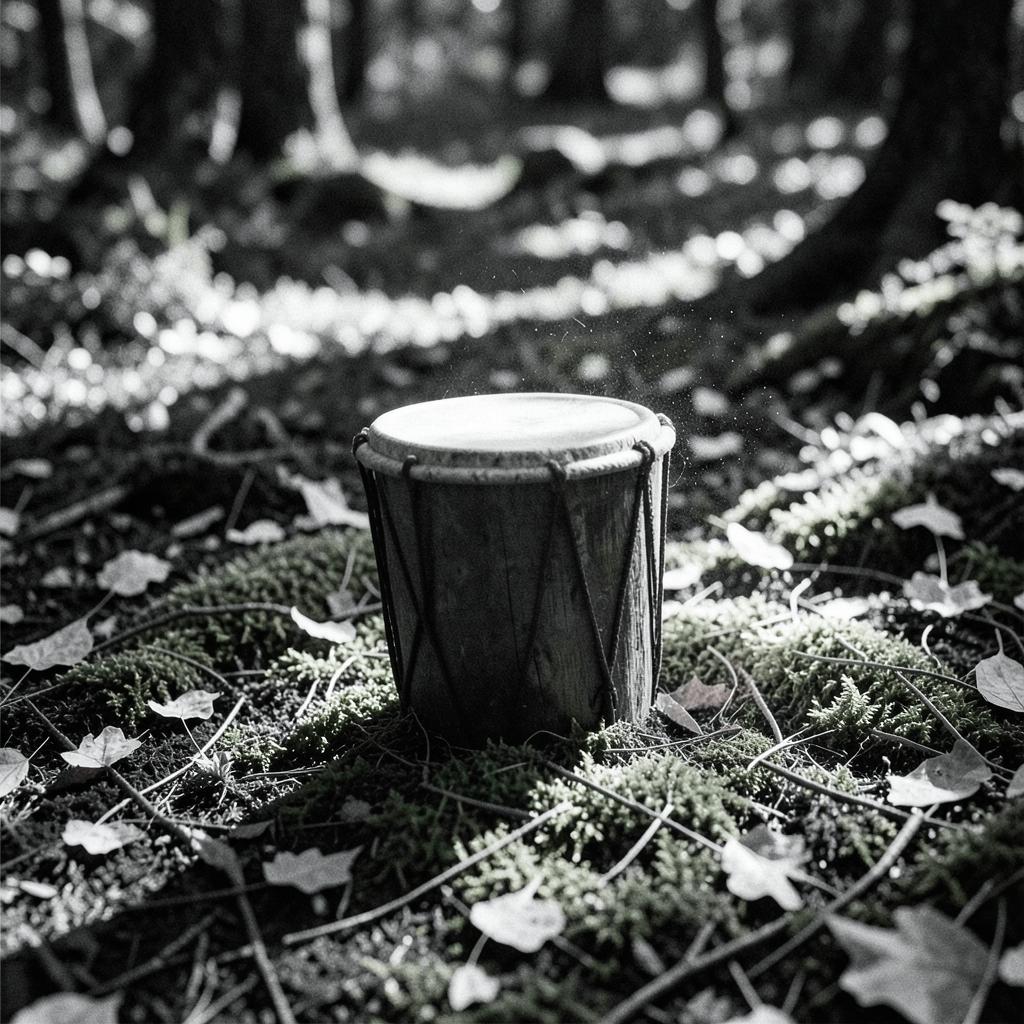

Play-party lift in kids music
A play-party style often brings the refrain back quickly, with a tune that stays easy to sing as bodies change direction. This form of American folk music grew around social play rather than concert performance, so its musical shape often favors compact verses, repeated responses and a pulse that can hold up in a busy room. A maker can use a fiddle-like melody, banjo-style picking or hand percussion to suggest the sound. The key detail is the exchange between a lead phrase and the group's answer. Keep the words short enough for a child to catch before the next move.
That exchange helps when someone needs to speak over the music. Leave a short gap after the refrain, thin the accompaniment under a spoken direction and bring the main pattern back once the group has acted. A bright plucked part marks the entrance clearly; a low drum or stomp-like accent can mark the return without weighing down the arrangement. If the activity needs several rounds, vary the answer by one or two beats while keeping the invitation to join familiar. Repetition offers late joiners a way back into the game and keeps it lively without crowding the person leading it.
Keeping kids music in step
The movement tells you more than a tempo label. Skipping works with a buoyant, even pulse; swaying needs more space between accents; a freeze needs the beat to stay clear after the sound pulls back. Keep the pulse recognizable as the texture changes, because a group should know where to move or stop before it hears the next cue. A short pickup starts the movement, and a held note marks the stillness.
Use phrases that match the movement. A marching pattern gives each step a clear beat; a bouncing refrain keeps the movement light and a slower rocking figure leaves room for a hand motion or spoken direction. The music can gain energy from active percussion, a rising melody or a fuller response. Thin the arrangement when the group regroups while keeping the song moving. If the activity loops, bring back the recognizable phrase before the group loses its place. A clean stop suits a freeze. A soft repeated tag lets a follow-the-leader round continue into another pass.
A movement call meets a hand-drum reply
The compact refrain and buoyant pulse of a play-party lift establish the song's basic shape. A movement call can enter with a short phrase that names a move or invites a reply. Keep a hand drum light and even beneath it so the syllables stay in front. When the call pauses, let the drum answer with a clipped figure. Open the texture before the refrain returns. That order creates a group exchange, and each part leaves room for the next move.
Build the sequence in Suno around that order. The call comes first, the drum replies, the pulse supports the movement and the pause leaves room for a spoken cue. For the final pass, reverse the order and let the hand drum close after the call ends. Give it one short tag, then thin the arrangement so the movement can finish. This switch changes who finishes the phrase without speeding up the whole track. Keep the drum spare under the call, then use its closing figure to mark the cue.
Frequently asked questions
- Do children need constant musical change to stay engaged?
- Constant change can make a movement song harder to follow. Children often need a phrase to return before a new cue feels meaningful, especially when they are clapping, stepping or waiting for a turn. Keep the main pattern clear, then add interest through a different accent, a shorter answer or a brief lift in the accompaniment. Repetition can give the group a common point of return. The arrangement stays lively when each change supports the movement.
- At what point should a children's movement song make space for the next instruction?
- Give the first cue enough room to register before the arrangement grows busier. A repeated phrase can guide the group through the active middle, then a brief thinning of drums or melody creates a clear place for the next instruction. Bring the pulse back once the direction is clear. Near the end, a held note, short tag or clean stop helps the movement finish together. The exact turn depends on the activity, so place the cue within the musical shape rather than at a fixed moment.
- What does a hand drum add beneath a children's group chant?
- A hand drum gives the chant a steady pulse without filling every gap. A dry, even pattern supports stepping and clapping; a small change in the answer marks a turn or a stop. Keep its attack distinct from the main phrase and thin it beneath spoken directions. Use it to mark the pulse while keeping the words in front. A short closing figure also gives the group a cue to finish together.