Cartoon Music
When a character's foot skids past the mark, the cue has to bounce, duck or leave the face alone at the right moment. Cartoon music depends on that split second. A clipped run propels the setup, and a sudden hush frames the reaction. Tracks made with Suno can follow that timing. Build around the motion, the pause and the crooked landing, and keep the final accent small enough to let the joke breathe.
Showing 18 of 18
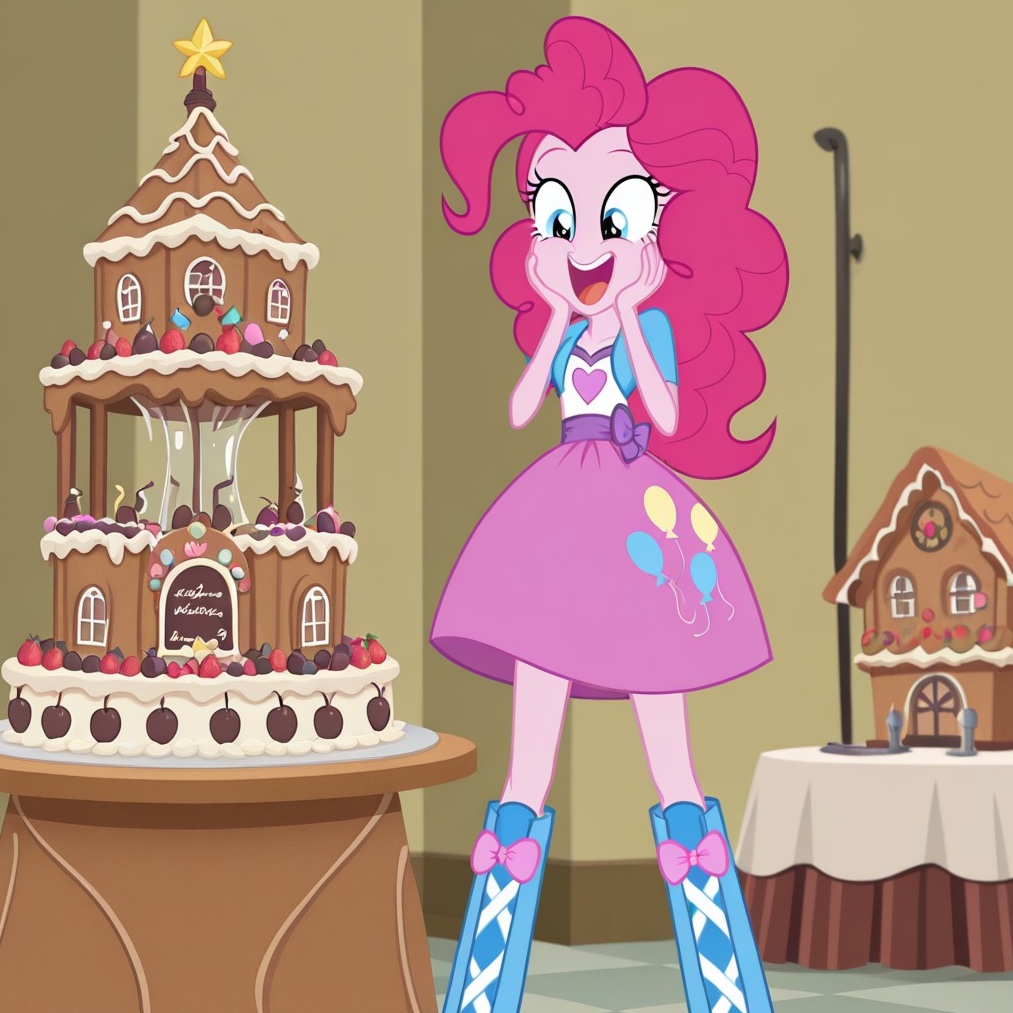
 1:55Pinkie Pie Sings About One Of Equestria's Magical & Heart Melting Places For Anyone Who Has Big Sweet Tooth Like Her. Cartoon







Thick chatter, then one exposed note
A crowded cue gives a fast gag room to unfold. Short pizzicato notes, dry woodblock taps and a low wobble can make feet, props and sudden turns read as separate events. Keep that activity in a narrow range when a line or a sharp look needs to stay clear. A louder swell suits a rush toward trouble, especially if the accent arrives just after the physical mistake.
Then thin the arrangement until one gesture stands out. A held tone, a single low note or a bell-like attack can hold a frozen pose and leave a blink exposed. Quiet can shape the reaction. A soft downward slide can make a character sound less confident, while a gap after the busy passage gives the audience time to catch the fall. Reserve the dense texture for pursuit, piling props or a panicked exit. Let the bare texture support the stare that follows. Keep one recognizable color in both textures, and place the gaps deliberately.
Cartoon music under a prop that will not stay put
Choose for the prop's weight more than its speed. A dry woodblock click keeps a movement clear, so it suits a wary tiptoe, a handle that slips or a quick direction change. A marimba bounce rounds the same action and makes the landing lighter. Pizzicato separates the motion into distinct points, useful when feet need to stay legible under speech. A low bassoon reply makes a body that is about to overcommit feel heavier. Choose the attack that tells the ear where the joke begins, then let the other color arrive when the prop or posture changes.
When the feet drive the joke, keep the figure short and let each note separate the steps. For a prop that holds attention, sustain the accompaniment through its pause and put the strongest accent on the change in posture. A chromatic dip can make a confident entrance sound unsteady. A clipped answer can make the recovery feel tentative. Keep the accompaniment light near speech, then let the low sound fill out after the line. Let the accent land after the physical change, so the movement stays clear before the decoration arrives.
The low wobble meets a late boing
The low wobble and open space give the cue its shape. Picture a character entering with too much confidence. Use clipped pizzicato steps and a rounded low reply, with enough space for the first spoken line to pass cleanly. As the feet gather speed, add dry woodblock taps one at a time and let the upper figure climb only when the trouble grows. Keep the texture lean around a glance or a prop held in midair, leaving the beat exposed.
At the break, cut the pulse for a short breath. Put the boing after that gap, then return with a crooked low answer that changes the contour. With Suno, shape the cue from clipped steps to a held gap, a late boing and a small falling tag. End with one dry accent and a soft tail that clears the next line. Keep the final sound smaller than the setup, so the face or gesture carries the beat after the impact.
Frequently asked questions
- When a cartoon cue fills up, where does the reaction get its space?
- Keep the cue in a narrow range as the action approaches its payoff. Short notes in a limited register keep motion alive without crowding the important gesture. Hold back the broadest accent until the physical reaction arrives, then let one dry hit or low wobble answer it. If a spoken line sits in the same beat, keep the accompaniment light around its key words. Give the pause a length set by the delivery and the cut, so the reaction has somewhere to register.
- What changes when the boing lands after the gap?
- Landing the boing after the gap turns the sound into a reply. During the rush, the ear follows the feet and the rising texture. A short silence redirects attention to the suspended gesture, then the boing confirms the fall or the surprised look. Put it inside the chase and it behaves like another step. Place it after the break when the impact needs a separate outline. Keep the following accent small enough for the reaction to remain readable.
- After the pratfall, where does the musical energy go?
- Let the ending grow lighter in stages. After the pratfall, shorten the figure, drop the low reply or leave a single crooked note that arrives a touch late. A small tail preserves the character's wobble. A fresh swell pulls attention back toward the chase, so keep the final gesture clear of the next spoken beat. End with a clear gesture so the cut is ready for whatever follows.