Meditation Music
At the start of a guided sit, a low tone leaves space for the instructor's next sentence and the listener's next inhale. For this use, meditation music should have a gentle pulse, changes that are easy to anticipate and an ending that does not jolt the room. Tracks made with Suno can leave space for both the guidance and the breath. Use a late, soft entrance with a sparse drone or a warmer layered bed.
Showing 16 of 16
 5:03Traditional Indian Aum Meditation Rooted In Classical And Devotional Sound. Begin With A Deep Continuous Tanpura Drone And A Single Natural Male Baritone Sustaining A Long A-U-M, Unhurried And Resonant. Gradually Introduce A Small Mixed Group Of Male And Female Voices, Each Entering At Different Moments To Create Warm Overlapping Harmonics. Sparse Bansuri Phrases
 10:10Sound Healing Meditation, No Beat, No Rhythm


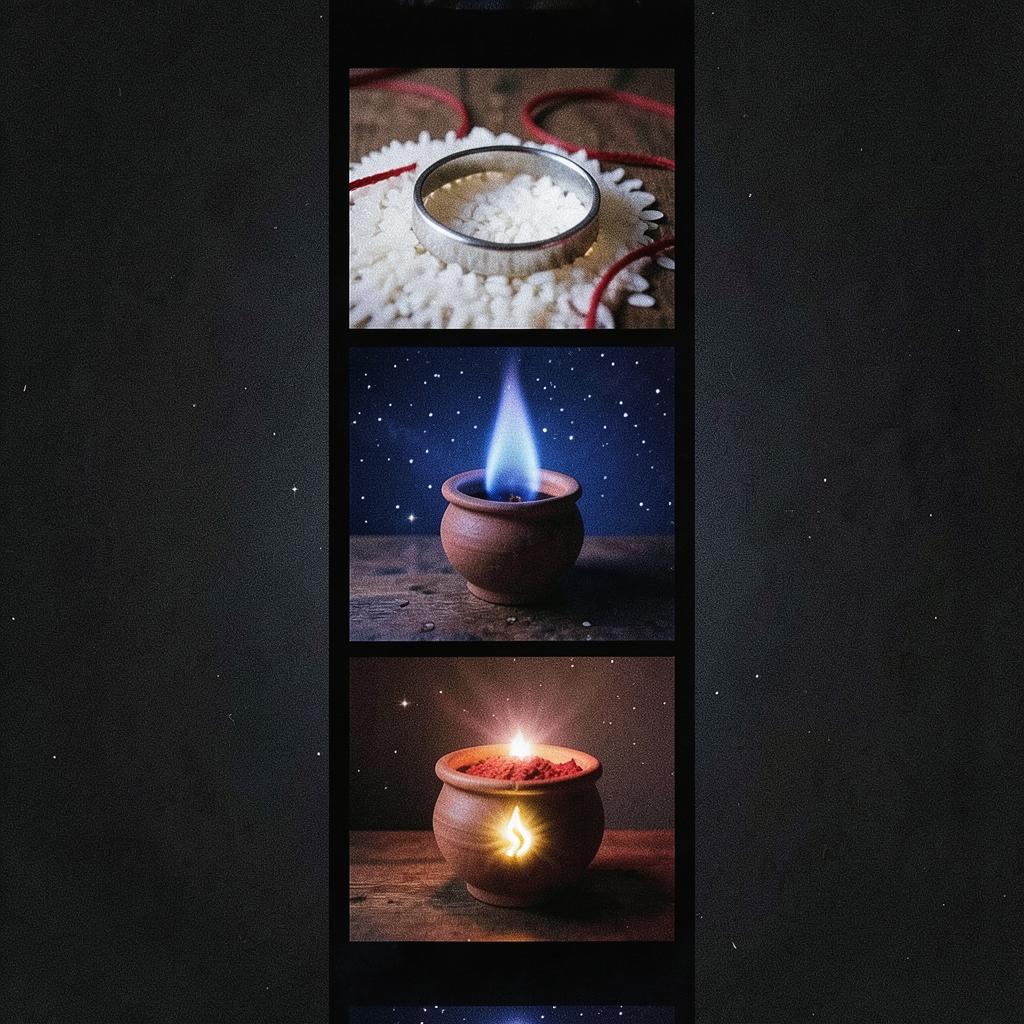













Meditation music must leave room for the breath
A bare arrangement keeps the breath prominent in the mix. One sustained tone, an open interval or a soft bowl resonance can give the listener a steady reference, while long gaps keep the next inhale clear. That sparseness suits breath counting and spoken guidance. Leave enough time between entrances for a phrase to finish before another detail enters.
A denser bed serves a different moment. Layered pads, low strings, muted percussion or a slow piano figure can make a room feel less exposed, especially when the practice needs warmth. Keep the pulse broad and the highest layer restrained. Loudness matters as much as density. A swell can signal a transition, yet it should leave consonants clear and keep the breath from competing with the cue. Choose a quiet bed beneath spoken guidance or a wider texture for unguided sitting. The arrangement works when the listener can follow the next breath.
A low center keeps the pace unhurried
Open with a sound that leaves space for what follows. A low held note, a soft interval or a breath-length chord can give the track a center before any brighter detail appears. Give the first entrance enough decay to settle before the next sound. For guided practice, that restraint leaves speech at the front and lets each instruction finish clearly. A held sound can span the interval while the spoken phrase finishes, keeping the transition clear.
Let movement build gradually. Add one change at a time, perhaps a warmer register, a wider pad, a faint pulse or a bell-like accent with generous space around it. Keep a familiar tone underneath so the room stays settled. Near the close, reduce movement first, then reduce the sound. Let the pulse loosen, the upper layer recede and the opening tone return in a lower or thinner form. A final resonance often marks the close gently, especially when the next moment is silence or another spoken cue.
Shape the ending before the first note
A long tail after a bell-like accent lets the sound fade into the final silence. Use Suno to build the ending around one soft resonance, a thinning upper register and a close without a late swell. The middle should support that ending. Keep its richest layer below the last accent, leave gaps after transitions and let any pulse lose definition before the closing tone. Start with a held note or open interval at a level that leaves the first instruction easy to hear.
Change the ending to a returning low tone and the earlier choices shift. The middle needs a trace of that tone sooner, perhaps under a warmer pad, so the return feels connected. The opening can establish the same color with less brightness and a longer first decay. A singing bowl remains one option among many for that final resonance. Its ring needs room around it, especially when the track closes into silence.
Frequently asked questions
- Will more layers keep a meditation cue from feeling empty?
- More layers alone do not make a meditation cue more supportive. Density adds information, so each pad, pulse or upper note gives the ear another sound to follow. A fuller bed often suits a practice that needs warmth. For breath counting or spoken guidance, a leaner texture keeps consonants and pauses easy to follow. For calm attention, keep entrances slow, the loudest moments modest and the upper register restrained.
- Where should the first change fall in a guided meditation cue?
- Give the opening enough time to become familiar before adding a new layer. The right moment depends on the track's length, the pace of the breathing exercise and the amount of spoken guidance. A gradual cue might introduce one warmer tone after the first phrase, then thin the upper texture before the close. The final change should reduce activity, with fewer arrivals and a decay beside the next breath.
- Why does a low drone work beneath spoken meditation guidance?
- A low drone often supplies a steady center, so the listener can place small changes above it. That continuity suits breath counting or spoken guidance when the drone stays soft and avoids a strong rhythmic push. Choose the drone's register and how its volume changes, then leave space around it in the arrangement. A fading tone at the end often gives the ear a related sound to follow into silence.