Wedding Videography Music
Under a recorded vow, the room seems to hold its breath. Later, shoes on stone, clinking glasses and applause pull the film into motion. Wedding videography music must leave speech legible, give a highlight passage room to rise and let the final image settle. At the vow cut, listen for clear consonants. At the reception turn, listen for a pulse that arrives with the picture. A maker can use Suno to set the voice distance, rhythmic weight and closing shape that the edit needs.
Showing 19 of 19
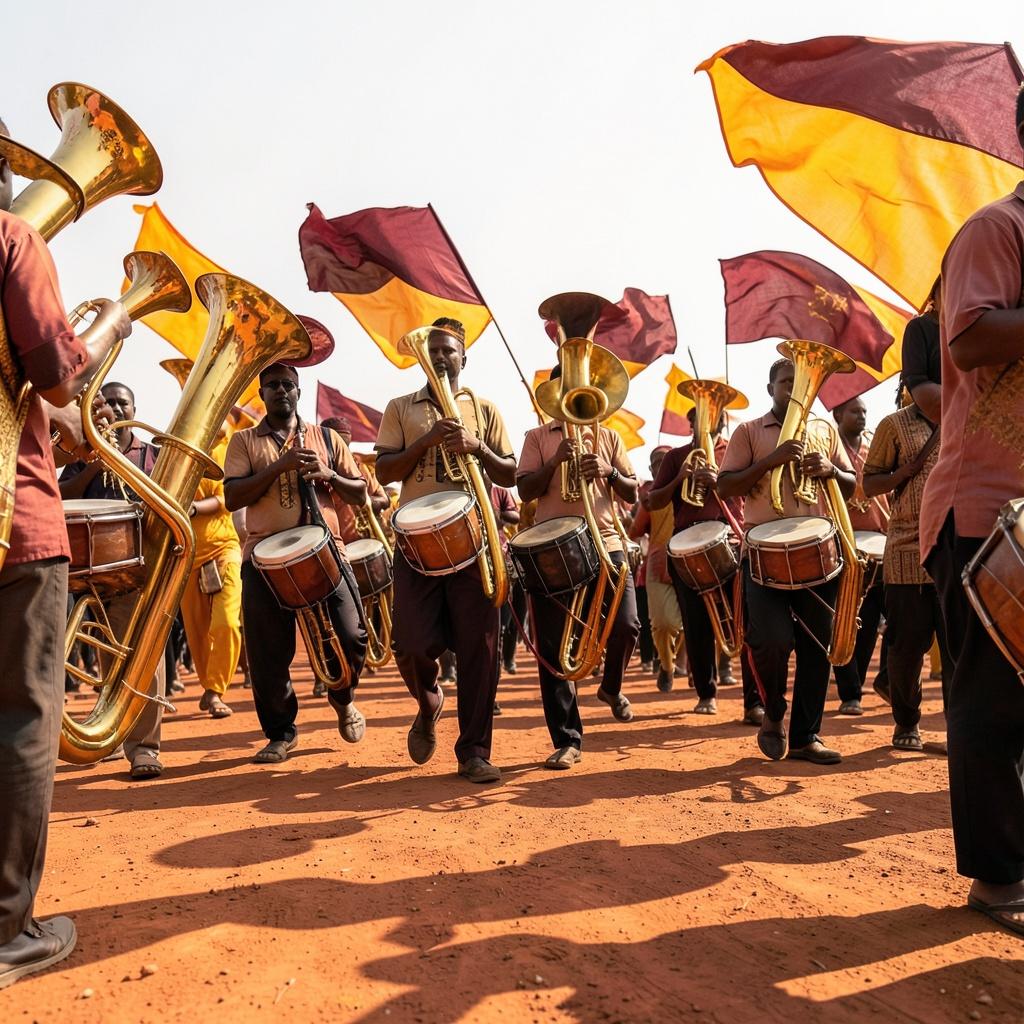
 4:45Create An Instrumental Indian Wedding Procession (Band Baaja) Background Track Inspired By A Traditional North Indian Village Baraat, But Produced With Modern Cinematic Quality And Professional Studio Mixing. Mood: Joyful, Energetic
 5:48Voice Female. Traditional Chinese-inspired Tragic Wedding Song With A Fast, Energetic Rhythm And A Strong Emotional Contrast Between Joyful Celebration And Profound Despair. The Song Should NOT Be Slow. Tempo Around 115–130 BPM. It Should Feel Like A Traditional Wedding Procession Constantly Moving Forward, Almost Impossible To Stop. Use Traditional Chinese-inspired Instrumentation: Erhu
 4:15[Style] Emotional Uplifting Pop With Cinematic Orchestral Lift For Wedding Highlight Moments. 96 BPM. Warm Major With Bittersweet Minor Shades. Pop Foundation With Classy Harmonic Motion: Chords Change Every Bar, Smooth Voice-leading, Jazzy Colors (maj7 Add9 11 13
 3:13Uplifting Cinematic Progressive House Wedding Anthem At Festival Scale. Begin With Warm Legato Strings, Soft Piano Chords, And Spacious Orchestral Swells; Build Into Accelerating Snare Rolls
 3:01A Deeply Emotional Punjabi Wedding Love Song About Two Souls Becoming One During Their Wedding Ceremony. The Song Should Feel Grand Yet Intimate, Filled With Dhol Rhythms, Soft Tabla
 4:03Modern Wedding Film Soundtrack With Vocals. Very Editor-friendly Arrangement. Include 3 Long Instrumental Sections Of 15–20 Seconds Each Between Song Sections. Instrumental Breaks Should Feature Emotional Piano, Violin, Acoustic Guitar And Cinematic Strings With No Vocals
 6:51Cinematic Mandarin Wedding Pop, Modern Romantic Wedding Movie Soundtrack, Warm Male And Female Duet. Start With Intimate Grand Piano And Ambient Pads
 5:22Emotional, Grand, Dreamy Slow Build → Powerful Chorus Perfect For Wedding Video / Proposal / Stage Performance 🎤 Singing Style: Soft Breathy Start Female Slightly Higher Harmony In Chorus Final Chorus Full Power Duet 🎹 Instruments: Soft Piano (Intro) Sarangi (emotional Touch) Light Madal (after 1st Chorus) Strings (Violin Section For Cinematic Feel) Soft Pad & Ambient Background Big Drum Hit In Final Chorus
 3:39Emotional Cinematic Wedding Instrumental, No Vocals, No Lyrics. Beautiful Piano Melody
 3:04Soft-focus Chamber Pop Ballad Led By Intimate Piano And Warm Female Vocals; Brushed Percussion And Delicate Strings Bloom Gradually Then Settle Back In. Verses Glide With Spacious Phrasing, Chorus Lifts With Close Vocal Doubles And Subtle Swells, All In A Gentle Arc That Stays Controlled And Elegant For Cinematic Wedding Visuals.
 3:16Elegant Wedding-film Score With Deceptively Simple Piano Arpeggios, Fingerpicked Nylon Guitar, And Sustained String Ensemble Layered Over Soft Felt Piano. Gradual Brass And Choir Accents
 4:20Cinematic Emotional Trailer Music For An After‑wedding Film In Paris. Begins Soft And Intimate With Gentle Piano And Warm Atmospheric Pads. Slowly Builds With Strings And Subtle Percussion. Midway, The Energy Rises With Powerful Orchestral Layers, Deeper Drums
 5:47Tearful Cinematic Wedding Ballad At 78 BPM, Opening With Intimate Piano And Fingerpicked Acoustic Guitar Beneath A Weathered, Vulnerable Male Vocal. String Quartet Slowly Blooms Through Each Verse
 5:17Emotional Cinematic Wedding Ballad, Beautiful Church Chapel Atmosphere, Soft Realistic Church Bells At The Very Beginning
 4:00Make A Very Comfortable Instrument, For The Backsound Of A Wedding Video With Saxophone Accompaniment
 2:57High-energy Balkan Party Tango Elevator Music With Virtuosic Piano Lead. Fast Tempo (140–160 BPM), Dramatic Tango Rhythms With Balkan Brass Accents, Syncopated Percussion






Singing changes a wedding film's distance
Vocal presence changes how close the music feels to the picture. Keep a low solo voice under a private vow, with consonants and breaths left unhurried. For family footage, move toward a small group and let the arrangement widen around the faces. A higher register suits sunlight, fabric and movement. Give the voice a clear opening in the edit so faces keep the focus. Remove the sung line when a toast or reading carries the emotional detail. A sparse instrumental bed holds the pulse beneath the spoken voice.
The lyric's language changes who feels addressed. If lyrics carry family memory, write the lines in the language that fits the people on screen and set the singer's distance, register and phrasing. The words need room to land, especially when the cut shows a reaction and keeps the singer off screen. A plain delivery during a vow leaves room for a fuller refrain after the sentence ends. A recurring vowel or held choral tone can connect separate shots without calling attention to itself.
Treat each vocal entrance as part of the edit. Place a solo after a pause, bring the group in with the first burst of dancing or reserve silence for a hand squeeze, a laugh or a glance. Sung and unsung passages shift the viewer's attention, so set the voice against the picture's most important detail.
Wedding videography music beneath spoken audio
Speech sets the arrangement before the picture moves. Under vows, readings and toasts, keep the low end modest, attacks soft and harmony uncluttered enough for consonants to stay present. A held piano tone or repeated string figure leaves space around a sentence. Save denser rhythm for gaps after a phrase, when room sound returns. The speaker sets the priority; music supports the breath between lines.
A ceremony-to-reception cut needs something different. A long glide across the venue works with sustained phrases and slow harmonic turns, while quick details of hands, shoes and table lights benefit from a tighter pulse. Place a lift before a reveal and leave the reveal open. Let a motif reappear at a cut with a clean entrance and open tail, especially when a highlight jumps from ceremony to reception. In a crowded dance-floor passage, percussion should leave space for cheers, claps and laughter. The passage feels more spacious with part of the room still audible.
Listen to the music where attention changes, including its quieter transitions. During a toast over a moving montage, use a restrained bed and thin it briefly before the spoken line. As the film turns toward dancing, let the rhythm gain weight. Wedding-film work shares edit discipline with cut-focused video editing, yet vows, reactions and room sound keep this job tied to the people in the frame.
The final frame guides the opening pulse
The space after a vow and around a toast should remain as the film reaches its final frame. Give the close a clear purpose. For a couple leaving the frame, try a held chord. After the final spoken line, a soft return of the refrain leaves a little air; through the closing images, a light rhythmic release keeps the film moving. Set the ending's weight and length with room for variation. Let the image have its final beat as the music settles.
Work toward that close through the middle. Hold back the fullest harmony, the widest register or the busiest percussion until the film reaches its lift. The center carries movement through a picked pattern or measured pulse, then thins the texture before the final passage. The opening establishes the thread that makes a return matter. Use a modest motif, a narrow vocal range or a few clean attacks, leaving room for the wedding film to grow.
Replace the fade with a firm final chord. The earlier passages then need a clearer peak, a motif sturdy enough to return and a final breath before the chord lands. Use Suno to set the ending, the restraint in the middle and the opening detail that earns the return. Keep the spoken memory clear beneath the closing chord.
Frequently asked questions
- What keeps a wedding vow audible over a music bed?
- Give the spoken line the narrowest, calmest part of the arrangement. Keep attacks soft, avoid a crowded low register and let harmony change slowly beneath vows, readings or toasts. A pause after a sentence is a useful place for a small rise, especially when the picture cuts to a reaction. The right amount depends on the speaker, room sound and edit pace. Set those priorities while shaping the music, keeping it behind every beat.
- Should a repeating figure return at every cut in a wedding highlight?
- A recurring figure works as a thread when it recedes under speech and returns with a little more weight as the reception begins. Its rhythm should stay recognizable without overpowering footsteps or cheers or pulling attention from a change in facial expression. A clean entrance and an open tail help the editor place it around a cut. If every transition gets the same accent, the highlight loses its sense of surprise.
- When should a wedding film's music reach its fullest lift?
- Reserve the fullest lift for the point where the picture has moved from private attention into shared celebration, often after vows or the first turn toward the reception. Earlier passages have more effect when they leave room for the lift to come. Let the film gather through walking, embraces and quick details, then open the rhythm as people dance and the frame grows busier. Near the close, reduce activity or settle into held harmony so the final image has enough space to register.