Restaurant Music
Between a server's call and the clink of a glass, restaurant music needs to reach the whole room without demanding attention. At the busiest stretch of service, tracks made with Suno can keep speech clear while rounded bass, open midrange and a walking pulse keep service moving. Keep the arrangement suited to service, with gentle peaks, an open upper register and enough movement to stop a long meal from feeling static. The music should support the room's rhythm and keep attention on speech and service.
Showing 14 of 14
 2:301960~70년대 유럽풍 레스토랑 음악 + 살짝 촌스러운 한국 옛날 경양식집 + 이탈리안 아코디언 + 재즈 스윙 정도로 잡으면 딱이야. 후렴의 **“알! 리! 오! 올리오~ / 봉! 골! 레! 봉골레~”**만 묘하게 중독적으로 만들자.


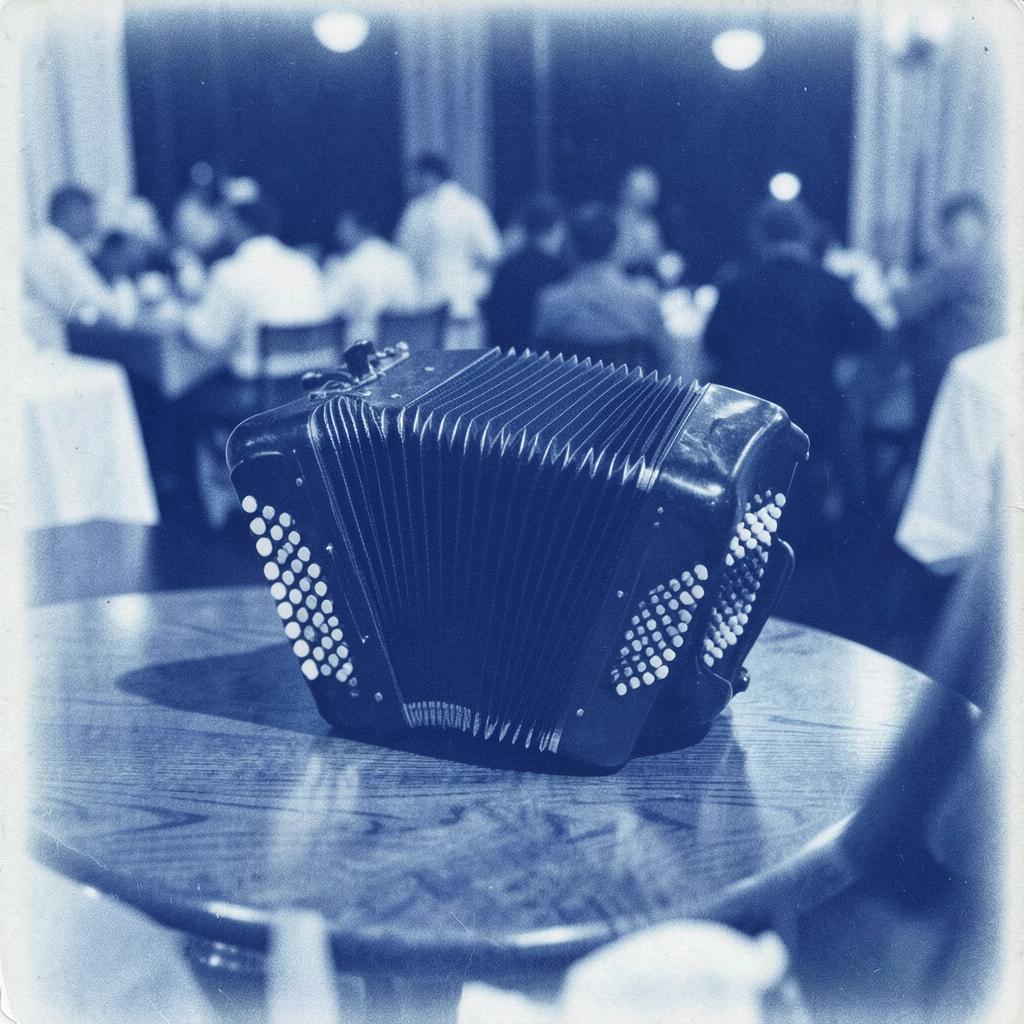

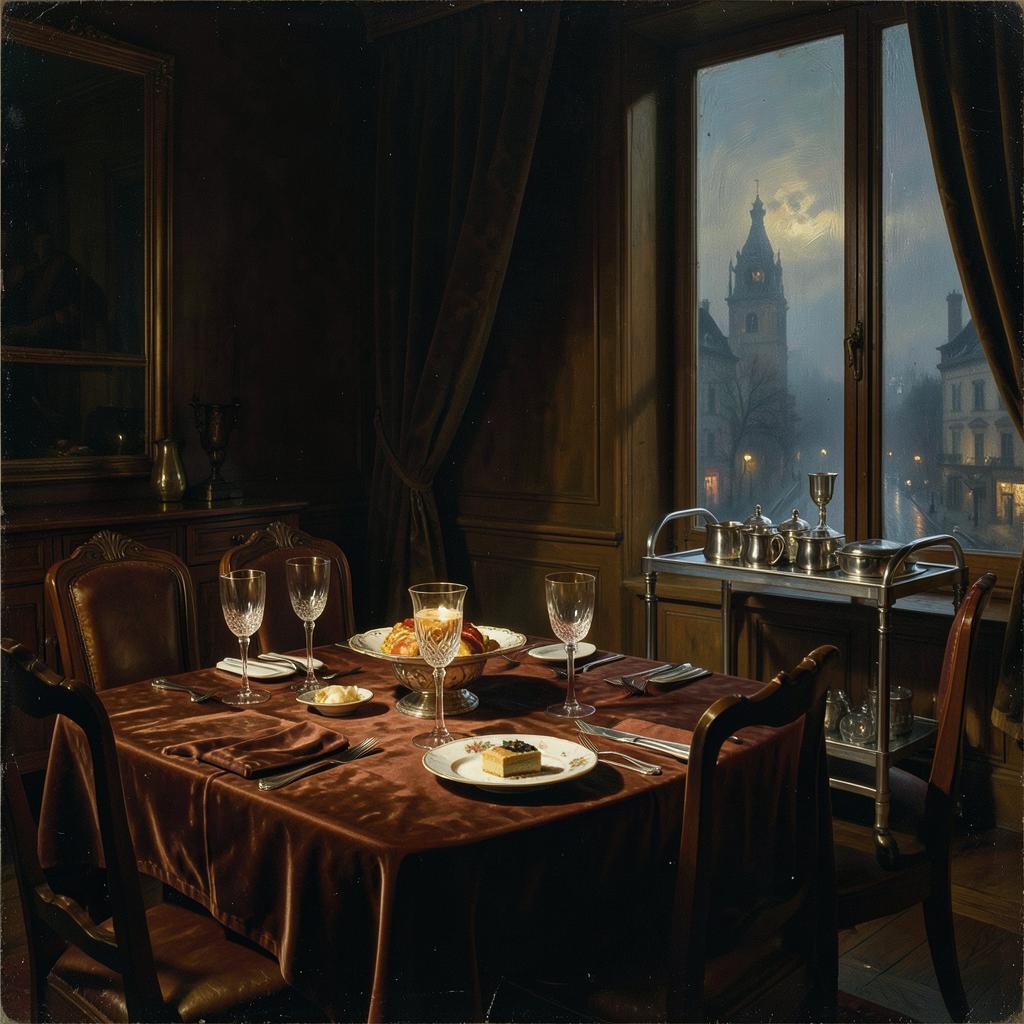




Rounded bass leaves room for talk
In a dining room, the low end should do more than add weight. A warm electric bass with a soft attack can play a short repeating figure without nagging and leave enough space above it for table talk. Let it appear under the first bars, stay recognizable as the harmony changes and return beneath the final phrase. That continuity gives the track a steady base without making every moment demand attention.
Build the arrangement around that bass. Start with bass, a light chord bed and restrained percussion. Let a muted guitar answer after the room settles, or use a low organ tone to thicken the center without filling every gap. When the track reaches its fullest passage, add harmonic warmth and keep new parts sparse. For the close, let the answer drop out and the bass soften as the track ends. The bass should support the room's talk without becoming the focus.
The pulse shapes how a dining room feels
People feel a dining room's pulse before they name its tempo. A walking pulse feels different from a shuffle. The first keeps a steady stride while the second loosens the shoulders and gives each beat a little sway. A gliding groove sits lower. A buoyant pulse raises the room's energy without demanding a louder arrangement. Use the physical feel to set the pace instead of fixing the tempo to a number, then match that feel with a density that fits the room.
Service changes over the course of a meal. A patient opening suits the first arrivals and the quiet work of settling in. As more tables fill, the pulse can lift through firmer accents or a busier hand percussion pattern. Keep the main groove steady during the longest stretch, when repetition becomes useful and a sudden peak could pull focus from a meal. Near the close, ease the beat and thin the layers so the music can end gently.
A delayed accent or a lighter kick can change how the pulse feels, especially when the bass leans into the next bar. These details add movement without pulling attention from a meal.
Open midrange leaves room for speech
The rounded bass and walking pulse set the arrangement's basic feel before descriptive words are added. A first attempt often piles up words such as warm, classy and lively while leaving the musical jobs undefined. The music needs a bass with a soft attack, a pulse with an easy stride, an open midrange and a clear point where energy gathers. Use Suno to keep those musical choices tied to speech, service and the space above the beat.
The arrangement can follow that arc. It can open with bass, light percussion and air around the beat. In the middle, a muted guitar reply or warmer chord color can enter as the room fills, while the pulse stays easy under speech. The fullest moment should stay modest. Change density through touch and spacing while keeping the parts light. The close reduces the upper layers and leaves the bass with a soft, unhurried release. The final bars should leave room above the groove.
Frequently asked questions
- How loud should restaurant music feel beside table talk?
- Keep the arrangement quiet enough for an order or a shared remark to stay easy to catch. Open midrange, restrained percussion and a rounded bass leave more attention for speech than a crowded upper register. The room itself matters, so treat this as a guide rather than a fixed rule. Keep space around the beat and gentle energy through the busiest stretch of service.
- Does bass-led restaurant music work with an open midrange?
- It can when the bass carries a simple repeating figure and the upper parts leave clear air around it. A soft attack keeps the low end from calling attention to every entrance. Pair it with a light chord bed, restrained percussion or a brief muted guitar reply. The arrangement stays connected through the bass, while the open middle leaves room for table talk and the small sounds of service.
- What should restaurant music do as dinner service gets busier?
- Let the opening feel patient, then add a little forward motion as tables fill. A firmer accent, denser hand percussion or warmer harmony can lift the middle without drawing attention to the speakers. Keep the longest stretch settled and ease the upper layers near closing. That progression gives the music direction while preserving attention for orders, greetings and the unhurried end of a meal.