Navratri Music
A dhol pickup can set the first step at a Navratri gathering, while a dry dandiya click can leave room for the next one. Music made with Suno lets listeners hear how a garba pulse can grow from that pause. Build the arrangement around the room, the drum's weight and the moment the sticks arrive. Keep the welcome spacious. Let the handclap brighten the next phrase and give the circle a beat it can follow together.
Showing 20 of 20
 3:16Telugu Celebratory Pop With Mid-tempo Dandiya Pulse And Handclap-driven Rhythm; Verse Rides Warm Acoustic Strums And Light Percussion, Pre-chorus Lifts With Tambura-like Drone And Rising Gang Vocals, Chorus Opens Wide With Stacked Lead Doubles And Crowd-style Responses. Add Bell Flourishes Between Lines
 6:01126 BPM Dandiya EDM Trance, Joyful Krishna Bhakti, Tabla Mridangam Dhol
 3:24High-energy Garba With Dhol-driven Grooves And Festival Percussion, Plus Modern Mix Effects And Electronic Processing. Dhol And Dholak Lock Into A Sharp 6/8 Pulse With Handclaps, Shehnai-style Synth Leads
 4:14Bengali Durga Puja DJ Love Anthem, High-energy Festival Dance-pop With Authentic Dhak Rhythms Layered Over Punchy Four-on-the-floor Drums, Bright Synth Leads
 3:50Music Style Energetic Devotional Navratri Garba, 128–132 BPM, Festive And Highly Danceable. Begin With Soft Temple Bells
 3:26Traditional Gujarati Village Garba With Warm Female Lead Vocals, Energetic Male Chorus And Joyful Community Singing. Medium Tempo Around 120 BPM With Authentic Live Navratri Atmosphere. Feature Dhol, Dholak
 3:35Modern Gujarati Navratri Garba, High-energy Traditional Folk, Powerful Dhol And Dholak
 7:07Style: 🔱🔥 Hindi Durga Puja DJ + Dance Bhakti Song — Energetic Female Lead Vocal + Powerful Male/female Chorus, DJ Bass + Traditional ढाक, ढोल
 6:18Create An Energetic, Traditional Gujarati Ras Garba / Dandiya Raas Devotional Song Dedicated To The Nine Divine Forms Of Goddess Navdurga. The Music MUST Remain Authentic Gujarati Garba Throughout The Entire Song From Beginning To End. Tempo Should Stay Between 132–138 BPM, With An Uplifting Circular Garba Groove Suitable For Navratri Dance. Sing Every Verse In Perfect Chronological Order From Shailputri
 4:18Festive Gujarati Garba And Dandiya Anthem With A Warm Cinematic Opening: Soft Shehnai, Bansuri, Manjira
 7:39Create An Energetic, Traditional Gujarati Ras Garba / Dandiya Raas Devotional Song Dedicated To The Nine Divine Forms Of Goddess Durga (Navdurga). The Music MUST Remain Authentic Gujarati Garba Throughout The Entire Song From Beginning To End. Tempo Should Stay Between 132–148 BPM, With An Uplifting Circular Garba Groove Suitable For Navratri Dance. Sing Every Verse In Perfect Chronological Order From Shailputri
 3:45Gujarati Garba, Disco Dandiya, Female Solo Vocal
 2:45Powerful Mahishasura Mardini Stotram, 90s Original Devotional, Fierce Female Classical Vocal Powerful Like Madhubanti
 3:05MUSIC STYLE / PROMPT Create A 2–3 Minute Original Energetic Bengali Durga Puja Festival Song. Use A Powerful Male Bengali Lead Singer, With Energetic And Emotional Vocals. Mix Traditional Bengali Durga Puja Instruments—dhak, Dhol
 4:30Authentic Traditional Gujarati Folk Garba, Vintage Gujarati Lokgeet Atmosphere, Joyful Romantic Village Folk Mood
 3:14Bengali Commercial Festival Anthem, Durga Puja Theme, Energetic DJ Beat
 3:42Garba, Dandiya Raas. The Arrangement Features A Prominent Dholak And Dhol Percussion Section Playing A Syncopated 6/8 Rhythm. A High-pitched, Bright Shehnai Or Flute Melody Provides Melodic Counterpoint. The Bassline Is A Simple
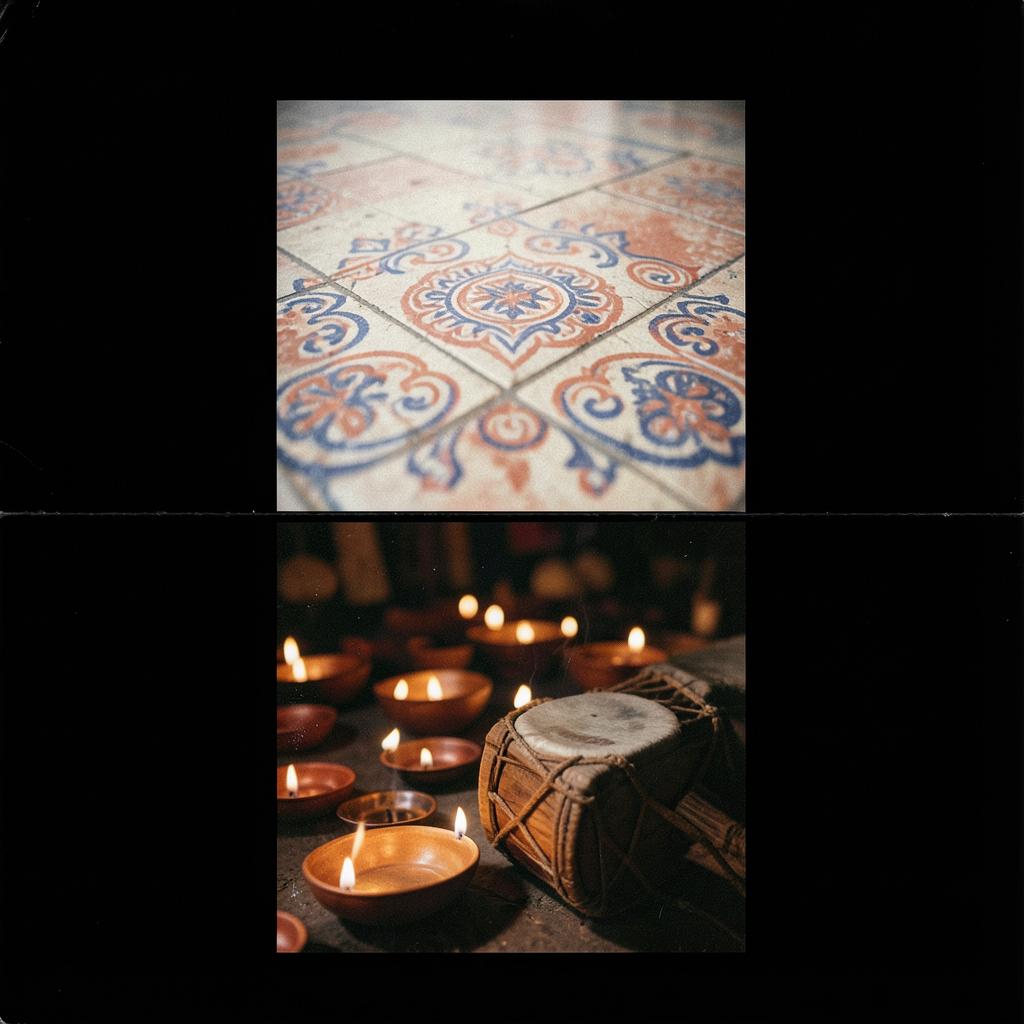
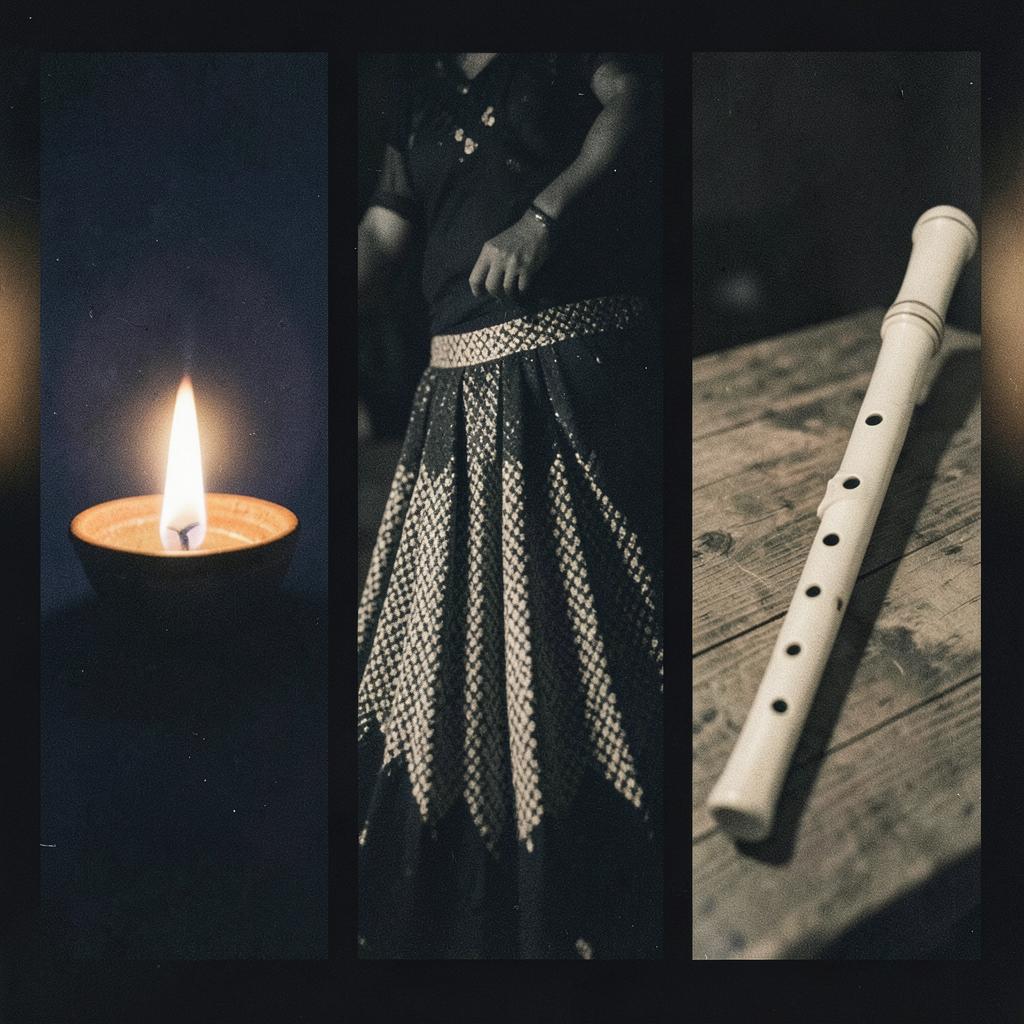
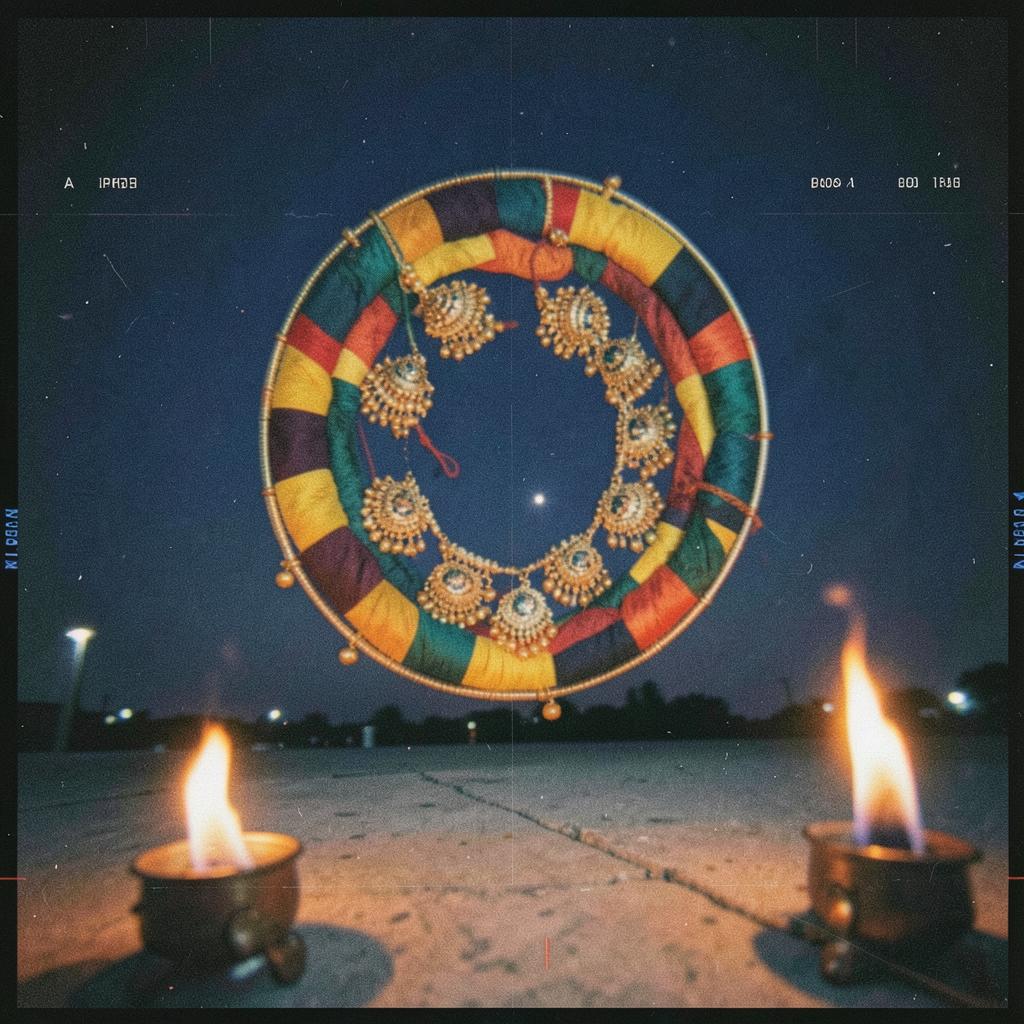
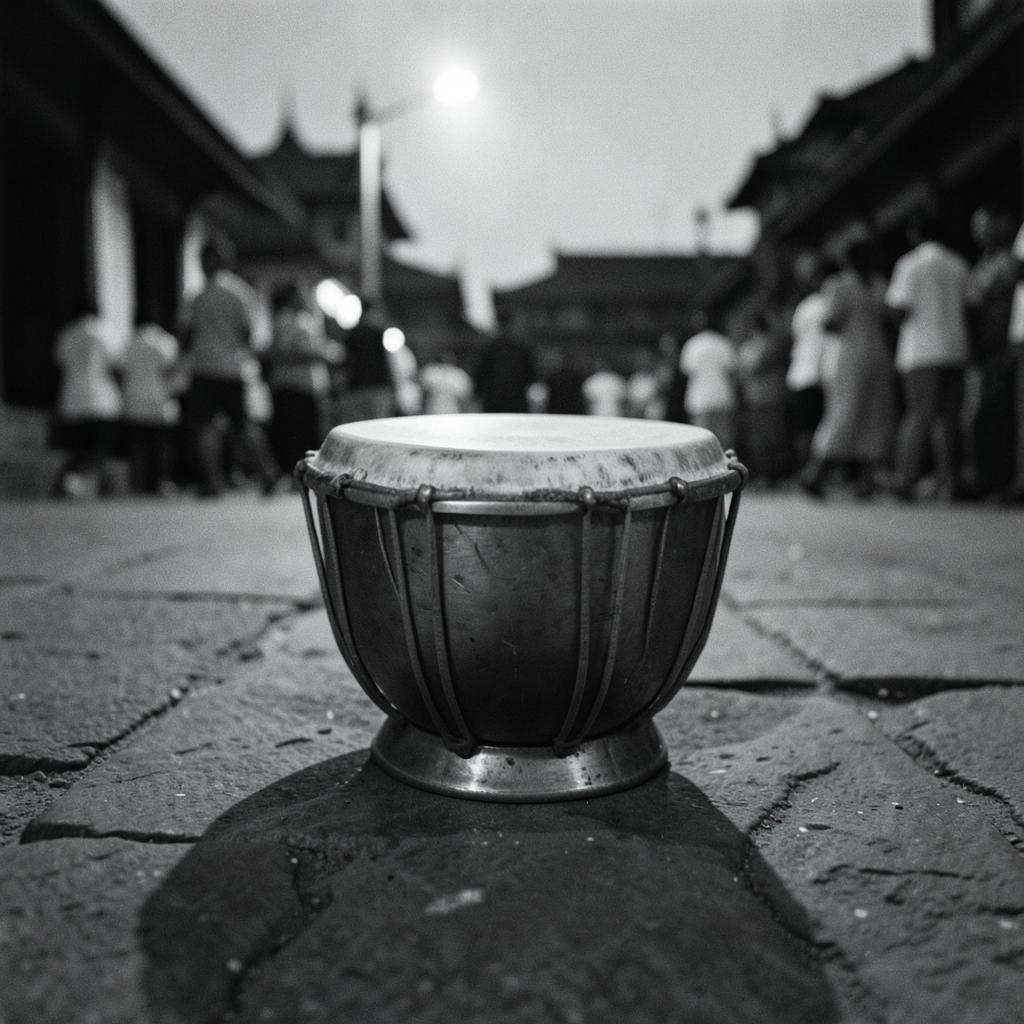
Dhol weight under a measured garba step
Let garba footwork set the measure before you settle on a tempo. A grounded dhol pulse often gives the feet somewhere to settle. A small lift in the hand percussion can then bring the circle forward. Dhol supplies weight at the center, though its pattern works best with space around it. Leave a gap for a dry dandiya knock, so the bright accent stays clear. Handclaps can widen a garba pattern at a refrain, while a held tone can carry the dancers through a quieter turn. Garba momentum often grows as the pattern fills out, with speed held steady.
Walking steps, gentle sways and quickening rounds can set the music's direction, as can a sustained whirl. Let one of those movements guide the opening. An opening that gathers gradually lets dancers anticipate each accent. Place a rounded drum tone beneath crisp sticks, then let the handclap enter after the feet have found the pattern. If the arrangement feels crowded, remove an accent and leave the next beat open. The pulse should give the body a clear way through the music and leave enough space for the dandiya clicks to stay distinct.
Navratri at home, outdoors or on screen
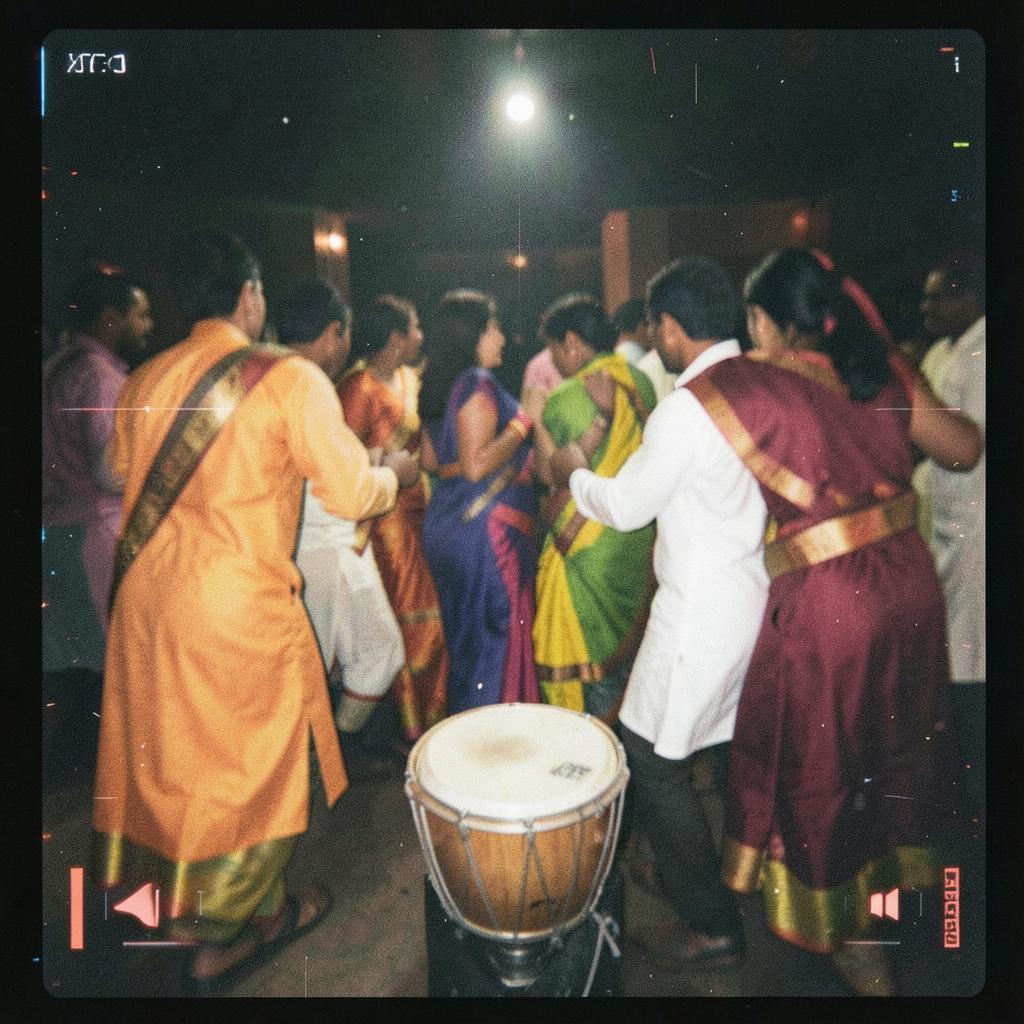
At a home Navratri gathering, a low sustained note, a light handclap or a small drum figure can sit close to the greetings. Once the dandiya circle has formed, bring in firmer dhol weight and let the garba step take focus. On a street or in a courtyard, the opening needs to carry over voices and movement. A crisp handclap or bright stick accent can carry through open air, while a rounded drum keeps the pulse grounded.
For a filmed moment that opens with dandiya being raised, let the first sound match what the viewer sees, perhaps the sticks lifting or feet finding the floor. Keep the arrangement spare long enough for that detail to register. When the dancing fills the frame, widen the percussion and let the refrain open with it. A host might favor a close welcome, a filmmaker might favor a clear cue and a street gathering might favor a broader drum tone. That first impression can shape whether the next dhol entrance feels close, open or broad enough for the setting.
Dandiya clicks inside a spacious dhol arrangement
In a living room still full of greetings, begin with a low drone under the voices, followed by a restrained dhol phrase from the edge of the room. Hold back the garba pulse until a dry dandiya click has sounded. Keep the opening close. Start with a soft sound, then bring in the second arrival after a breath before the sticks. Keep the voices warm, the step grounded and the refrain open enough for the circle to join without rushing.
A courtyard version moves into open air, where the first accent can carry through the movement around it. Keep the drum rounded and low, let the handclap enter after the opening step and save denser sticks for the fuller round. Choose one clear arrangement detail, such as a pause before the click, a wider drum phrase or a held tone beneath the refrain. The arrangement should follow the physical shift from close greetings to a beat the dancers can enter.
Frequently asked questions
- Is a quiet opening wrong for a Navratri gathering?
- A quiet opening often gives a gathering time to hear the first dhol weight and find the garba step before the percussion grows. A low drone, a light handclap or a held vocal phrase leaves room for greetings. The fuller lift often belongs when the circle is ready, so the dandiya accents can stay clear. Constant intensity can flatten the movement, while a patient entrance gives the later round more force.
- At what point does a Navratri welcome become a garba round?
- The change usually comes when the welcome has settled and the pulse offers a step people can join. After a pause, firmer dhol weight or a handclap pattern can open the music outward. For a home gathering, that shift may stay close and gentle. In an outdoor round, a brighter stick accent helps mark the change. Give the refrain enough space to signal movement without making people hurry.
- What makes dandiya clicks easier to hear beside a dhol?
- Dandiya clicks have a bright, dry sound, so they are easier to hear when the drum leaves a little space around them. Dhol often gives the arrangement a low center and forward weight. With Suno, keep the drum rounded and deep, use crisp sticks and leave a short pause before the fuller refrain. That contrast often suits a circle finding its step and keeps the percussion clear as the energy rises.