Autumn Music
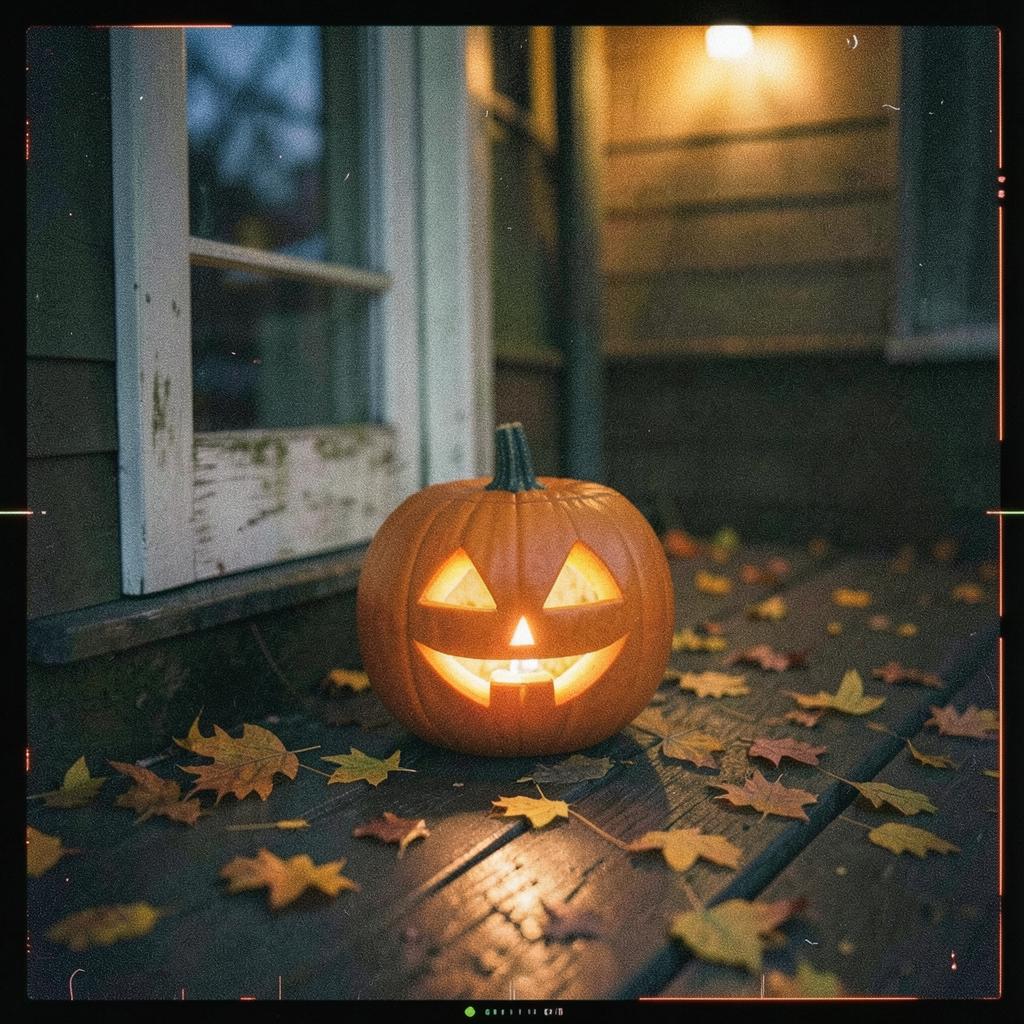
On a porch after the last warm afternoon, listen for the moment a private verse opens into a refrain shared around the room. Autumn music for that scene starts with space around the pulse, keeps a low voice close and saves its widest harmony for the table. In Suno, shape the music around the move from porch to table. Keep the muted guitar, late harmony and final open chord tied to the scene.
Showing 20 of 20
 3:18# BARITONE SAXOPHONE Add A **low, Dirty Baritone Saxophone** As A Rhythmic Accent Instrument. It Must NOT Behave Like A Melodic Horn Section And Must NOT Play Smooth Jazz Lines. Use Extremely Short, Punchy
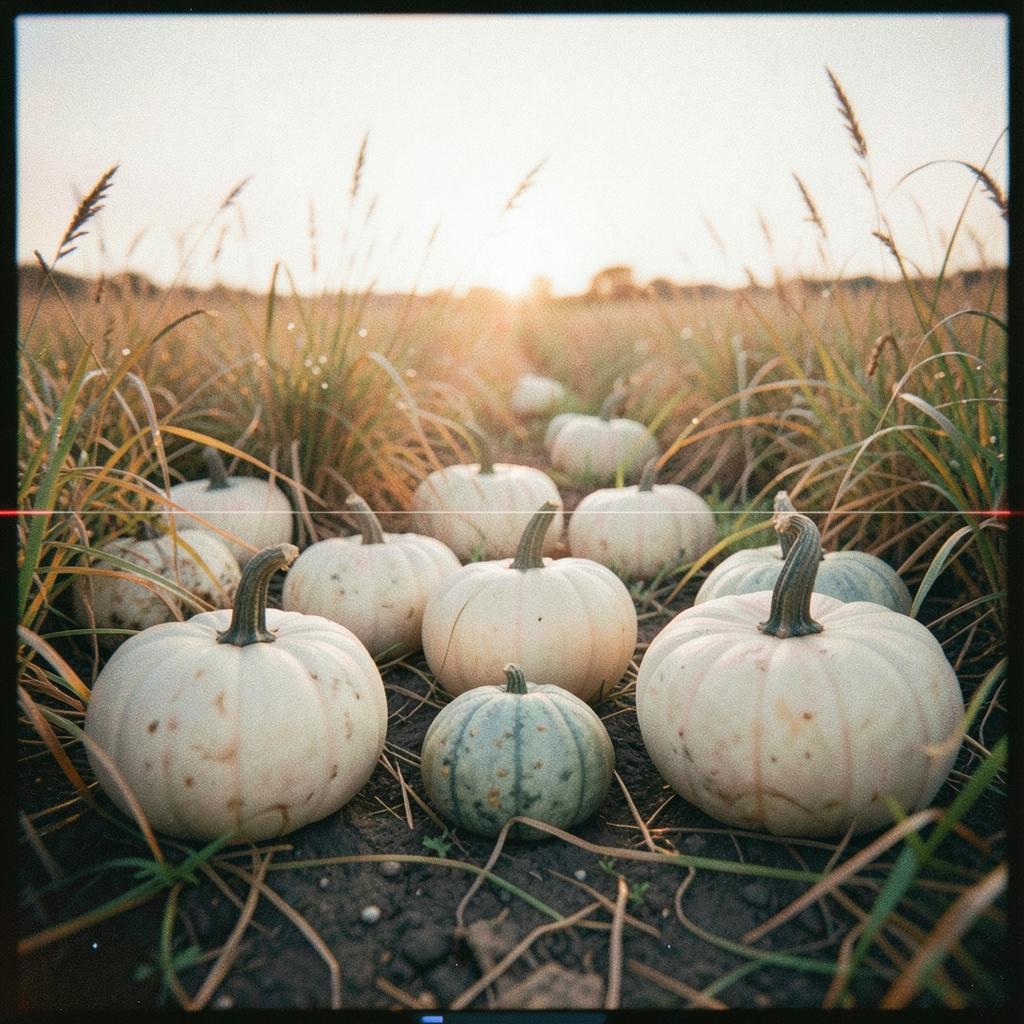
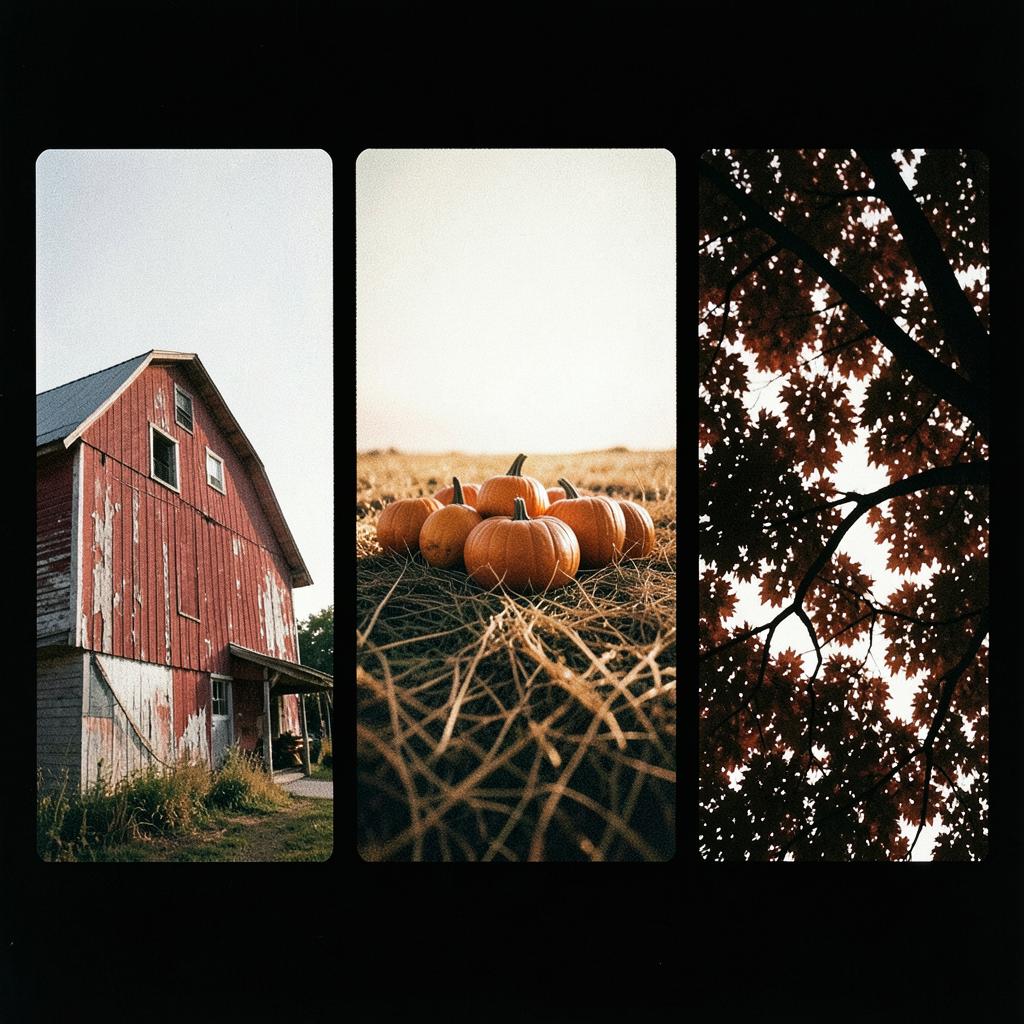
 2:03Instrumental Only. Warm Slow Autumn Jazz Inspired By A Peaceful October Morning Wandering Through A Countryside Pumpkin Patch. Felt Piano, Mellow Rhodes, Delicate Fingerstyle Acoustic Guitar
 2:03Instrumental Only. Warm Slow Autumn Jazz Inspired By A Peaceful October Morning Wandering Through A Countryside Pumpkin Patch. Felt Piano, Mellow Rhodes, Delicate Fingerstyle Acoustic Guitar
 3:20Instrumental Only. Warm Slow Autumn Jazz Inspired By A Peaceful October Morning Wandering Through A Countryside Pumpkin Patch. Felt Piano, Mellow Rhodes, Delicate Fingerstyle Acoustic Guitar
 2:37Instrumental Only. Warm Slow Autumn Jazz Inspired By A Peaceful October Morning Wandering Through A Countryside Pumpkin Patch. Felt Piano, Mellow Rhodes, Delicate Fingerstyle Acoustic Guitar
 2:00Catchy 60-second Korean Autumn Pop Song Performed By A Fresh And Charming Young Adult Female Solo Vocalist. Bright, Dreamy And Romantic Atmosphere With A Slightly Nostalgic Autumn Feeling. Start Immediately With A Memorable Vocal Hook. Warm Acoustic Guitar, Soft Piano














A muted guitar shapes the evening's sound
Start with a muted acoustic guitar, using one dry chord or a two-note figure at the edge of each bar. Leave space between the attacks and bring in the bass with the second phrase. Once the verse finds its pace, loosen the mute so the chord rings into the next line. At the refrain, add a higher harmony or a second guitar to widen the sound from a solitary part to a fuller arrangement. Pull that extra layer away after the refrain. Bring back the close, damped figure for the final passage, then let one open chord ring as the sound fades.
That guitar gives the arrangement a clear sequence. The key decisions are the attack, the amount of open string, the moment the bass arrives and the size of the lift. Those decisions give the music more direction than a pile of words such as cozy, rustic and nostalgic. Keep the guitar near the front for a walk home. Move it behind a soft keyboard or low percussion for a crowded kitchen. The guitar can stay the same across the evening, from the first cold patch of pavement to the last plate put away.
Autumn music gives the voice more room
Give the opening verse to one close voice in a low or middle register, with a little air between phrases. That narrow focus keeps the sound intimate. At the refrain, bring in a second line above the lead or gather several voices on the final words, so the melody moves from a solo line into a fuller sound. Let the group drop out for a short instrumental passage before the last return. That space makes the next entrance stand out.
The lyric language changes how the scene feels. Write harvest details in language that belongs to the gathering, then consider the vowel shapes, consonant weight and line length. A plain, low delivery keeps the words subdued. A brighter register adds lift without forcing the tempo upward. A group line suits a toast or a walk with friends; a solo line suits the quiet trip home. Match those decisions to the guitar's attack and the refrain's arrival. Let phrasing and space suggest the season, and keep mood words in the background.
The final open chord gives the arrangement a clear ending
The last open guitar chord and the first close verse show where a list of seasonal moods falls short. A first draft often piles up words such as autumn, cozy, nostalgic and cinematic, then leaves the arrangement without a clear sequence. Give each mood word a musical job. Build the arrangement around a muted guitar figure with space between attacks, a low solo after the opening bars, a refrain that widens through added voices and a final open chord that rings after the pulse falls away. Use that sequence in Suno so the arrangement moves from cold pavement to an open final chord.
Keep the guitar's late release. Set the guitar's attack before choosing its mood. Place the vocal entrance after the first texture. Give the refrain a defined change in density, then reserve the open chord for the close. Keep more air around the verse through fewer layers at the start. Give the refrain its lift through added harmony and a stronger release. The shift from muted string to shared voice gives the music its autumn feeling, with the outdoor chill still present in the space around the last chord.
Frequently asked questions
- Is mellow the only useful mood for an autumn gathering?
- Mellow can sit alongside a brighter pulse and a little rhythmic lift. An autumn gathering changes pace as people arrive, settle, eat and step back outside, so a single level of softness leaves the arrangement flat. Keep the opening light with dry attacks or a walking pulse, add bass as the table fills and save the widest harmony for a shared moment. The season comes through the order of those changes.
- When should the music shift from the walk to the table?
- Make the turn when the gathering moves indoors. During the walk or arrival, leave space around the pulse for footsteps and conversation. As plates appear, add bass weight, a fuller chord or a shared refrain. Hold back the broadest texture until the gathering has settled, then thin the arrangement for the final pause or the trip outside. Let the scene set the timing, with some sections staying small.
- Where does a muted guitar fit in autumn music?
- A muted acoustic guitar suits the opening because its dry attack keeps the sound close and leaves space for a voice, a footstep or a light percussion part. Loosen the mute as the verse settles, open the chord at the refrain and return to the damped figure near the close. Place it near the front for a solitary walk or let it sit behind keys and low percussion at a crowded table. Its effect comes from touch, spacing and density, so the instrument name is only a starting point.