Mother's Day Music
At breakfast, Mother's Day music accompanies a card and coffee; later, the same family may need a gentler bed for photographs or a hello on speakerphone. A close piano figure can open into a wider family refrain, while an instrumental bed leaves room for spoken words. AI-made tracks for these moments can give that choice a musical shape. Suno lets a maker shape the music around that decision, using a card line, a low entrance or a lift in the final refrain to set the arrangement's direction.
Showing 20 of 20
 4:03Piano-led Hungarian Pop Ballad With Slow 6/8 Sway, Brushed Drums And Warm Low Strings; Verse Stays Intimate With Sparse Piano And Close-mic Vocal, Pre-chorus Lifts With Stacked Harmonies And Rising Pads




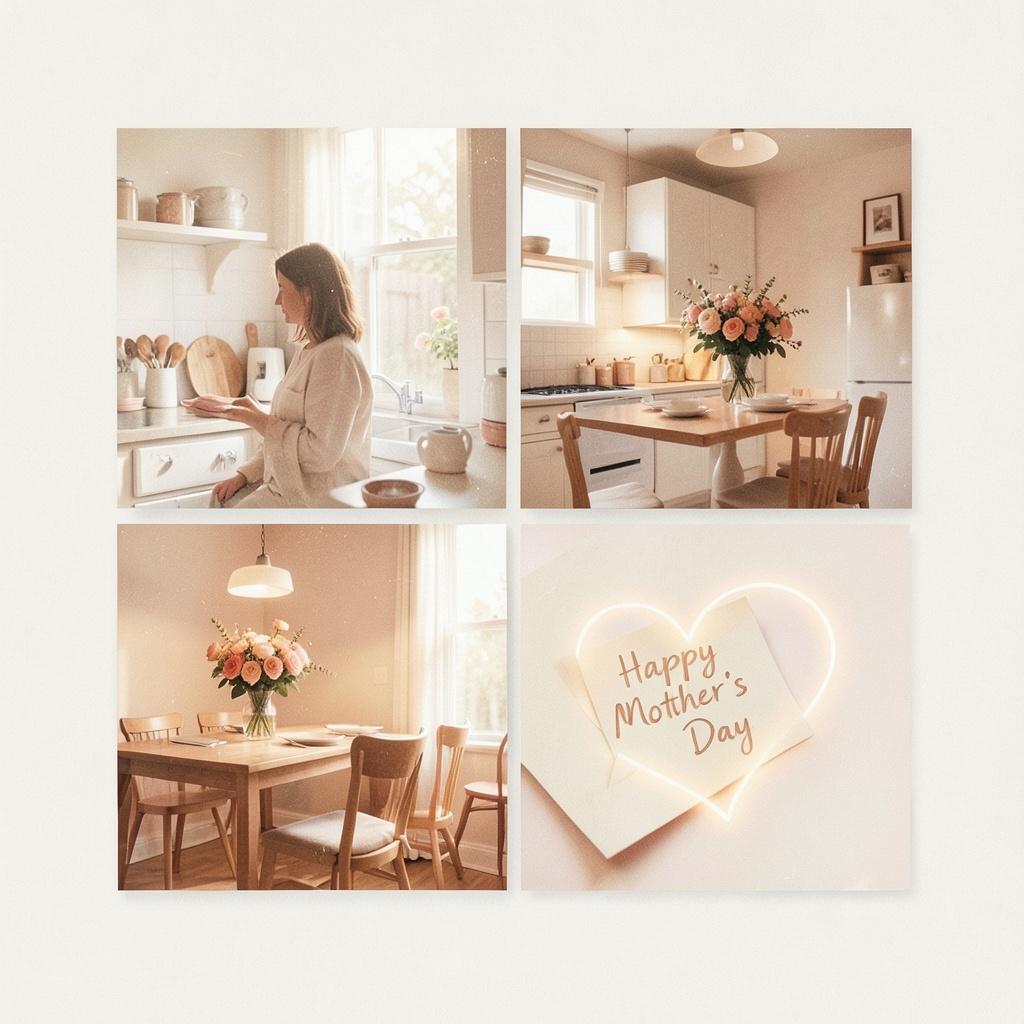






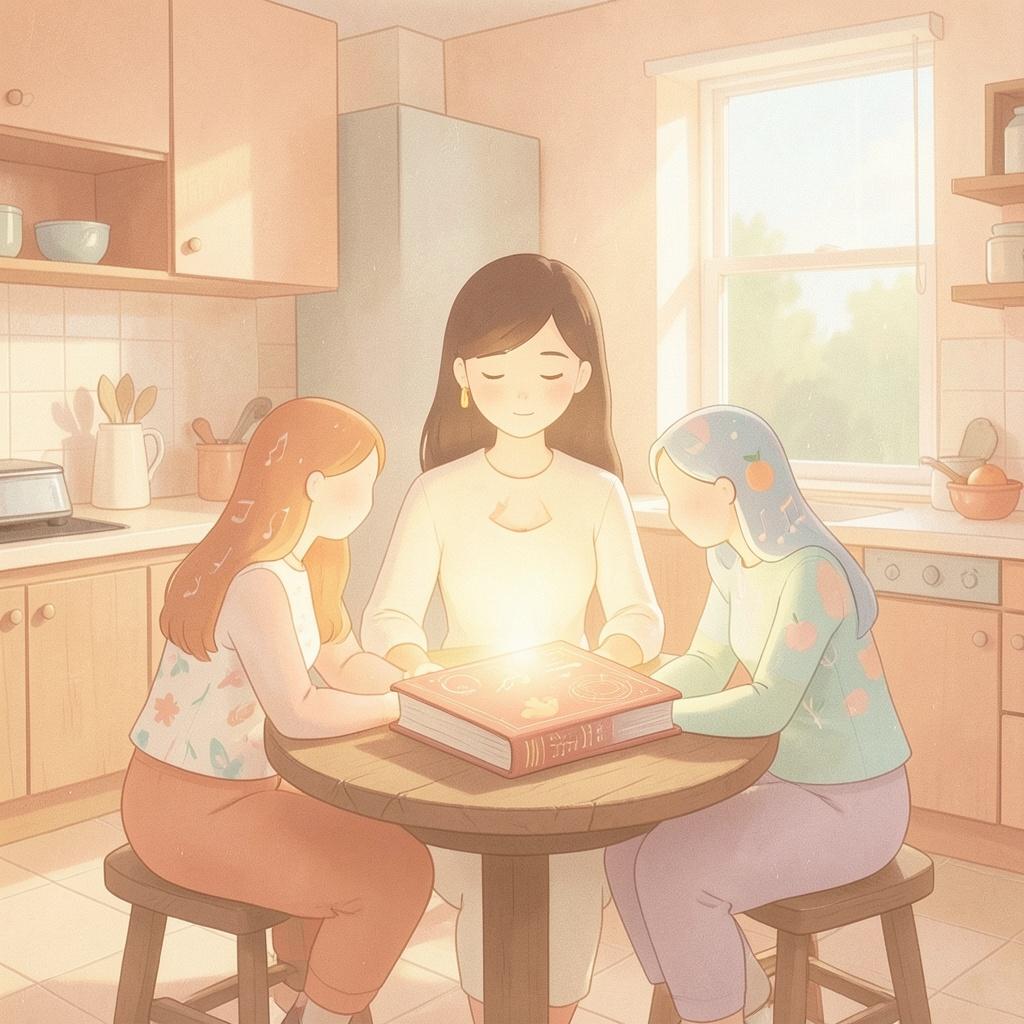






Breakfast calls for Mother's Day music with room to speak
A card reading puts the first sound close to the table. Start with a narrow piano figure, a muted guitar pattern or a held pad that leaves room for the line being read. The opening should feel present without asking the family to speak over it. A quiet pulse beneath the words can keep the moment moving, but the arrangement needs somewhere to go once the card is folded.
When photographs take over the screen, let the music widen by degrees. A steady bass line can support changing faces, while handclaps or tambourine can add brightness to a backyard gathering. For a call across distance, reduce the density again so a voice on speakerphone stays easy to hear. The celebration may move from table to screen to porch. Shape that change with a close opening, a gradual lift and an open refrain. A short instrumental passage can carry the images without crowding a caption, and a restrained beat can give a room something to share after the last line. Keep the first sound near the card. Let the next layer arrive when the greeting turns outward to photographs or the call.
The singer changes how close the greeting feels
One singer makes the thank-you feel addressed. A low register can settle into a spoken memory, and a lighter line can lift when the room joins. Use a dry, close entrance for the card and a more open sound for a video shared with relatives. Treat exact range and placement as directions. The music can suggest the character of a part without fixing every note.
Group singing changes the invitation. Unison gives several people a line they can catch, and a small harmony stack can make the response sound shared without turning it into a finale. If a family phrase carries its meaning in another language, use that language for the lyrics and choose who enters first. The language shapes how the phrase sounds. No singer is required. Piano, guitar or a soft pulse can support photographs or a spoken message. Keep the first line personal. Let the response arrive later, with the ending opening outward or staying close to the person being thanked.
After the greeting, bring in the bass line
That close piano figure loses its focus when the arrangement tries to express every feeling associated with a family celebration. Listing adjectives such as tender, joyful, nostalgic, warm and uplifting can blur the card's opening, the singer's arrival and the refrain's rise. Keep the arrangement small at first. Begin with a close piano figure beneath one greeting, leave a breath after its key line and add a unison response. Let the bass arrive when the photographs turn into a shared memory. Its exact entrance may shift, but it should mark that turn from one face to the group.
With Suno, shape the arrangement around that sequence. Breakfast needs a light pulse beneath a greeting, the photo reel needs a patient bed that grows into a wider chorus and the speakerphone message needs a sparse opening before the answering voices arrive. If the family phrase belongs in the song, use it as lyrics and choose who carries the first line. A brushed pattern, muted guitar or hand percussion can mark the lift without turning the moment into a party track. Bring in the bass after the photo turn and leave room for the family refrain to land.
Frequently asked questions
- Will a playful beat spoil a Mother's Day song?
- A playful beat can suit the kitchen or a run of family photographs if the opening leaves room for the card's words. Handclaps, a lift in the bass or a wider group response can bring energy without crowding a spoken memory. Keep the change modest while people are still listening closely, then let the pulse carry the gathering into its shared part. Tempo is only one part of the feeling. Phrasing, space and who answers the line carry their own weight.
- After the card is read, when should the arrangement grow?
- Let the first lift arrive after the card's key line has landed. A photo reel can take the next increase in density, with a bass part or soft percussion giving the images forward motion. A speakerphone greeting usually needs more air around the words and a later answer from the group. Set that order in the arrangement. The length of the reading and the people in the room shape the exact turn.
- Could brushed percussion fit a Mother's Day photo reel?
- Felt piano keeps the attack soft and leaves a clear pocket around a spoken message. Brushed percussion adds quiet forward motion without insisting on a dance floor. Either texture can sit beneath a card reading, a photo sequence or a small group refrain, depending on pace and density. For a warmer lift, pair the piano with muted guitar. For a lighter gathering, let the percussion arrive after the first line instead of filling every bar.