Eid Music
When prayer ends, the doorway stays quiet before greetings, plates and footsteps fill the space. Eid music for that passage needs space at the start and a pulse that opens gradually. The AI-made tracks from Suno move from a quiet start toward a wider pulse. Set the setting, pace, instruments and energy you imagine. Keep the music close to a family film, let a shared meal stay in focus or send the rhythm toward the street.
Showing 20 of 20
 1:17[Style: Contemporary Khaleeji Eid Fusion] [Short Festive Greeting] [STRICTLY Follow The Uploaded Vocal Recording] [Keep Original Melody, Phrasing, Rhythm
 4:00Takbiran Struktur Lengkap Untuk DJ Remix (Intro – Build Up – Drop – Break – Drop)
 3:27Gabungan Moden + Tradisional. Boleh Masukkan Elemen Gambus, Seruling, Kompang. Kekalkan Identiti Melayu & Ramadan.
 3:51Melayu Klasik Modern Upbeat, Lagu Raya Aidilfitri Ceria Meriah, Gambus Melayu Dominan Riang
 4:35A Classic Malaysian 90s Style Nasheed Titled “Malam Takbiran Menyongsong Idul Fitri”. Tempo: 85–95 BPM, Medium. Mood: Spiritual, Uplifting
 4:35Nada Intro Menggunakan Biola, Nada Musik Menggunakan Piano Dan Biola, Suasana Hati Sedikit Gembira
 5:12Muzik Slow GambusTradisional Brunei**: Menggunakan Alat Muzik Tradisional Seperti `gandingan`, `saluang`, Atau `gendang`
 7:06“Create An Intimate Indie Pop / Indie Folk Song Inspired By The Emotional, Nostalgic Vibe Of Cup Of Joe’s ‘Multo’. Slow Tempo (60–70 BPM), Acoustic Fingerstyle Guitar As The Main Instrument

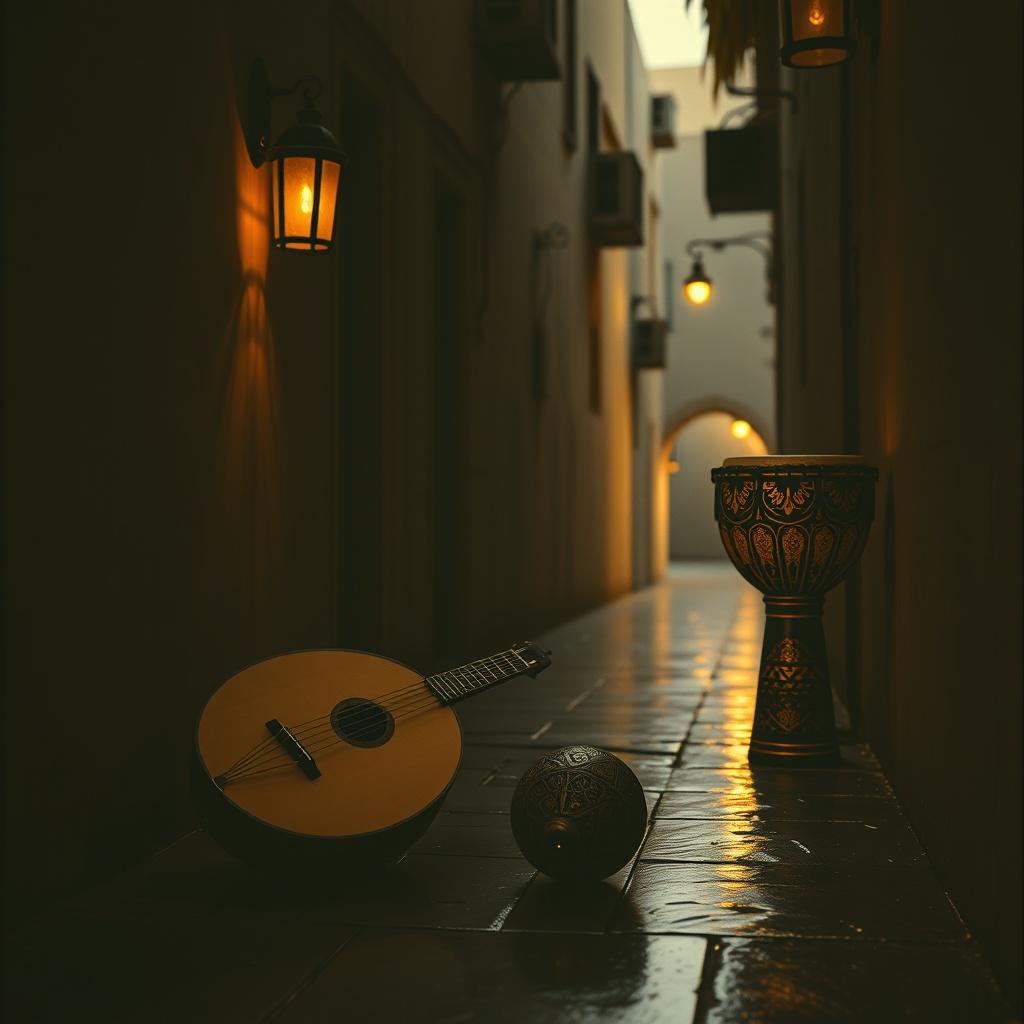
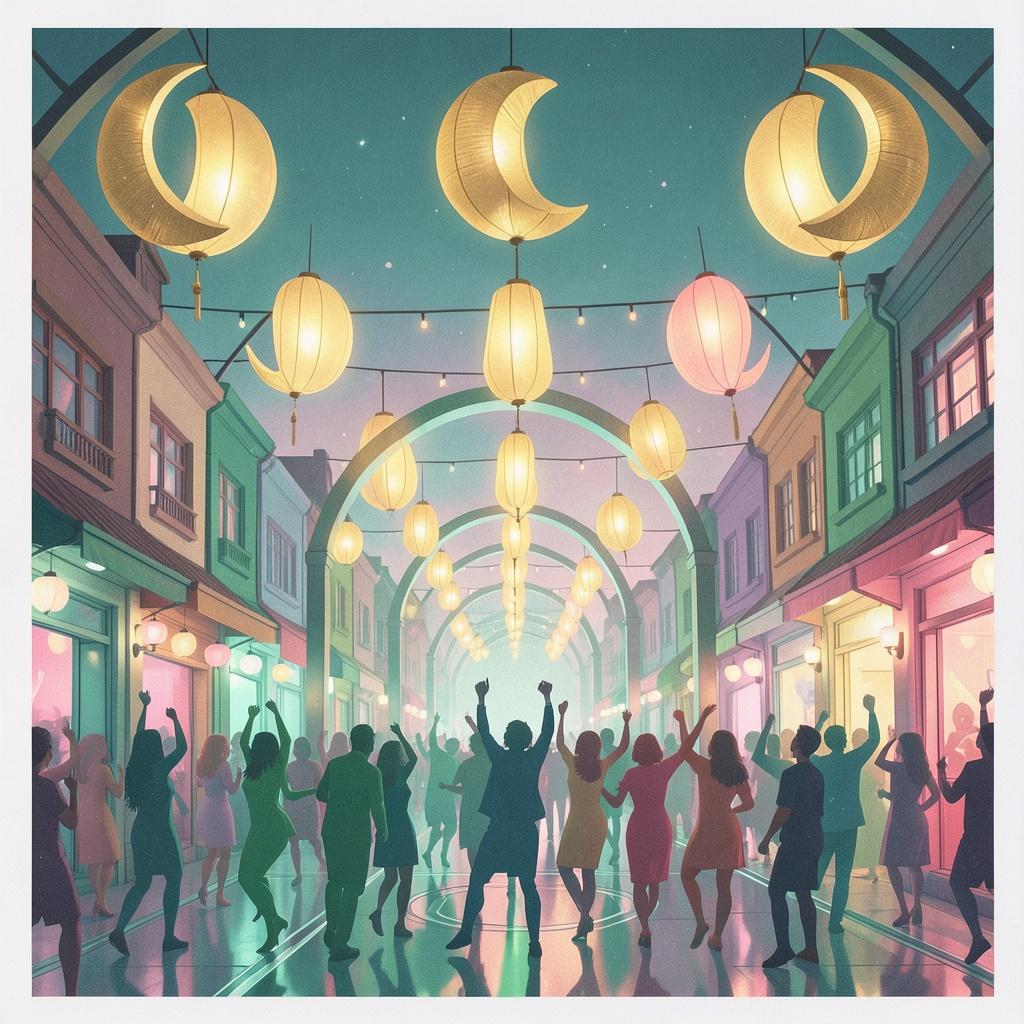
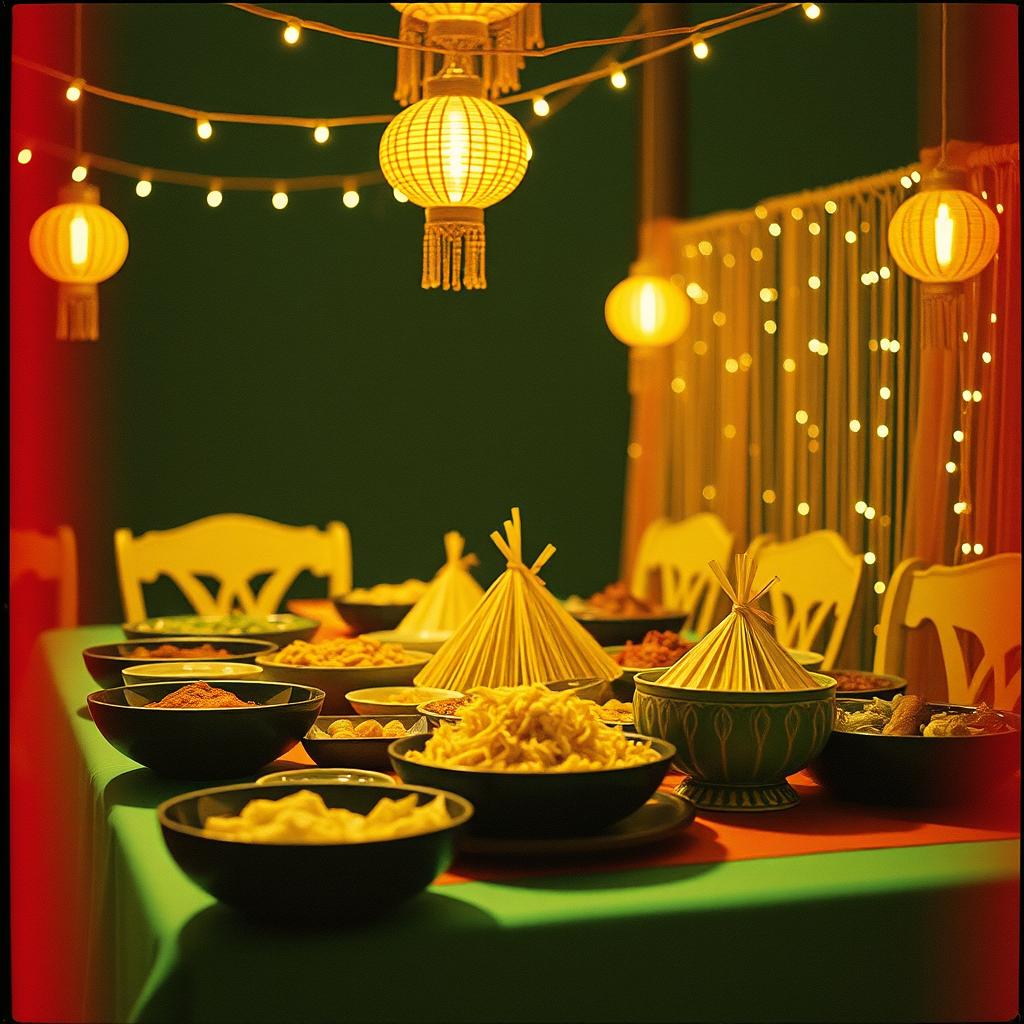

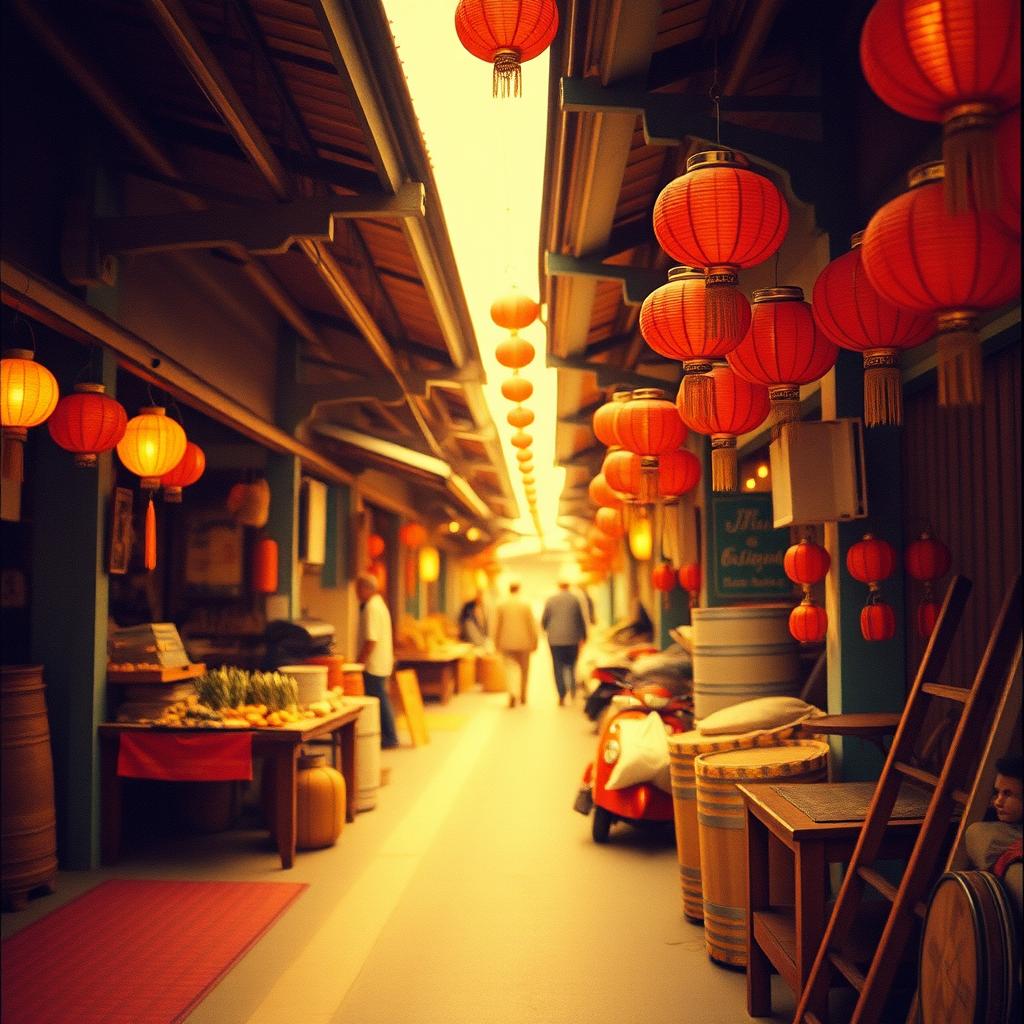
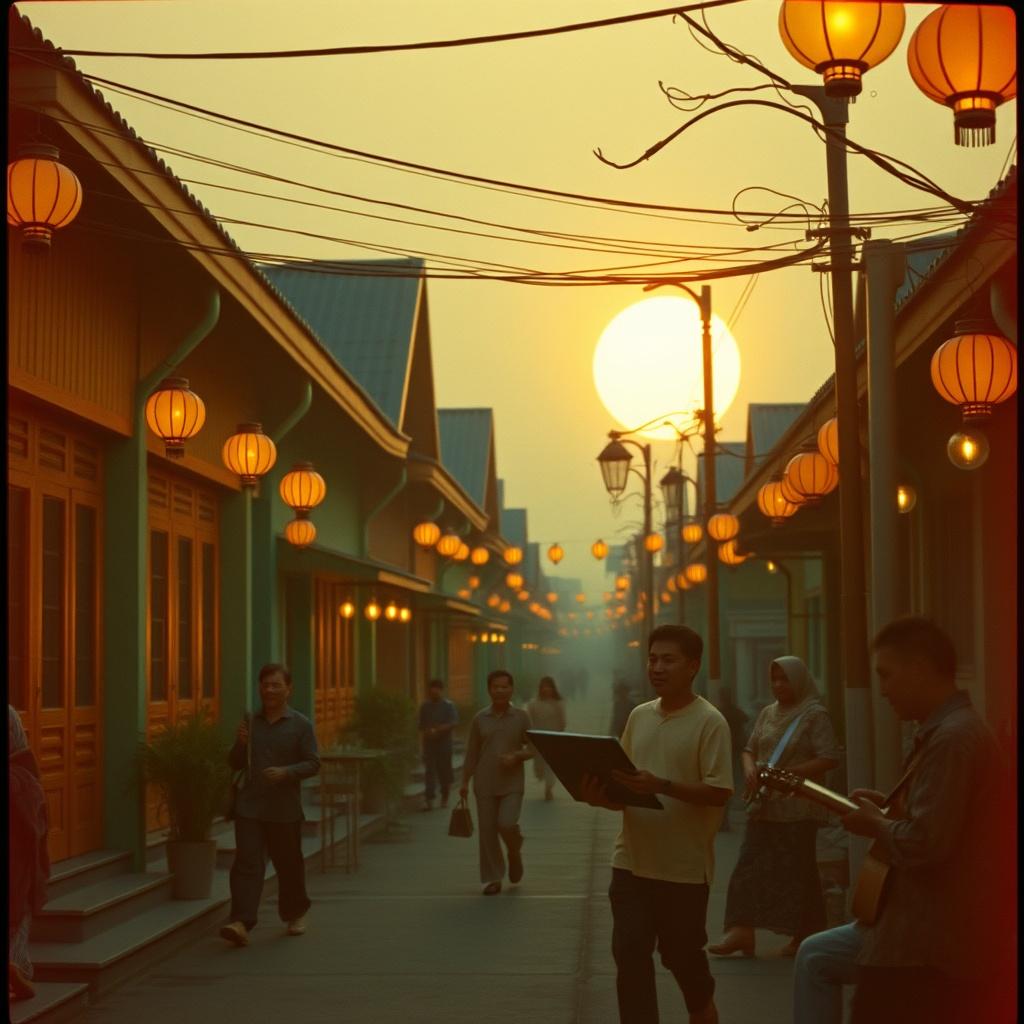



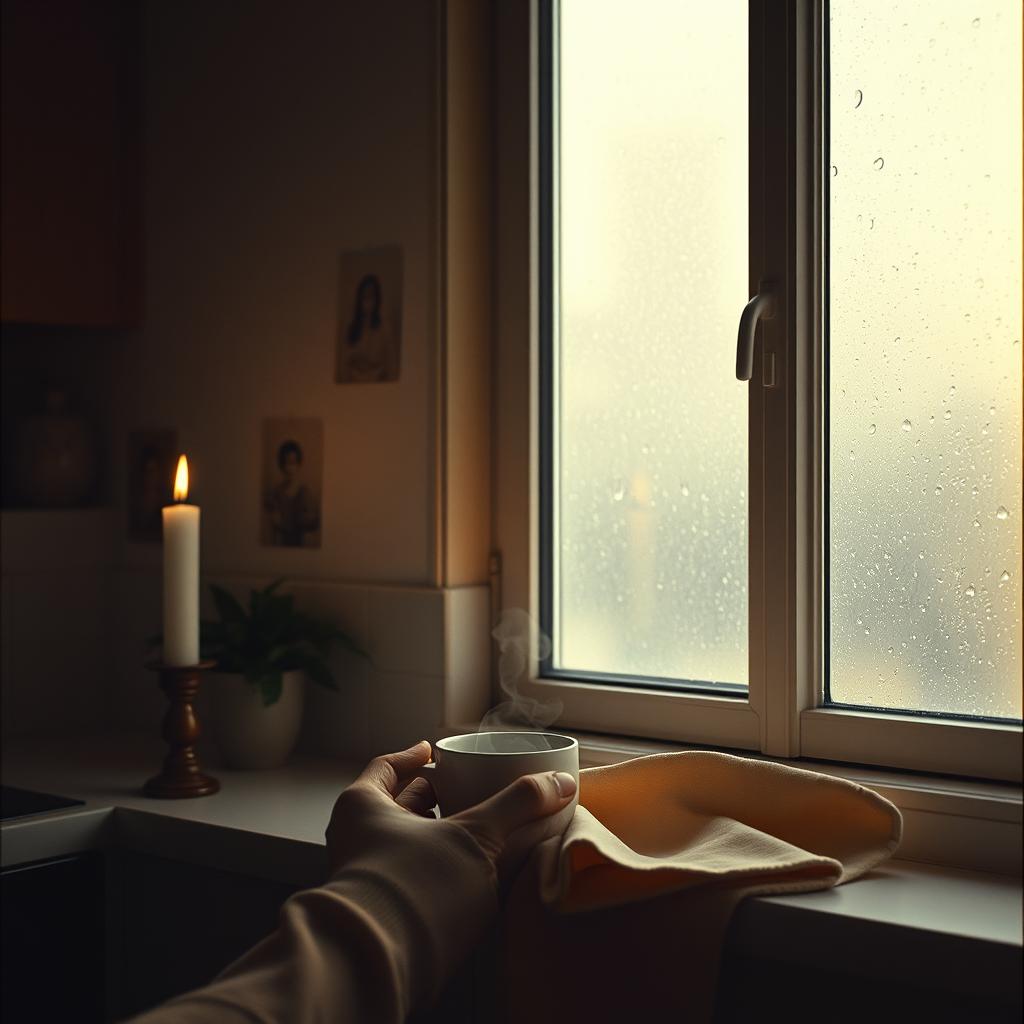

A spare start for a growing welcome
At a morning meal after prayer, leave the arrangement with a narrow pulse, a dry hand drum and a melodic phrase that does not crowd the talk. The low volume keeps an Eid greeting or a family message in the foreground. For a larger welcome, add bass weight, layered percussion and answering phrases so the rhythm carries across an open room. Density changes the track's job. A bare texture leaves room for faces and table sounds, while a fuller arrangement gives footsteps and shared movement a steady pulse.
Volume should follow the setting and the room's activity. A restrained opening suits the pause after Eid prayer, especially when the music sits under a filmed greeting. A brighter attack and thicker rhythm fit the moment guests begin arriving together. Keep one clear musical anchor in either case, such as a repeating figure or a steady low pulse. If every layer enters at full force, the welcome loses its sense of arrival. Let the arrangement grow with the room's size and the attention the moment needs.
At the doorway, the rhythm opens out
In a family film, let closeness come before celebration. Begin with a small melodic interval, a soft vocal entrance or the brush of a frame drum so the first image has room to register. As the edit moves from a greeting to an open door, let the rhythm gather weight. A steady bass figure supports the shift. Keep the pulse supple enough for footsteps, fabric and overlapping voices. Let the music follow the picture's change in distance so each feeling emerges in its own time.
At home, dishes and talk come before the first sound. A lightly plucked pattern or warm sustained chord adds a quiet musical line to the meal without drawing attention away from the people around it. On a street, movement carries the beat, so wider percussion and a firmer accent have more room. Family footage often carries the sound from a phone speaker near the table to a larger gathering outdoors, so the arrangement needs to support that change. Build the arrangement around the location, the first sound, the moment the doors open and the energy that follows. A full-day festival arc suits public motion over many hours. Eid calls for the intimacy of a particular welcome.
Leave layers in reserve for a spacious close
A hand drum beside an open door shapes the close. Let the finish gather into a broad refrain, then leave a short pause after the final accent so the welcome stays open. That means the middle should hold back its heaviest percussion. Keep the bass understated, place one answering phrase after the main line and save the widest rhythm for a brief rise near the close. The listener should hear the music expand without every layer arriving at once.
Build the opening from the quietest part of the morning. A narrow melodic figure, a soft chord and one dry pulse establish the post-prayer room before the arrangement grows. With Suno, set how close the opening feels, how the pace moves and the sound near the close. If the ending shifts toward a bright hand-drum lift, keep the middle restrained and give the opening a clear melodic mark so the added energy stays connected to the welcome. Replace the held chord with a repeated drum figure as one possible change, then keep the earlier texture spacious enough for that figure to enter clearly.
Frequently asked questions
- Does the first Eid greeting need a loud soundtrack?
- Begin with the room's natural energy after prayer, when greetings, plates and footsteps already carry movement. A spare pulse gives a family video or a meal enough room to breathe. Fuller percussion earns its place as guests gather or the welcome moves outdoors. Volume is only one part of the choice. Shape a clear path from private warmth to shared motion and leave enough space for the people and place to stay audible.
- When should an Eid welcome move from the room to the street?
- The change works when the picture or gathering opens its focus. Keep the early passage centered on a greeting, a plate being set down or a family circle forming. As people step through the doorway, widen the bass, let percussion answer across more space and allow the pulse to gather weight. In a film, match that expansion to the image that carries people outside. In a live gathering, let the guests' actual movement determine the cue.
- Why does a frame drum suit a close Eid welcome?
- Its rounded attack gives the rhythm a clear edge without filling every gap. Softer strokes sit neatly beneath a greeting or a meal, while firmer accents help a doorway gathering feel more open. Pair the drum with a narrow melodic figure when the room needs intimacy, or let a low pulse answer it as people begin to move. Touch and spacing shape the drum's role more than the instrument name alone.