Award Ceremony Music
At the podium, the envelope opens over a held breath. The name lands and applause breaks through. Award ceremony music has to leave a presenter's words legible while giving the reveal enough weight to feel like an event. A clear musical bed can sit beneath speech, build pressure before the name and widen for the room's response. When you make the cue with Suno, set its pace, density and release so the opening stays restrained and the texture lightens after congratulations begin.
Showing 19 of 19
 2:52Corporate Award Ceremony Music Blending Malaysian Ethnic Instruments (sape, Gamelan, Rebab) With Orchestral Strings And Piano. Elegant
 2:19A High-energy K-pop Song With A Luxurious And Dramatic Vibe. After The Second Chorus, Include A **MAMA-style Dance Break With A Sudden Beat Switch, Heavy Bass Drop
 2:07Suno Prompt: Gulf Arabic Celebratory Song, Emirati Style, Inspired By Hussein Al Jassmi
 1:2570s Award Show Ballad For Award Show Tv Program. Epic And Cheesy. Jazzy And Horns. Upbeat.















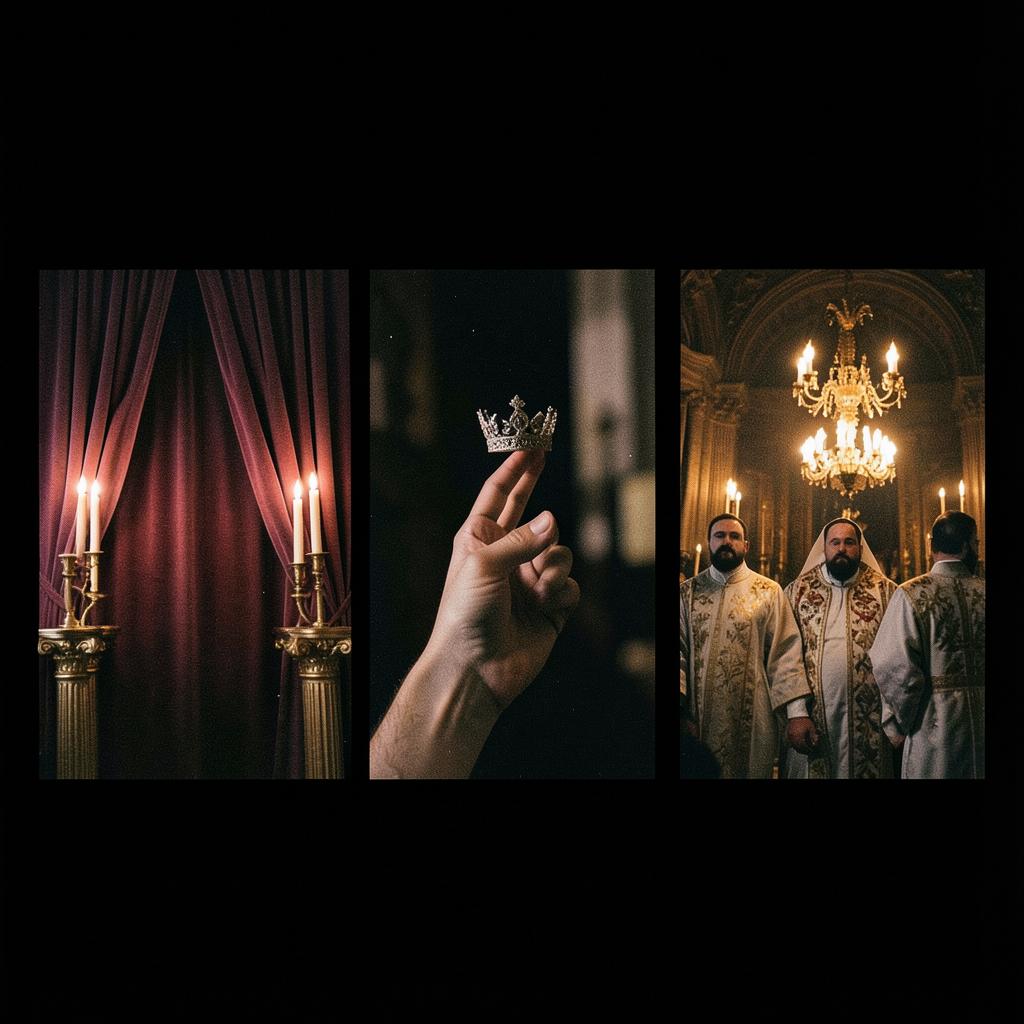



Keep the fanfare behind the name
A first cue often treats the envelope opening as the climax, loading the first bar with brass, timpani, cymbal crashes and a full chord. That rush announces importance before the presenter has finished the setup. The words lose their edge, the audience hears too much at once and the name cannot stand out. Give each sound a narrower job. Brass brings the sense of arrival. Low strings hold the suspense under the presenter's words, and one drum accent releases the held breath after the announcement. Keep the first figure short enough to leave the presenter in focus.
The cue works best when its strongest sound comes late. A restrained pulse gathers attention. A suspended harmony keeps the envelope moment open, and a warmer chord meets the applause. If the presenter needs several sentences, thin the texture around each phrase and let a brief lift answer the room between sections. The person at the microphone remains the focus. Save the grandest gesture for after the name.
Dense and bare award ceremony music
Density sets the scale of the moment. A bright brass chord, low strings and firm percussion give the name ceremonial weight. They can also mark the start of the applause. Keep that full sound brief. A louder swell works after the announcement, while a moderate bed keeps the presenter in focus. Leave a little harmonic space before the name so the change is clear instead of one unbroken block of sound.
A bare texture keeps the words in front. Piano notes, soft strings or a brushed pulse sit beneath words of thanks without competing for the microphone. Quiet space lets a small laugh, a breath or an unfinished sentence remain part of the moment. For a walk to the stage, add a steady rhythmic lift. For a speech, let the pulse recede and keep the register open. The same ceremony moves from near silence to full applause, and each change has a clear job. The arrangement should widen at the public celebration and narrow again when attention returns to the speaker.
Give the name reveal room to rise
That held breath before the name is where a ceremony cue often goes astray. A first draft reaches for grand, triumphant, emotional and cinematic, four mood labels that say little about what happens beneath the presenter's words. Give each idea a musical job. Let a restrained brass figure sit beneath spoken words while low strings hold a tense harmony before the announcement. One drum accent can come after the applause starts, and a broader chord can carry the walk to the stage. With Suno, describe the order and how the energy should move without demanding an exact cue length or entrance. The music should leave space around the speaker.
Keep the register open around the speaker, let the reveal gather pressure without a crowded melody and reserve the fullest texture for the public response. If the award moment includes thanks, make that section lighter with a gentle pulse underneath. If the cue belongs to a short presentation, make the opening gesture compact and the release unmistakable. The cue should center the envelope, the name and the room turning toward applause. Its final chord should be broad enough for the stage arrival.
Frequently asked questions
- During the announcement, how quiet should award ceremony music stay?
- Keep the bed light enough for consonants, pauses and a name to stay clear. A low pulse or thin string line can hold attention beneath the presenter, while bright brass and heavy percussion wait for the announcement to land. For a short walk to the stage, a compact opening gesture gives the room direction. For spoken thanks, leave more air and let the music sit lower in the arrangement. The arrangement matters as much as loudness.
- Why hold the brass until after the name is spoken?
- Brass has its strongest effect after a period of restraint. A short, bright figure can announce the name or the walk to the stage, while low strings keep the seconds before the announcement charged without filling every gap. Timpani or a single drum accent adds ceremony when the applause opens. Piano or brushed percussion suits words of thanks that should stay clear at the microphone. Keep the register and density in mind, since the same brass part can feel generous in an open texture and crowded in a packed one.
- Across a presentation, where should the cue gather and release?
- Begin with a restrained bed under the presenter, let tension gather around the sealed envelope and open the harmony when the name is announced. Let the release come with the first applause, when a wider chord or firmer rhythm can support a walk toward the stage. After the public peak, a lighter figure leaves room for photographs, thanks or the next presentation. A cue with these changes gives each part of the ceremony its own pace without forcing every moment to sound grand.