Diwali Music
A diya's small flame, rangoli underfoot and a few bright manjira taps shape the sound of Diwali music. You can hear the shift from a gathering's welcome toward dancing in AI-made tracks created with Suno. Keep the opening light and give the refrain more room as people move. For your own music, use a bright cymbal tail, a hand-played pulse and enough space for greetings.
Showing 13 of 13
 3:10Devotional Bhajan Intro With Harmonium And Sitar, Transitioning Into Bollywood Orchestral With Cinematic Strings And Tabla. Verses In World Pop Ballad Style With Acoustic Guitar, Chorus In Bollywood Anthem Style With Choir
 2:58Dancehall With Cinematic Island Ambiance. Diwali-inspired Drum Pattern, Bright Percussive Snaps, Warm Reverb On Plucks


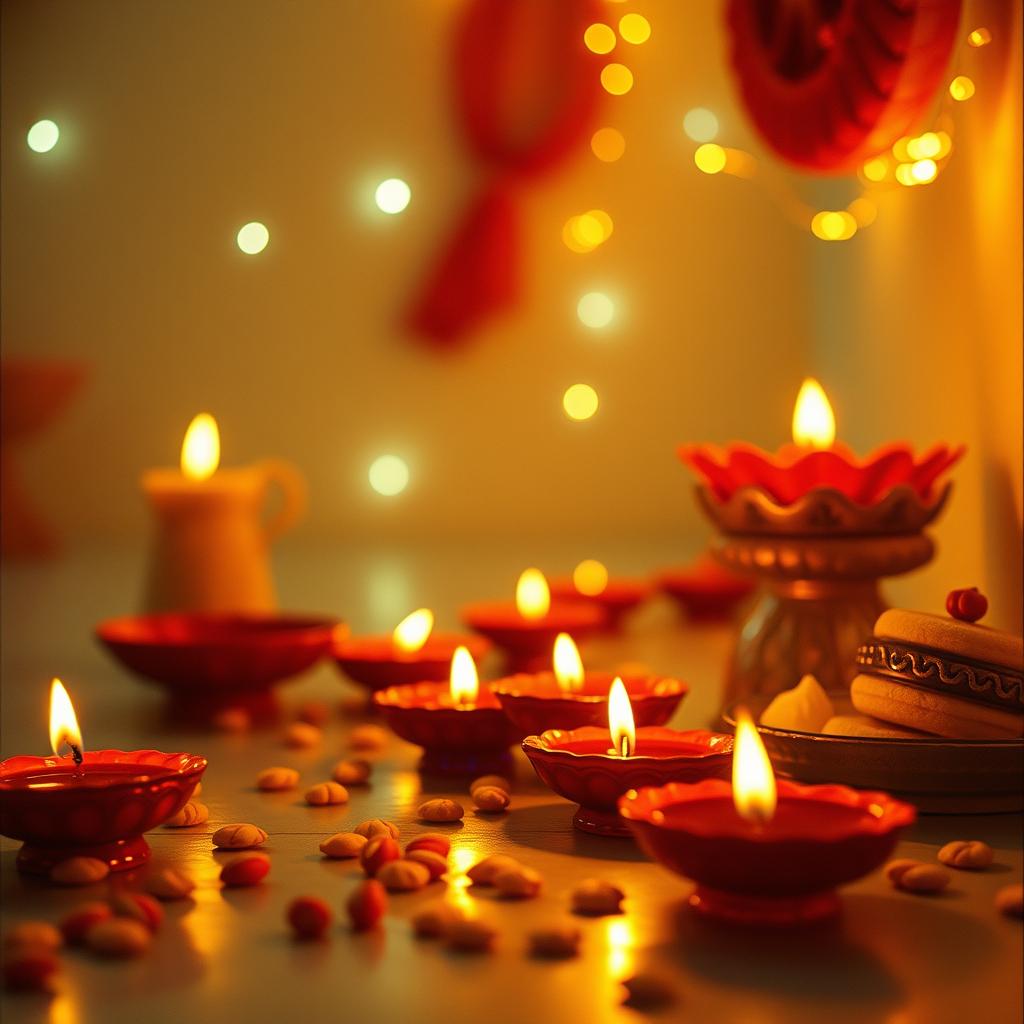
Manjira marks the changing sections of Diwali music
Give a pair of manjira a role across the arrangement. Keep the opening taps light and separated, leaving a little air around each bright strike. When the first melodic phrase arrives, repeat the pattern with a small change in spacing so the texture stays recognizable without sounding looped. Under the refrain, let the cymbals sharpen the lift while leaving some gaps open. A hand drum or low drone can sit beneath them while the cymbals remain the rhythm's highest accent.
Let the manjira change as the gathering opens. Use sparse taps beside the opening melody, a closer pattern when the gathering grows lively and a thinner touch near the close. The arrangement stays connected because the manjira changes density instead of staying at full force throughout. A lower drone can support the bright cymbal sound without making the music heavy. When the refrain returns with more energy, let the cymbals land around the phrase rather than on every beat. That balance shapes the arrangement. The surrounding melody steers the mood and the cymbals remain a light accent under the refrain.
The Diwali setting shapes the opening sound
Start a Diwali welcome with the sound of plates and footsteps beside the glow of a newly lit diya. A clear manjira tap, a dry plucked note or a soft sustained tone can reflect that setting in the music. Let the opening stay at speaking volume, with a melody that takes its time before the rhythm asks anyone to move. That restraint works for a living room, a dining table or a short video of lights being arranged. It keeps the welcome in focus rather than pushing it into the background.
As the diya's glow fills the room, let the music widen without a hard switch. Add hand percussion after the first round of greetings, open the melody into a brighter register and give the refrain enough repetition to carry through the house. After the opening has had its few seconds, bring in a faster lift when feet start answering the beat. A slower rise leaves room for sweets, voices and the glow of the decorations. Keep the timing tied to the moment the gathering shifts toward movement, so greetings remain clear and the brighter refrain has room to arrive.
A manjira-led Diwali refrain leaves room for family greetings
The light manjira sound and the opening at speaking volume suit a close with one clear gesture. End the refrain with a held chord and a soft return from the cymbals, leaving enough room for voices around the lamps. The middle has to save something for that quiet finish, so keep the brightest handclaps and fuller drum pattern out of the first refrain. A short melodic answer appears once before the room's most active stretch. The opening establishes the cymbals' attack, the space after each strike and a pulse gentle enough to sit beside greetings.
If the close needs more lift, use a rounded drum answer under the manjira rather than adding every layer at once. That means introducing the drum earlier in a lighter form and establishing the rhythm in the opening without crowding the diya moment. Use Suno to build the music around a family-room setting, a restrained entrance and a brighter return. Leave space at the close, with the cymbals as a small accent rather than a constant signal.
Frequently asked questions
- Does lighting diyas call for a nonstop dance beat?
- Not every Diwali moment needs a nonstop dance beat. The lamp-lighting part of a gathering often benefits from space, a small melodic figure and a pulse that sits beneath greetings. Bring in denser hand percussion when people begin moving, then let the refrain carry the lift. Choose the pace for the moment you are scoring. A quiet family welcome, a decoration video and a livelier room each invite a different amount of lift.
- How does the music change as a Diwali gathering moves toward dancing?
- The arrangement usually changes in density before it changes in speed. Let the first phrases leave room for greetings and for the moment a diya is lit. Add hand percussion, a brighter upper line or a wider refrain as attention shifts toward movement. The lift does not need to arrive all at once. For a short decoration video, make the shift easy to catch. When music fills a home, let the rise take longer so voices and footsteps remain part of the evening.
- Why do manjira taps suit a Diwali gathering?
- Manjira adds a dry, bright accent that often stays clear beside a melody and leaves the lower range open for a drum or drone. Keep the taps sparse near the welcome, bring them closer together for a livelier refrain and let them thin out around the close. Use Suno to vary the manjira's role instead of keeping one fixed pattern. The surrounding rhythm and melody determine how much space remains around the refrain.