Festival Music
A dry handclap sounds as the gate lights come on, then a low pulse moves through grass and cables. The music moves from that close arrival to the full field. The arrangement leaves room for a welcome before the crowd fills the frame. That contrast can shape an AI-made festival track from Suno. Keep the handclap, delayed pulse and widening arrangement in the festival track. Start modestly and leave room for the widest lift when the full field appears.
Showing 15 of 15
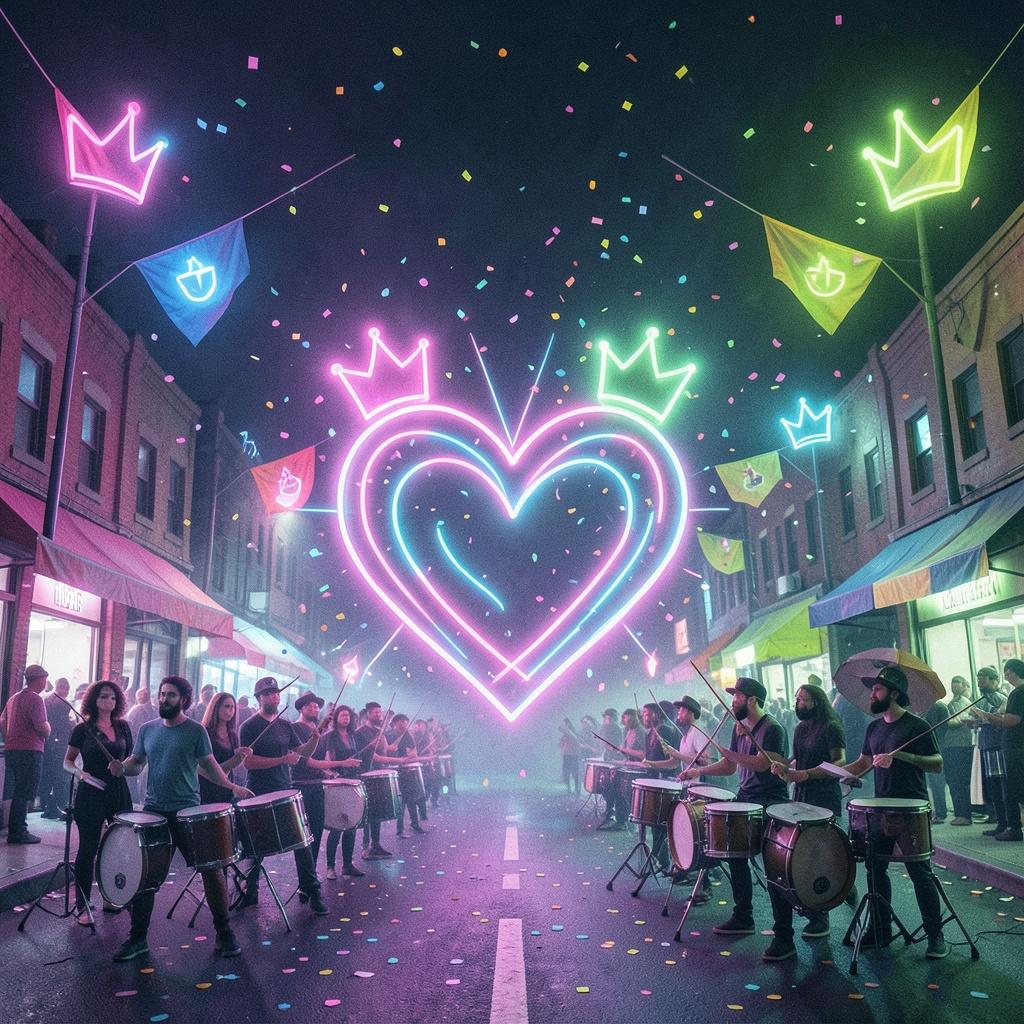



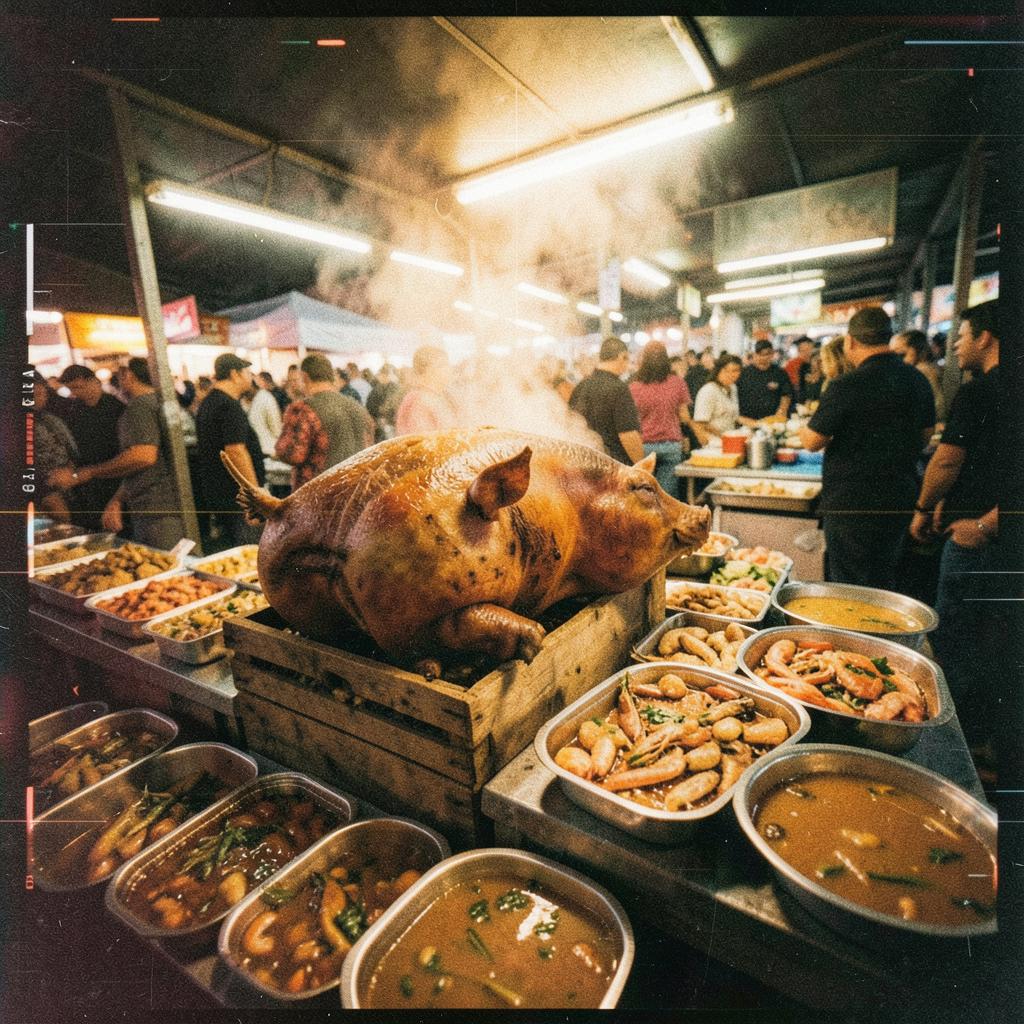


A festival chorus needs room to rise
The loudest possible opening makes the welcome feel smaller. Stack the kick, sub bass, bright chord, chant and crash in the first bar and the later section has less room to grow. At a festival, the ear has other work to do. It is finding a friend, catching the host's first words or waiting for the camera to move from a wristband to the stage. A dense entrance gives all those moments the same weight.
Put a short sound first, perhaps a handclap with air around it. Bring in a low pulse after the handclap. Let a bright figure answer after the first spoken phrase, then save the full kick and broad chord for the passage that opens the field. This order lets the arrangement grow without crowding the welcome. If the chorus cannot grow, move one large element later instead of adding another layer. A held tone, a clipped rhythm and a delayed bass entrance create more anticipation than five competing arrivals. The release feels larger because the opening leaves the broad chord in reserve.
Festival music beneath voices and moving pictures
Outdoor sound travels beyond the speakers. Wind softens a bright part. The sound of shoes and cheers fills the low middle, and a host needs clear space for names, directions and a welcome. Festival music in that setting benefits from a readable center. A light chord bed, a clipped rim pattern or a held note keeps motion alive without crowding each word. Leave the sub bass measured until the voice has landed. The arrangement must leave room for weather, bodies and the field's sudden answer.
Footage changes the job again. A close view of a wristband, painted hands or a cable at the stage rewards a small rhythmic mark that survives a quick cut. When the frame opens to the full crowd, longer tones and a broader kick give the image more scale. Keep one rhythmic figure across several shots so the edit holds together, then reserve its brightest variation for the point where the lights, stage and people appear together. An event film needs movement without a new climax on every cut. Let the music support the picture's changes, with enough headroom for applause, speech and the unplanned noise of the gathering.
Dry handclaps open the field
That dry handclap lands close to the ear, with grass, cables and open air around it. A low pulse arrives after one clean gap, leaving the space around it open. The scale can change with a bright guitar answer, a deeper kick or a held chord that broadens the sound. Keep the spoken welcome out of the busiest part of the mix and hold the first full release until the camera finds the stage and crowd.
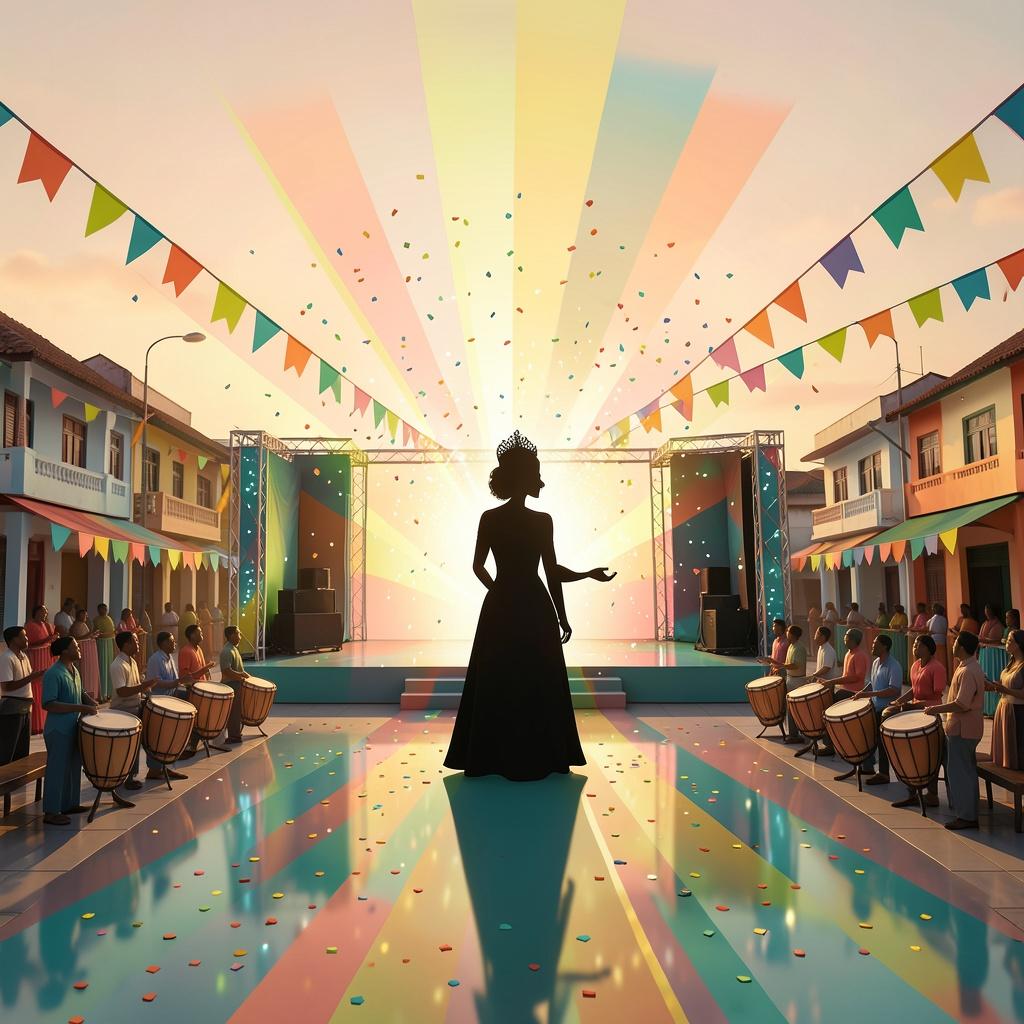
Use that scene to make a festival track with Suno. Build it around an outdoor field, a dry handclap in close focus, a low pulse arriving after a gap and a broad refrain held back until the stage fills the frame. Set the pace, leave the middle open around a welcome and bring the widest lift when the lights widen the image. Choose the sound that answers the pulse, perhaps a bright guitar figure or a held chord. Leave the final bars spacious enough for the handclap to return beneath the broadest lift.
Frequently asked questions
- Why does a festival track feel smaller when every layer arrives at once?
- Because volume and density do not create scale by themselves. A kick, sub bass, chord, chant and crash in the opening leave no room for a later lift. Hold back one or two high-impact elements. Let a short handclap or rim pattern establish the pulse, then bring the broad bass in after the ear has settled. A host's welcome and the crowd's first response need room too. The eventual release feels bigger because the broad bass and full chord still have a later entrance.
- At which moment should a festival arrival open into its widest section?
- Open the widest section when the picture reaches its broadest view. Detail shots of a wristband, a shoe on grass or a light coming on suit a leaner passage with one clear rhythmic mark. Widen the bass, chord bed and repeated figure when the camera or crowd reaches its broadest view. If a host is speaking, wait until the final important phrase has landed. For a montage, carry one pulse through the cuts and save the fullest lift for the frame that gathers stage, people and sky together.
- Could a dry handclap work beneath a festival welcome?
- Yes, if its edge stays brief and its pattern leaves air around the words. Place it near the front of the rhythm and keep the surrounding chord bed light. Let the low pulse wait until the welcome is established. The handclap can stay clear in a wider passage without taking over the middle. When making the track, include the outdoor setting, the handclap's dry attack and the delayed pulse. Then build the broader lift around them.