Violin
Follow a violin from a low, grainy entrance to a high note that leans past the beat. The bow can give the instrument a rough attack, snap into a double-stop accent, sustain a line above the harmony or answer another voice. With Suno, describe those choices directly. Let the phrase drag, spring or hover, and leave enough space in the arrangement for those movements to come through.
Showing 18 of 18


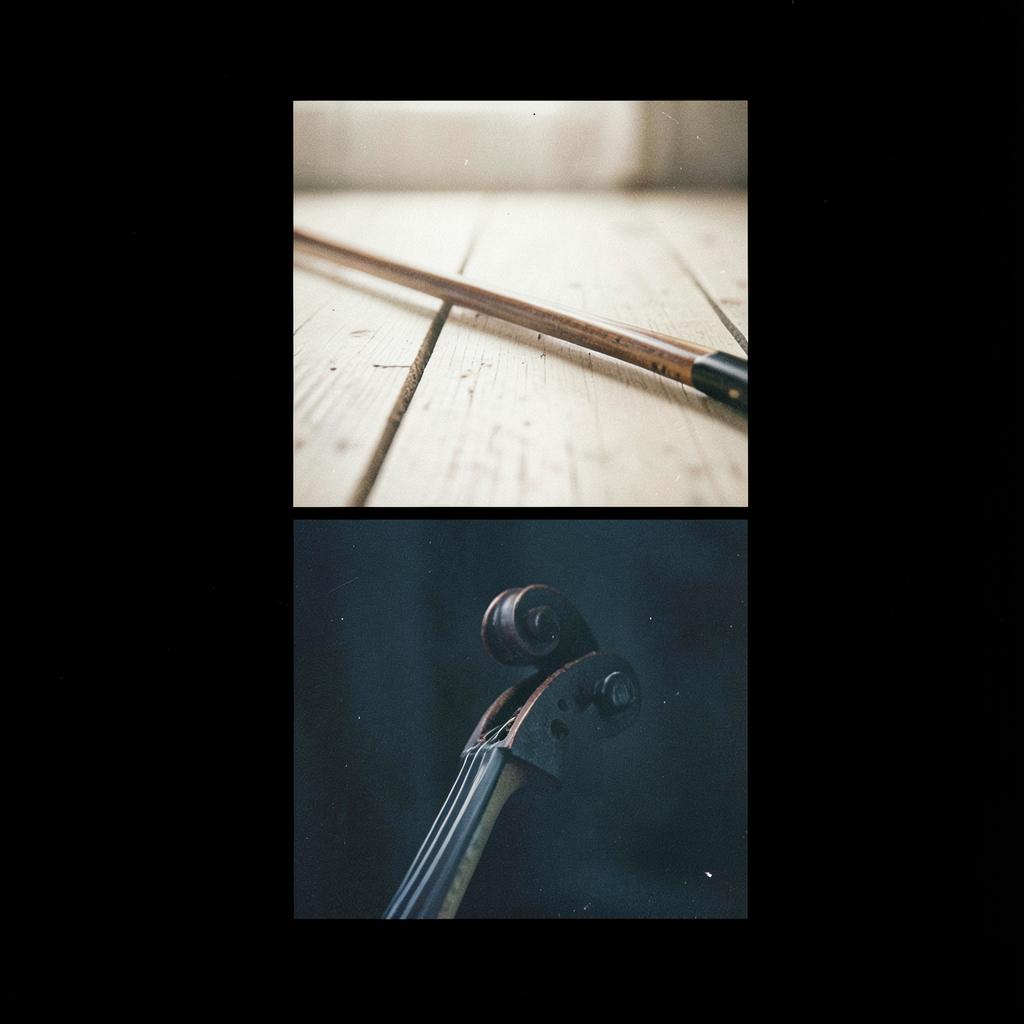
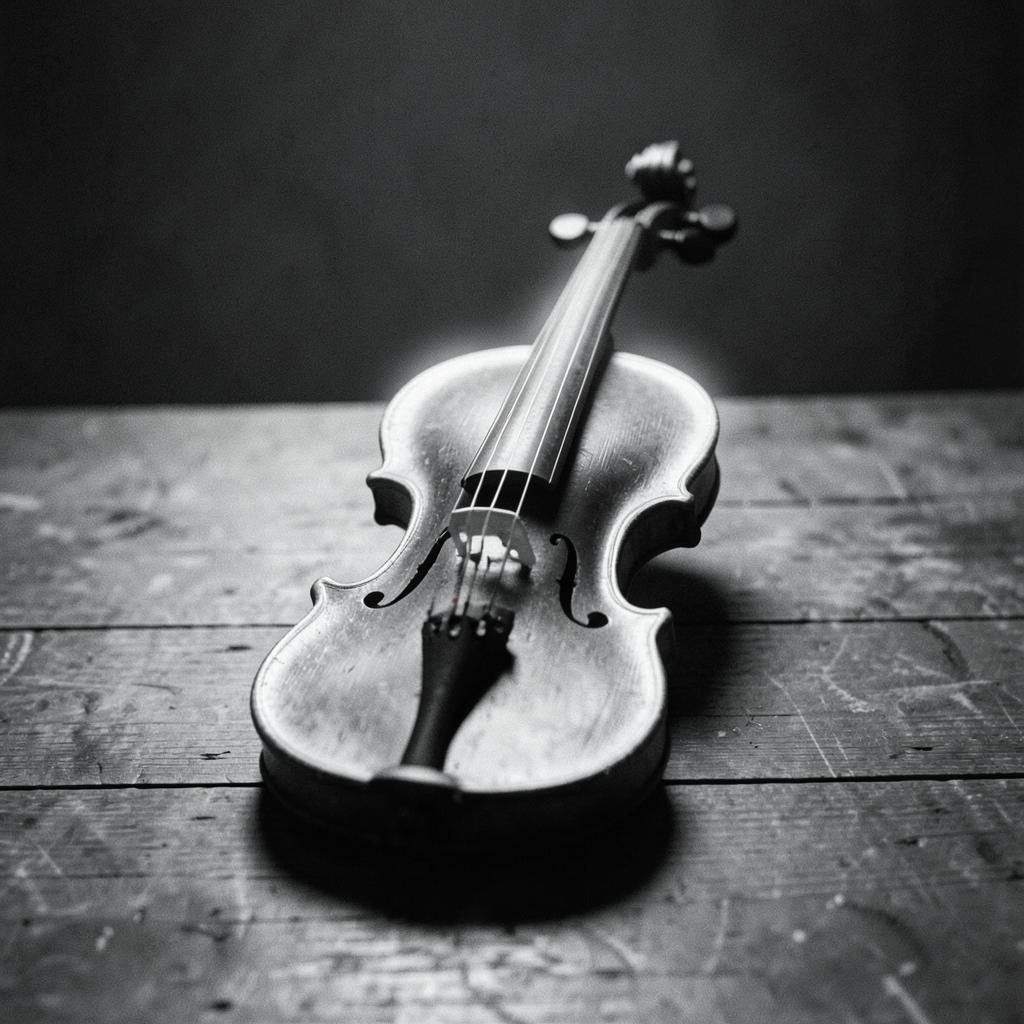



Klezmer makes the entrance part of the melody
In klezmer, the attack often gives a violin phrase its character. A scoop can pull the note upward. A short turn can circle the pitch and a sigh can ease the bow into the next beat. These gestures bring the line close to speech without making it imitate a voice. In a freylekhs, ornaments often ride a buoyant dance rhythm, so quick bends and clipped replies keep the dance moving. A doina often opens more room for breath, held tones and pauses that loosen the sense of regular time.
Describe the bow's articulation before adding a broad mood word. Start with a grainy entrance, a narrow scoop into the note and a turn that lands just before the pulse. Place a clarinet in the answer if a reedy exchange suits the arrangement, or keep the violin alone against a low drone so each bend has room. Timing, ornament and bow pressure shape the style. A bright upper-register cry and a low, pressed reply can belong to the same passage when the bow changes weight between them.
Violin pulse lives in the bow
The bow communicates speed through the body before the mind registers it. A quick pulse asks for shorter strokes, lighter lifts and entrances that land close to the beat. A loping groove lets a long note sit behind the beat before moving into the next step. At a slower pace, the bow can travel farther across the string, letting the phrase carry weight through the silence. Register changes the sensation too. Low notes can be felt in the ribs, middle notes can keep a melody conversational and high notes can push the line toward the edge of the sound.
Describe the bow's motion with physical verbs. The lead can press into the first beat, skip across the next two or drag behind the cadence. Use short, separated strokes in a dancing passage and a longer bow across the return. Repeated notes can tighten the hand's sense of momentum, while a held tone can widen the space around the rhythm. Low accompaniment and restrained percussion keep the violin's attack clear. A busy backing pattern can turn the same figure into texture. Give the lead air around its entrance and the answering part a clear gap. Match the bowing pattern to the ostinato's repeated shape.
Bowing details shape the violin phrase
A grainy scoop over a loping pulse can lose its character when the description names only a violin and a mood. The details need to be physical. Have the lead enter with a narrow upward scoop, use short strokes through the verse, hold a high note across the cadence and then drop into a lower answer. That gives the phrase a clear articulation, a register path and a place to change.
Carry the same logic into the arrangement. Use a clarinet to echo the ornament, a low drone to steady the pulse or a restrained drum part to keep the bow's attack clear. A scooped violin entrance can suggest how the line should move. A track made with Suno still needs its own bowing details. Choose a cadence that drags, lifts or stops cleanly, then give the high note a clear space for the answer. For a charged return, add tremolo under the rising line. For a spare passage, let the held note hang over an uncluttered bar.
Frequently asked questions
- Must the violin always sit above the rest of the arrangement?
- The violin often leads. It can also sit inside the harmony, answer a vocal phrase or double a low figure to add texture. A lower register and a darker bow attack let it support the track while keeping it present. Short replies create space for another lead, while a sustained note can bind the harmony across a change. Its role depends on register, articulation and the room left by the surrounding parts. Leading from the front is optional.
- What happens when a violin plays a double stop?
- A double stop sounds two notes at the same time on two strings. In a bowed double stop, the bow is set across both strings so both notes sound together, giving the line added harmony, a thicker attack or a tense interval. Players may use it to outline a chord, reinforce a cadence or make a held note feel wider. Its balance changes with bow pressure, string crossing and register. A few double stops inside a quick phrase can mark an accent, while sustained double stops can make the harmony feel close and physical.
- How does a doina change a violin phrase?
- In klezmer, a doina often frees the violin phrase from a regular pulse, with held notes, pauses and bends that can feel closer to speech than to a repeating dance figure. The phrase may linger on a pitch, then fall into an ornament or answer itself in a lower register. That freer phrasing can sit beside buoyant dance passages while keeping its own space. The line can unfold with space to preserve that contrast.