Harp
Start with a bare harp pluck. The upper strings flare while the low register settles underneath. Those details give a maker concrete choices for a track in Suno, such as a close solo line, a loose ring after each note or a repeating figure that leaves the melody room. Harp's identity lives in touch, range and decay. An arrangement gives those details room to work.
Showing 15 of 15
 1:06A Flowing Instrumental Built Around A Resonant Harp, With Cascading Arpeggios And Delicate Plucks Setting A Tranquil Foundation. Subtle String Pads Swell Beneath, Supported By Light Percussion And An Airy Woodwind Countermelody
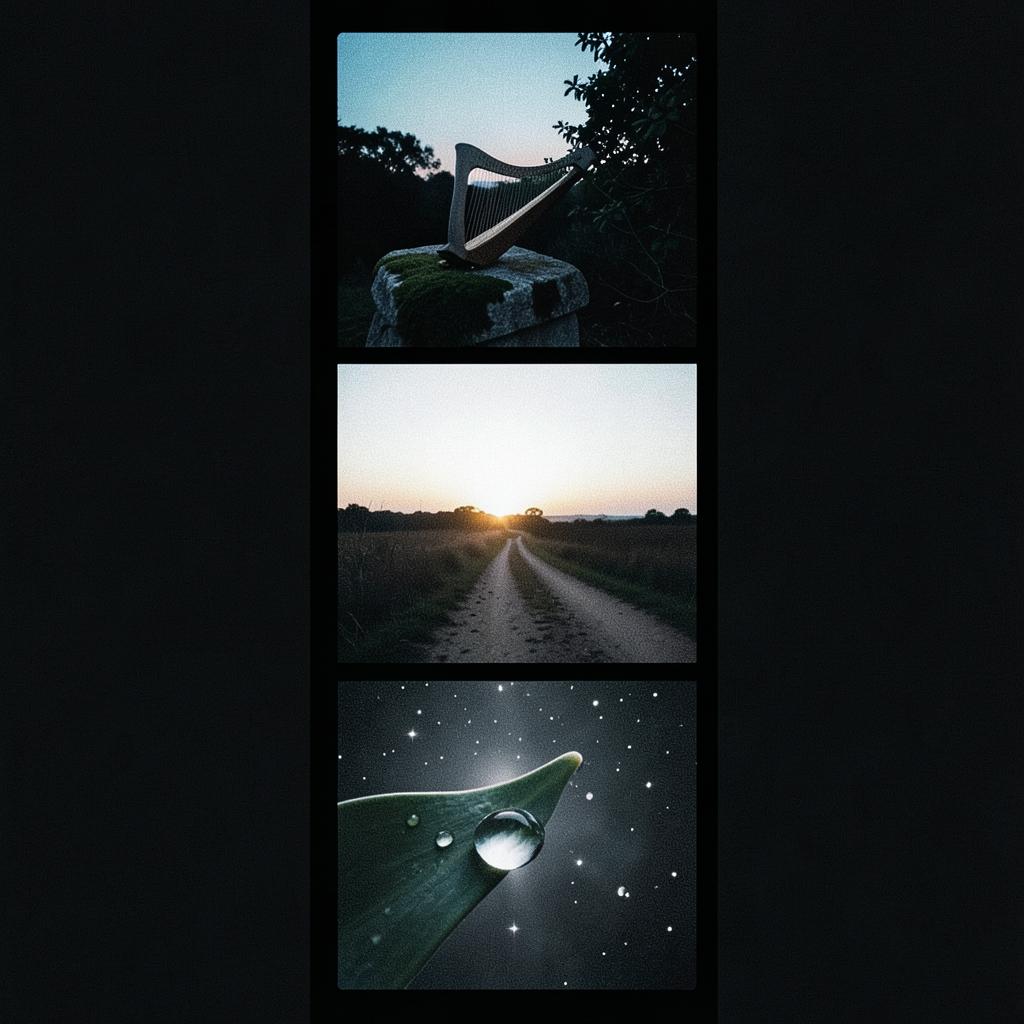

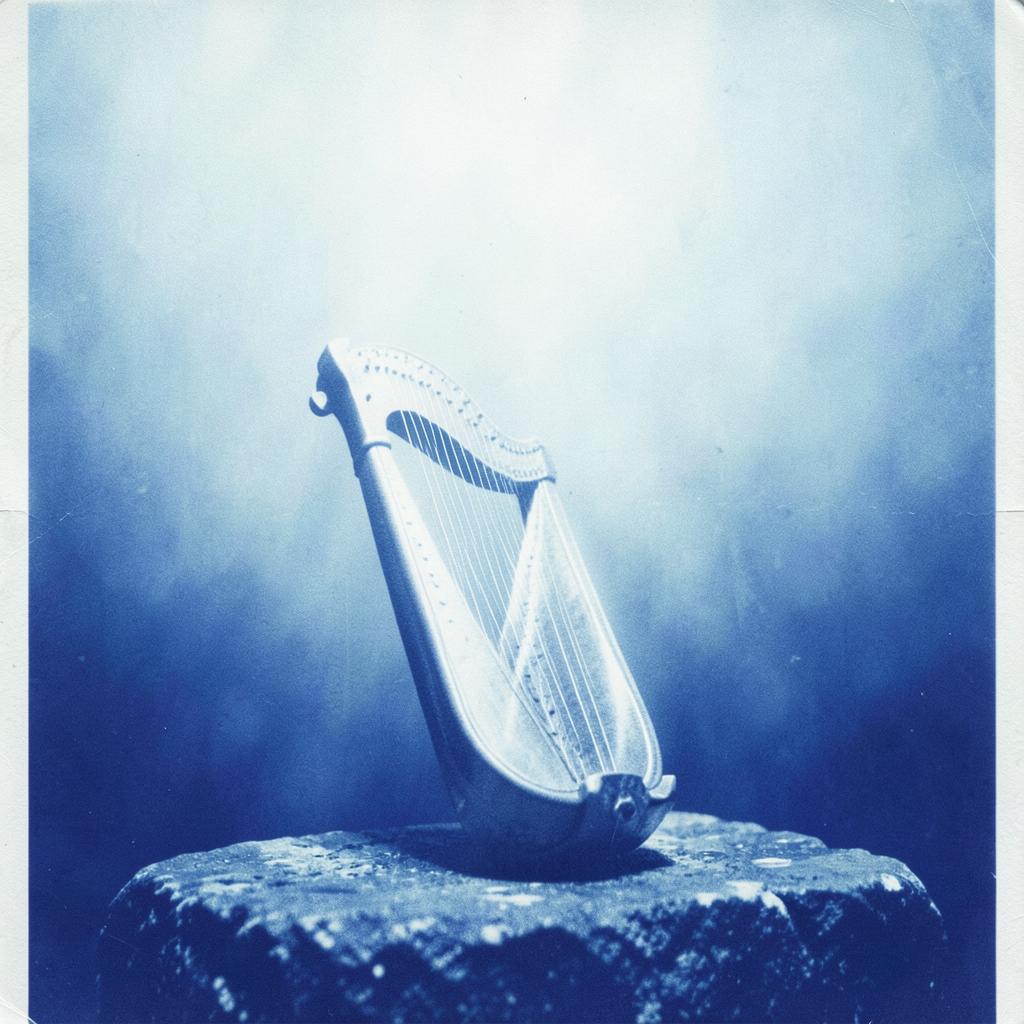




Harp and voice find space by register
When a solo singer sits in the middle register, the harp has limited room around the voice. High notes work best as answers at the end of a phrase. A constant shimmer crowds consonants and makes every line feel equally bright. A lower figure supplies weight without copying the melody. A few ringing notes around the voice, a chord tone held after the phrase or a quiet answer in the gap suffice. With a group vocal, the harp often thins a dense chord, reinforces a shared pitch or climbs only when the singers open out.
Without a singer, the strings take on the job of marking arrival, suspension and release. A small repeated figure establishes motion. A wide glissando marks a change. A single high note keeps the melody leaning forward. Register also changes the singer's apparent distance. Close middle notes make a voice feel near. Bright upper notes leave the line exposed. Low tones support a low vocal delivery or an intimate one. Lyrics add another layer of phrasing. Write them in the language that gives the phrasing a natural swing, and leave room for open vowels to ring through the texture. Tighter syllables suit shorter answers and more articulated plucks. Attention moves from one layer to the next. Sometimes the voice leads and the harp replies. Elsewhere the instrument carries the phrase alone.
Attack decides how the harp sits in a mix
A listener hears the harp's attack before recognizing the chord. A dry pluck lands close and leaves a clean gap. A rounded, ringing touch spreads beyond the beat, especially in the upper register. That difference decides how much room the other parts receive. A frame drum or brushed pulse masks the low strings first, so a bass figure needs fewer notes or a higher placement to stay clear. A sustained pad blurs the middle range. Lighten the pattern, widen the spacing or add a short climb to keep the pluck distinct. Surrounding parts shape that choice. The harp often feels intimate when its decay is exposed and more forceful when repeated notes compress the spaces between attacks.
Low notes give a pattern mass, middle notes clarify harmony and high notes catch the ear above a dense texture. Let a bowed tone sit underneath and the harp's attack stands out. Place it beside a sustained vocal and the decay becomes part of the phrase, especially when the singer leaves a gap after a line. A glissando has more impact when one change gives it room to stand out. Tighten a repeated figure for forward motion and let accents arrive in uneven groups. For a suspended passage, widen the gaps and let the last note fade.
One harp gesture leads the arrangement
That clean gap after a dry pluck is easy to lose when too many harp cues compete. Writers often stack glittering arpeggios, a sweeping glissando, a low ostinato, dense percussion and a huge vocal lift. The pile of cues describes color without giving the instrument a job. Give the harp one responsibility and place the other parts around it. In Suno, use dry upper register answers around a close solo voice and hold back low notes for the lift. That choice sets the attack, register and vocal space without dictating every detail.
For an instrumental passage, give the pattern a structural job rather than a pile of adjectives. A low note marks the start of a section. A narrow midrange figure carries the pulse. One glissando widens a single change in color. Set the energy as restrained, gathering or brightening, and choose a dry fingertip, soft brush or long ringing sustain. If another part occupies the same register, move the harp above it or leave deliberate gaps. Reserve the brightest gesture for a change, with the opening attack, vocal space and decay still clear.
Frequently asked questions
- Which harp touch keeps a chord close and dry?
- Dry plucking keeps the attack close and leaves a clean edge around each note. Damped strings shorten the ring and help a repeated figure sit inside a busy arrangement. Harmonics sound glassier, especially high above a quiet middle register. Arpeggiation spreads a chord across time while a glissando sweeps through a change in color. Choose the touch by role. Use exposed and ringing notes for air, clipped notes for definition or blended notes for a softer bed.
- What makes a harp pattern feel restless at a steady pace?
- Urgency comes from activity as much as speed. A moderate pulse feels restless when short figures repeat with little empty space, accents arrive off the expected beat or phrases overlap at their edges. Low notes add weight. Too many mask the attack that makes the harp feel quick. Keep the upper register open for lift, then tighten the pattern when the arrangement needs pressure. The effect depends on density, articulation and the parts sharing the spectrum.
- Does a harp arrangement usually resolve with a chord or a fading figure?
- An arrangement often opens with a single pluck, a low anchor or a compact figure that establishes the instrument's pace before the full harmony arrives. The close often returns to that idea with fewer notes, lets a high tone ring past the pulse or widens into a final glissando. A firm chord gives the phrase a settled ending. Sparse decay leaves it suspended. The choice follows the track's density, vocal presence and final gesture.