Flute
When a melody needs air and rhythmic stability, listen for a flute entrance beneath a held chord, after a quick breath or in a bright upper phrase. Each choice gives the line a different role. With Suno, keep the sound close and grainy, let it sit above the rhythm or have it step forward with the melody. Register, attack and phrasing place the line in the arrangement.
Showing 18 of 18



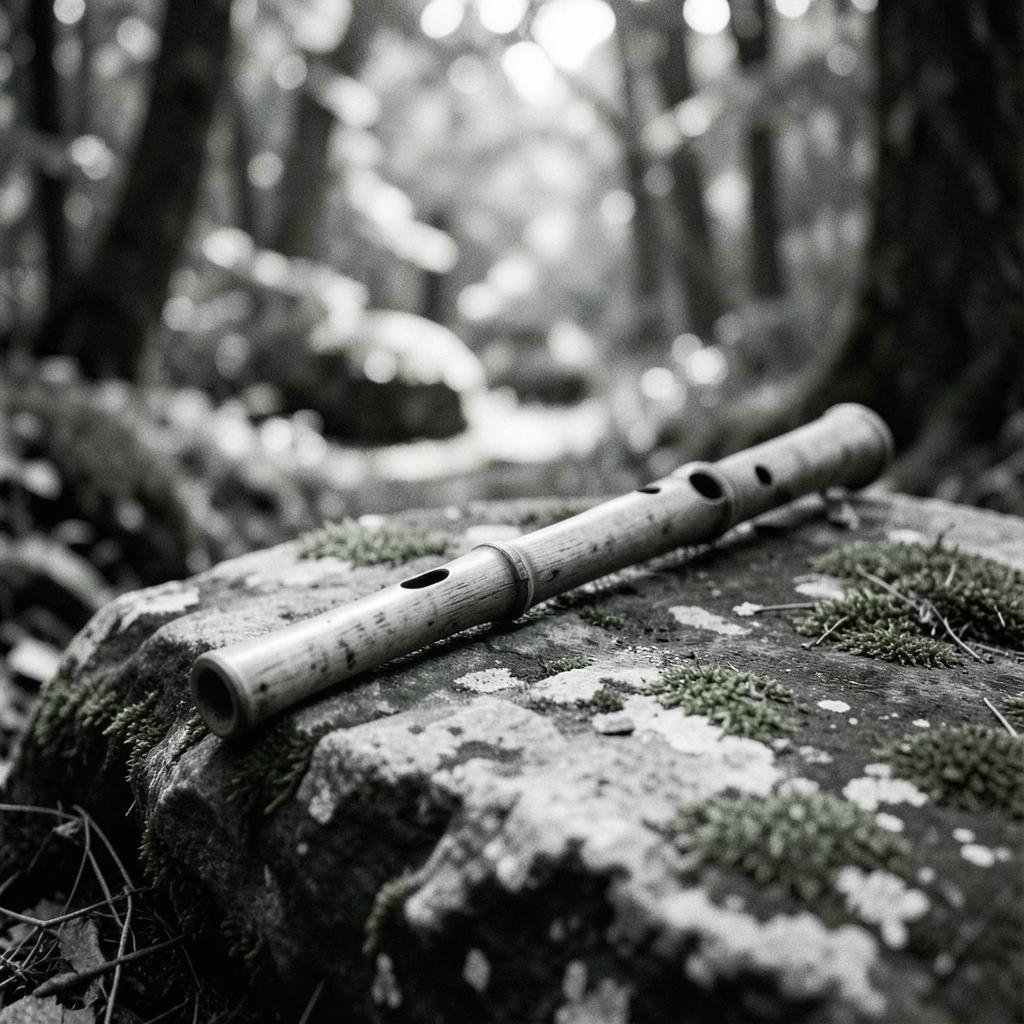



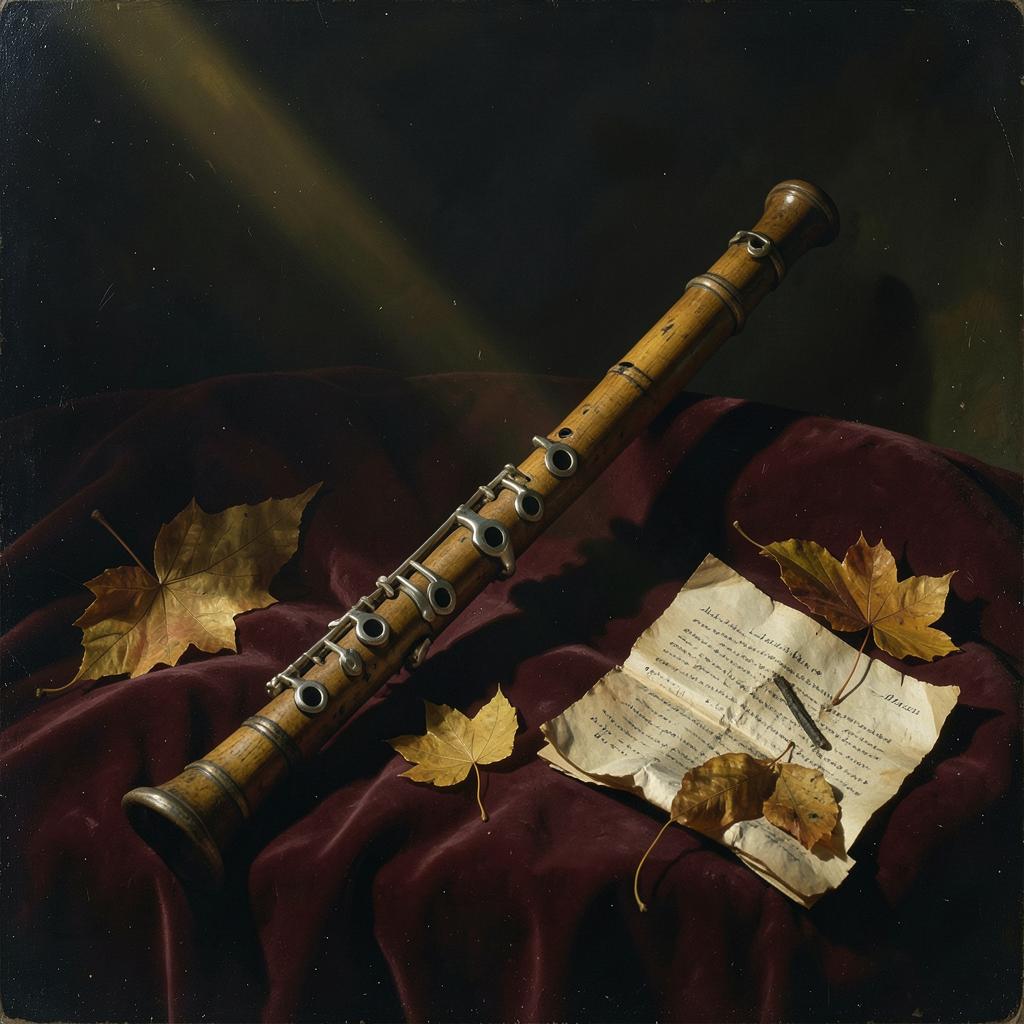



Flute lead or answering phrase
A flute line with breath in its tone comes forward when it carries the main contour. Give it a clear path in the middle register, a few rests for breath and enough harmonic space for each phrase. Rising into the upper register sharpens its edge, while the low register brings a rounder tone and more weight. A lead part needs room for the ear to follow. A held pitch after a short figure gives the entrance a deliberate feel, especially when the accompaniment leaves a clean pocket around it.
Behind the melody, the flute can answer while the main contour stays in front. A two-note answer after a sung phrase, a soft thread above plucked strings or a small ornament at the end of a line gives the flute a precise job. Breath at the front of the tone keeps the part close to the ear. Use a cleaner attack when it needs to cut through. A register can change character with the setting. Low notes under a spare texture feel grounded, while they recede inside a busy middle range. For a different melodic exchange, a cello line shows how a featured instrument gains weight through register and sustain.
Pulse arrives through breath and spacing
Tempo depends on the gap before a note as much as on the note itself. A clipped run feels quick, especially when its accents bounce against steady accompaniment. Connected notes stretch the same contour into a longer gesture. A phrase that starts just ahead of the beat leans into motion, while a late entrance feels settled. The timing depends on how the parts meet, so make the spacing clear and let the attack work with the backing.
Give the line a pulse of its own. Short repeated attacks can sit over hand percussion, circle above a drone or press against a grounded bass figure. Rests are part of the rhythm. Leave a breath before a high note to prepare the rise. Drop to a low tone after a busy run and the phrase settles. For a passage that should stay suspended, lengthen the tone while the backing moves underneath it. When the line needs more alertness, tighten the spacing and use a small repeated figure.
Low register, high note and soft landing
A low flute note gives the arrangement a starting point. Begin with one breath-marked phrase over still accompaniment, then move through a clipped pulse into a higher answer. Leave the first entrance unhurried and spare. As the middle gathers, tighten the spaces, then let the brightest note stand out briefly. End on a lower tone with softer attacks, letting the pulse relax around the final breath.
With Suno, shape the arrangement from a low opening through a light pulse to an upper-register peak. Keep a clean pocket around the first phrase, shorten the gaps as the line gains urgency and thin the backing around the high note. For a greeting-like passage, place a brief melodic answer after the opening phrase. For a more driven passage, keep the attacks closer together and put the upper notes in front. End with a low answering note, a fading pulse or one clear breath.
Frequently asked questions
- Why can a flute feel grounded beneath its breathy surface?
- Breath is only one part of the flute's sound. The lower register has more body, especially with a firm attack, a slower phrase or open harmony around it. The upper register brings brightness. A gentle entrance can keep that brightness soft. Tonguing, vibrato, spacing and the surrounding arrangement all change the result. A flute line can feel earthy over a low drone, clear above sparse chords or urgent when short attacks crowd the pulse. Airiness is one part of that wider range.
- How does a flute trill work inside a phrase?
- A trill moves quickly between a principal note and the neighboring pitch. It often enlivens a held note, leads into a cadence or marks the melody's re-entry. The surrounding phrase determines how much attention it gets. A brief trill near the close of a line adds emphasis. A long repeated trill creates a stronger texture and may pull focus from the melody. Grace notes are shorter gestures that brush the main pitch as the phrase begins. Use either ornament for a clear musical reason.
- What gives bansuri phrasing its gliding character?
- Bansuri refers to a side-blown bamboo flute used across North Indian musical settings, including classical performance. Players often shape its lines with slides, bends and small grace notes, keeping the breath close to the pitch. A sustained drone leaves room for those movements, though the accompaniment and repertoire change the result. For this sound, keep a spacious pulse and an unhurried glide around the melody. Keep the supporting parts light enough for each bend to remain clear.