Trumpet
A tightly tongued brass note lands with a clean front edge. A saxophone in the same rhythmic slot may let breath lead the phrase, depending on the player and the phrasing. That difference gives trumpet music a range of textures. A plunger mute often narrows the bell's opening. An open note broadens the line and a high register often adds lift. These shifts are separate choices. A brass detail can organize an arrangement. The room and articulation shape the rest.
Showing 18 of 18



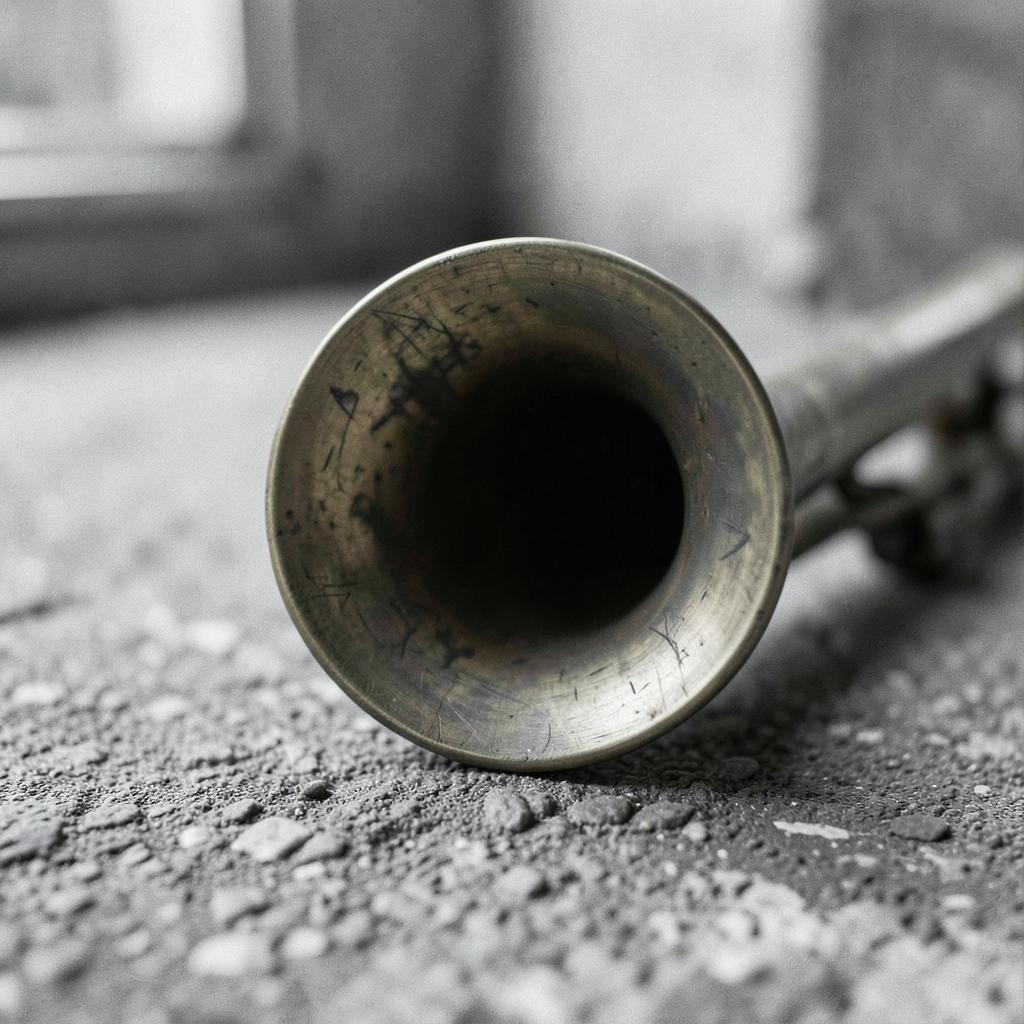

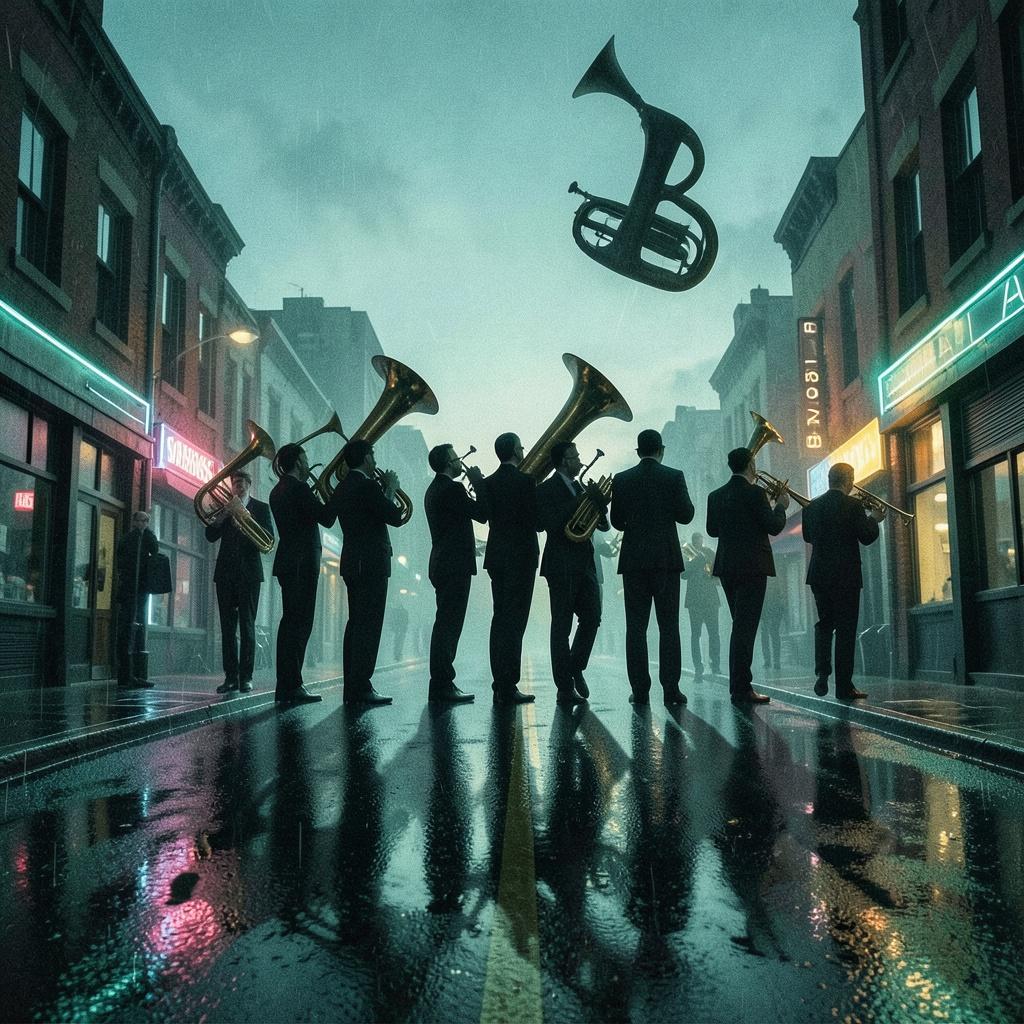












Tongue and breath put weight into each brass beat
The first tongue stroke gives the beat physical weight before tempo is measured. A crisp tongue puts the note close to the beat, while a softer entrance lets the phrase lean behind it. A short rest pulls the next attack forward. A long hold opens the space between beats without speeding up the tempo. Repeated offbeat figures make the brass feel buoyant, while a run of even notes can make the same pace feel squared and ceremonial. Valve bends matter when a line runs through a fast figure, though the ear first catches the front edge, the note length and the air after it.
Those details shape how the music moves. A dry staccato trumpet answer over a loping bass figure keeps the pulse close. A relaxed horn entrance after the backbeat lets the phrase lean. A fanfare shape gains lift from longer notes and clean gaps. Double tonguing keeps a quick figure articulate when the arrangement is already busy. These choices shape motion without fixing a pace. Keep the groove steady, use the sharper tongue on the pickup and leave a pocket after the final burst. The next bar arrives with room around it.
The trumpet bell sets the ensemble's sense of distance
A plunger mute often makes a brass note feel closer. A cup mute rounds its edge, while an open bell sends a clearer brass sound through the room. The player's attack and the note's register still matter, so the same muted note can sound close in a dry room or more blended in a long reverberant tail. Low notes often sit in the middle of a texture. A high entrance rises above it when the other parts leave room. In a dry room, the tongue stays easy to hear. A longer tail blends its edge into the surrounding sound.
Texture changes when the horn shares a line with other brass, doubles a bass figure or answers a sustained chord. A muted part beside soft electric piano keeps the muted color narrow. A bright open phrase beside trombones gains weight as the brass sounds combine, even if the rhythm stays spare. Let the bell's color arrive before adding another layer. A thin unison clarifies the line, while staggered entrances spread the brass across the room. The mute, register, attack, note length and surrounding parts determine where the horn sits in the ensemble.
Inside a dry room, the first valve note
The dry room keeps a clipped trumpet entrance close to the bell. Let the first sound be a low, lightly tongued figure with a short rest after it. Next, a plunger-muted note brings a covered tone. An open note in a higher register follows. Keep the bass and percussion spare until that note has released. A soft brass layer can fill out the background without covering the first phrase. With Suno, specify the room, the order of the entrances, the mute, the register and the length of the held note. Those details keep the first note clear against the backing.
The sound changes as the note opens. The first phrase stays dry and close. The second sound has a covered edge. The later note has open bell color and a longer tail. Leave a small pocket after the high note so its release stays clear of the backing. If the band is dense, shorten the muted answer or move it lower. If the brass is sparse, let the held note linger and bring the supporting parts in one at a time. The open bell sits above the group. Keep the valve work quiet and leave a little room after the release.
Frequently asked questions
- Can a trumpet line and a saxophone line phrase the same staccato figure differently?
- Yes, because the front edge of a staccato note depends on articulation as much as on the instrument. A trumpet line may use a clear tongue and a compact release, while a saxophone line may let the reed and breath show in the same rhythmic slot. Either player can choose a crisp or softer attack. Compare the note's opening, length, register and the gap afterward. The phrasing decision matters more than assigning one horn a permanent advantage.
- Why does a plunger mute make a trumpet feel closer?
- A plunger partly covers the bell, so the tone often feels more closed, nasal or near the player. The result changes with how far the mute sits from the bell, the attack, the register and the room. A soft tongue emphasizes the covered color. A firm tongue keeps a sharper edge inside it. The effect is a texture choice, and its apparent distance shifts with the arrangement. Leave a gap before another brass part enters, so the muted phrase stays legible beside the backing.
- Where should a high trumpet note enter above a busy brass line?
- Let the high note arrive after the lower figure has established its rhythm, with a gap or lighter layer around the entrance. A crowded unison can hide the register change. A delayed arrival lets the new pitch stand out. The exact place depends on the backing and the note's length. Shorten the support just before the entrance, keep the attack clean and leave space after the release. That spacing gives the upper part a role without adding extra volume.