Saxophone
A saxophone line can begin with a dry reed attack beside the beat, then open into a ringing bell tone that carries beyond the rhythm section. With Suno, treat that change from close attack to open bell tone as part of the musical shape. Choose the register, tonguing, breath and how much space comes before the first phrase. Alto, tenor and baritone voices change the weight of the same idea. A bend, fall or held note can turn a plain melody into a speaking part.
Showing 20 of 20
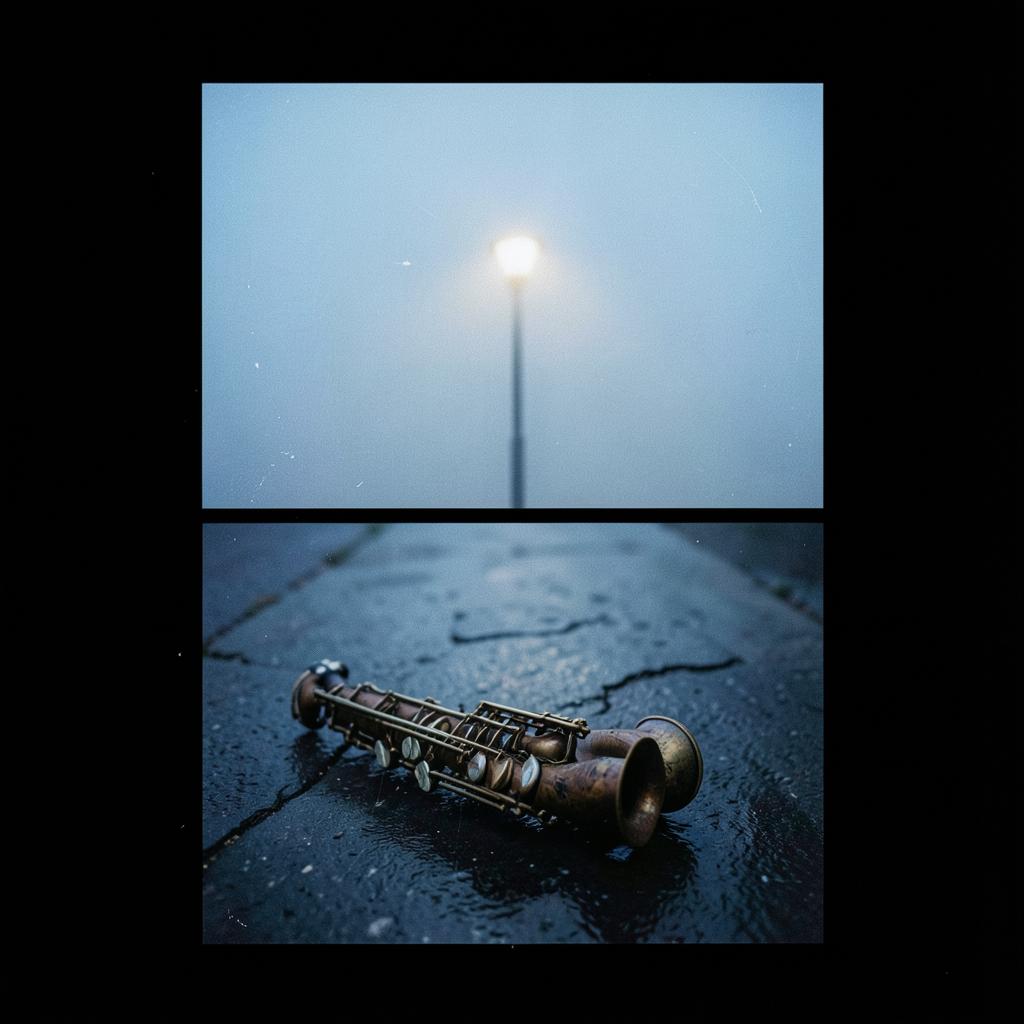
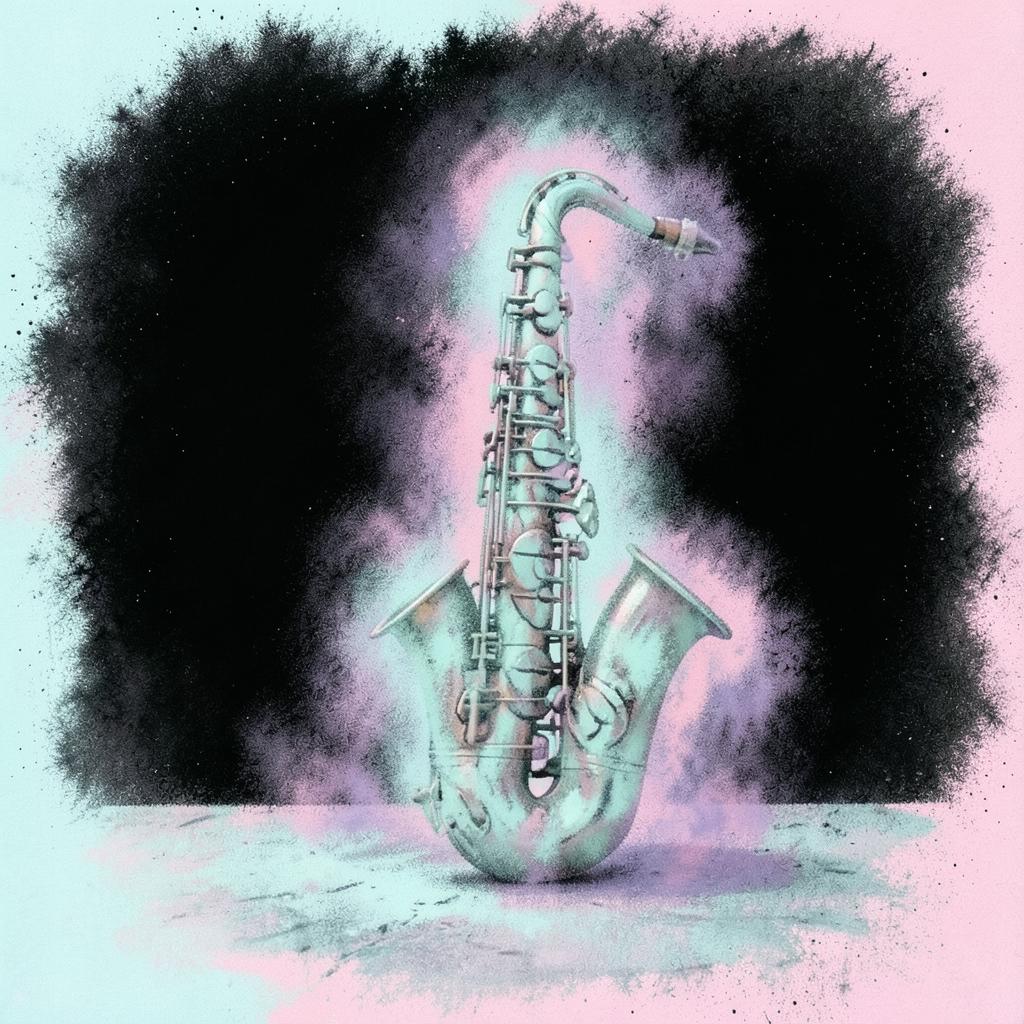


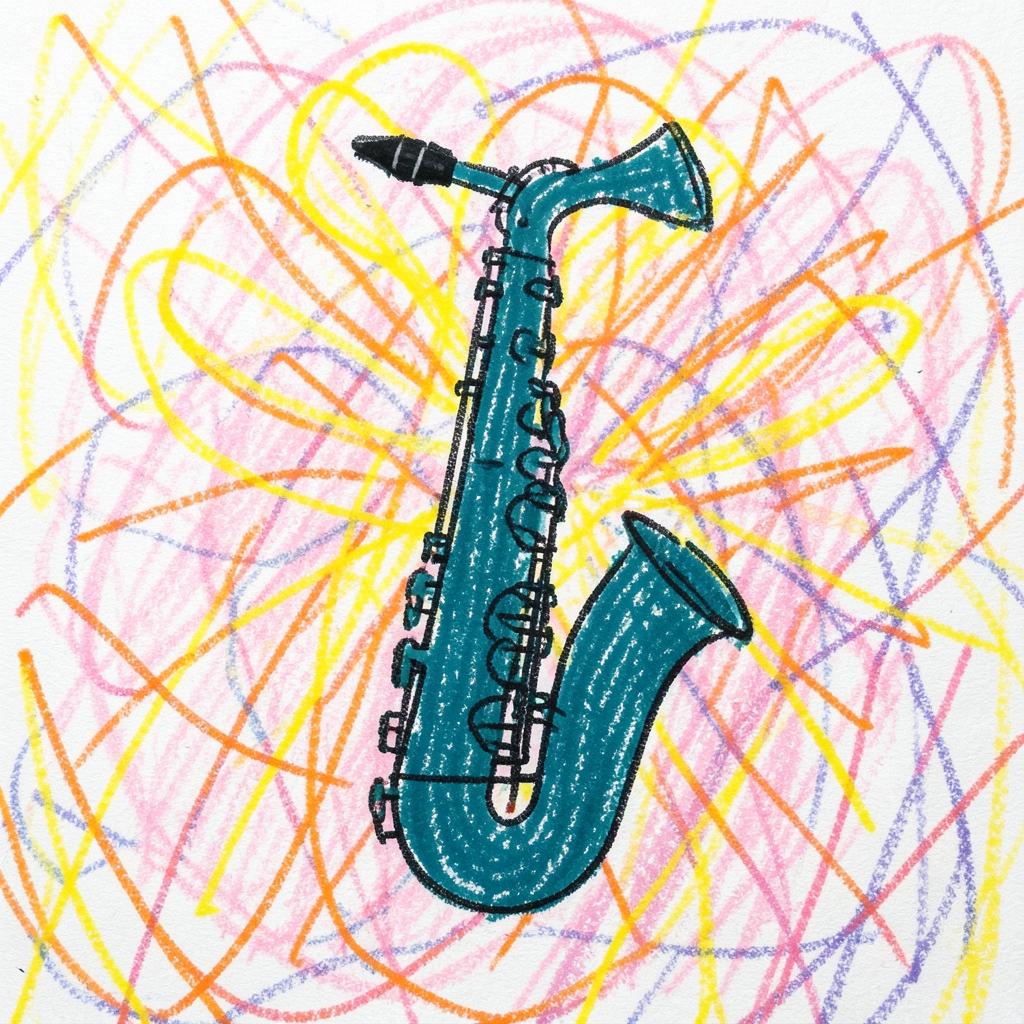





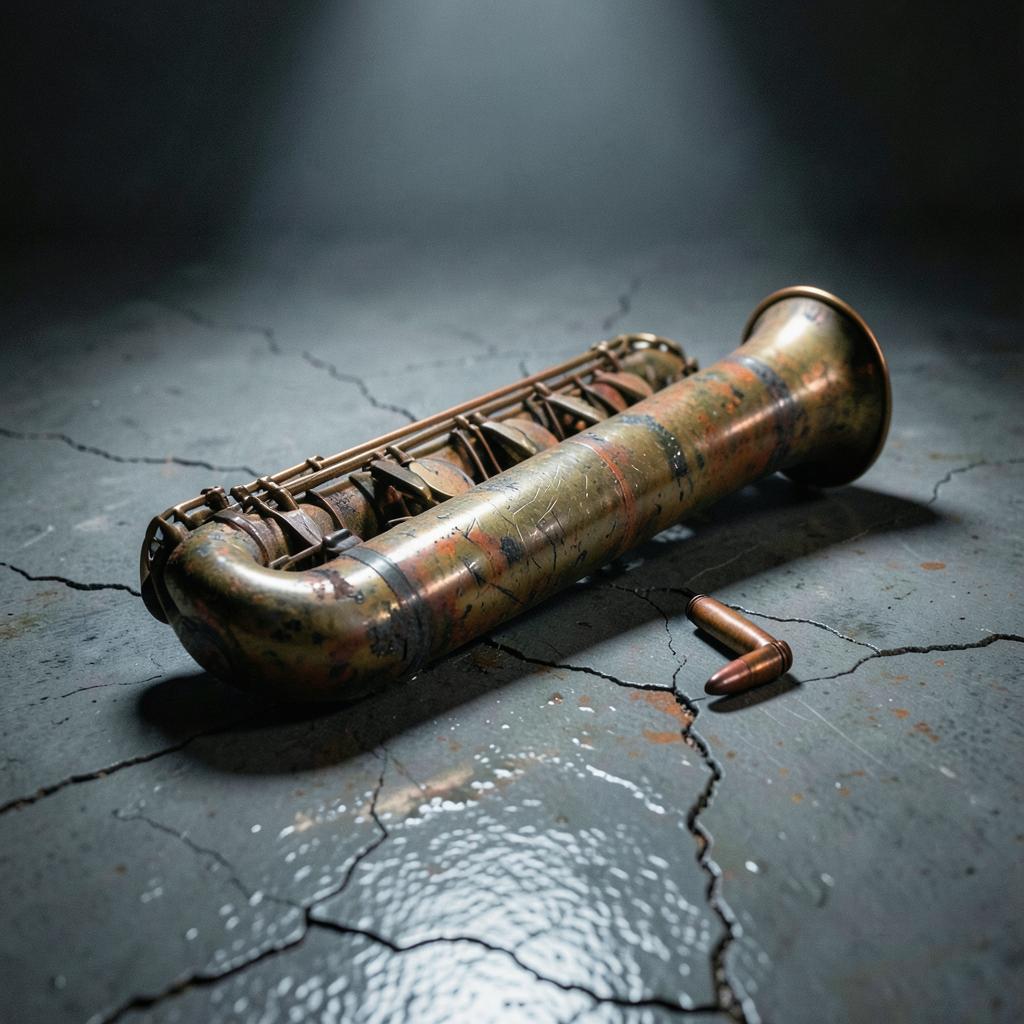






Saxophone tone starts at the reed
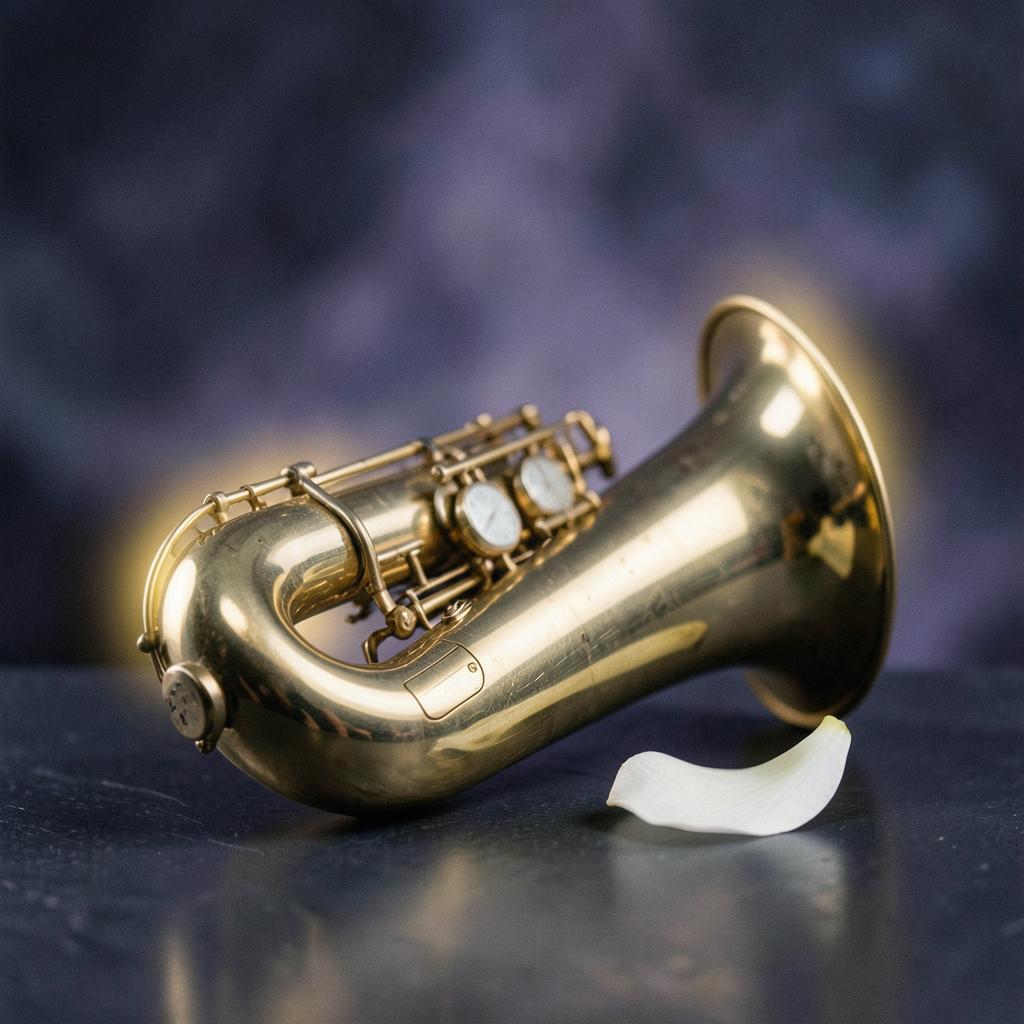
A saxophone loses its character when every entrance is loud and forceful. The instrument has a brass body. Projection begins with a single reed driving the air column through a conical bore to a flared bell. The bell helps shape how the sound radiates. That chain gives the tone grain and body, while the arrangement leaves enough space for those qualities to come through.
Place the low register beside the bass and kick, and keep it from dominating them. Let the middle register carry the main idea, then save the upper register for a reply or lift. Tongued attacks define a syncopated figure. Legato joins a longer line, while a scoop or fall marks a phrase ending. A little breath noise can color an entrance or held note. Across every pitch, it softens the rhythm and leaves the part vague. Short rests let the reed bite land, and a changed register on the return keeps the phrase moving.
Afrobeat lets the horn ride the groove
An Afrobeat saxophone line often lives inside a long, interlocking groove, with drums, bass, guitars, percussion and horns repeating small cells that gain force through accumulation. A saxophone part often answers another horn, holds a short riff across the barline or steps forward for a longer improvising passage. Its character comes from placement as much as pitch. A dry tongue locks onto the percussion. A held note can rise above the pattern. A bend gives the return a vocal quality without turning every entrance into a flourish.
The surrounding rhythm determines the line's effect. Keep the bass clear under a low saxophone phrase and leave space after a repeated call. Bring in the upper register for a specific moment rather than using it throughout. In a dense arrangement, a narrow repeated figure is often clearer than a continuous run. In a leaner one, the bell's resonance and the note's release have more space. Afrobeat supports several arrangements, from tightly interlocked riffs to broader horn passages, so the balance can shift without losing the style's rhythmic pull. A final repeated cell with a changed attack or register gives the final return a different character.
A clipped call leaves room for the bell
That clipped call, with a pause before the bell opens, shows why naming only a style and a horn leaves the line's behavior blank. A soulful saxophone part could answer the snare, hold a melody or cut through a chorus. Place a low tenor figure under the main melody, use short tongue-led replies after the snare and reserve a breathy upper note for the chorus turn. A repeating horn figure inside a layered Afrobeat groove needs a small change at the end of each cycle.
With Suno, describe those relationships in terms of the musical jobs. Keep the wording directional, since an entrance, note or cue may not land exactly. Pair the register with its action, such as a low tenor with a rounded attack and a two-bar reply or a bright alto with a clipped pickup and a held note at the phrase's edge. Add the surrounding parts only when they explain the horn's job, such as dry drums for the bite, a clear bass pocket for the low line and a brief rest before the bell-led release. That phrasing suits a straight funk pocket or sparse ballad, with the saxophone at the center. Shape the ending as a fall into silence or a held tone above the last chord.
Frequently asked questions
- What puts the saxophone in the woodwind family despite its brass body?
- The saxophone belongs to the woodwind family because a single reed sets its air column vibrating. Its body is usually brass, and its conical bore widens toward a flared bell. The material alone does not define the family. That design gives the instrument a broad register range and a tone that can carry from a woody low edge to a bright upper focus. The reed, bore and bell work as one acoustic system.
- Where does a saxophone line gain character beyond the written notes?
- Written pitches supply the outline, yet phrasing gives the line its character. A convincing part shapes the attack, weight and release of each idea, then leaves rests where the rhythm section can answer. Tongued notes add snap. Legato joins longer phrases, while a scoop or fall marks a destination. Change the register, length or articulation when a phrase returns. Those small decisions place the saxophone inside the arrangement, with the reed's bite serving the groove and each note retaining its outline.
- Inside Afrobeat, what gives a saxophone riff its forward pull?
- Afrobeat saxophone often draws its force from repetition inside a layered groove. A compact riff may lock with percussion, answer another horn or stretch across the barline before returning. A crisp tongue keeps the attack legible. A held upper note or a bend changes the next cycle's color. The surrounding bass and drums determine how much space the line has, so the same figure can feel tight in one arrangement and open in another. Afrobeat accommodates different horn roles, and the repeated cell and its changing accents remain useful clues.