Accordion
A breath from the bellows before a clipped chord gives AI-made accordion tracks their character. Pressure, register and the space between phrases matter when you want a dry midrange figure or a full, reedy refrain in Suno. The sound you study and the track you make are separate arrangements, so give the bellows a fresh job. A loping waltz can let it tick beneath a vocal, then widen into a broad chord at the refrain.
Showing 19 of 19


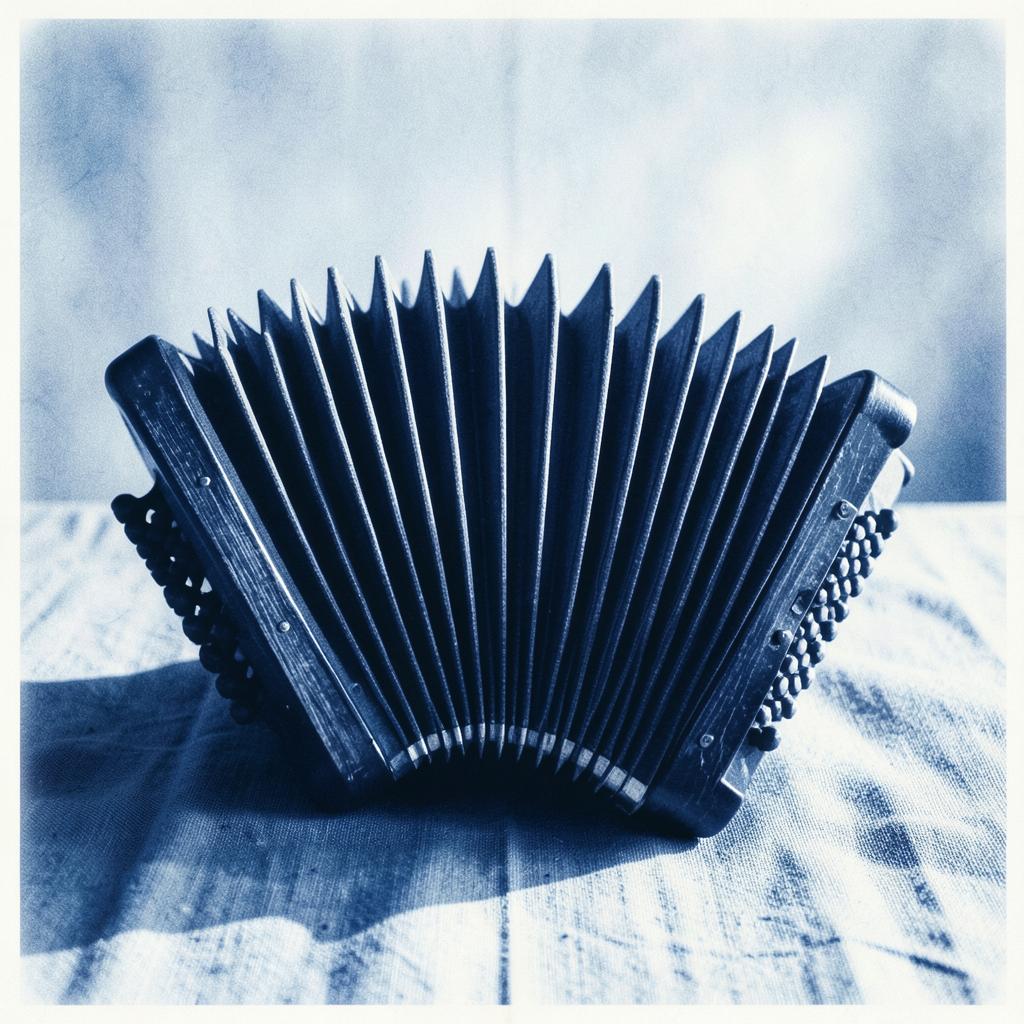










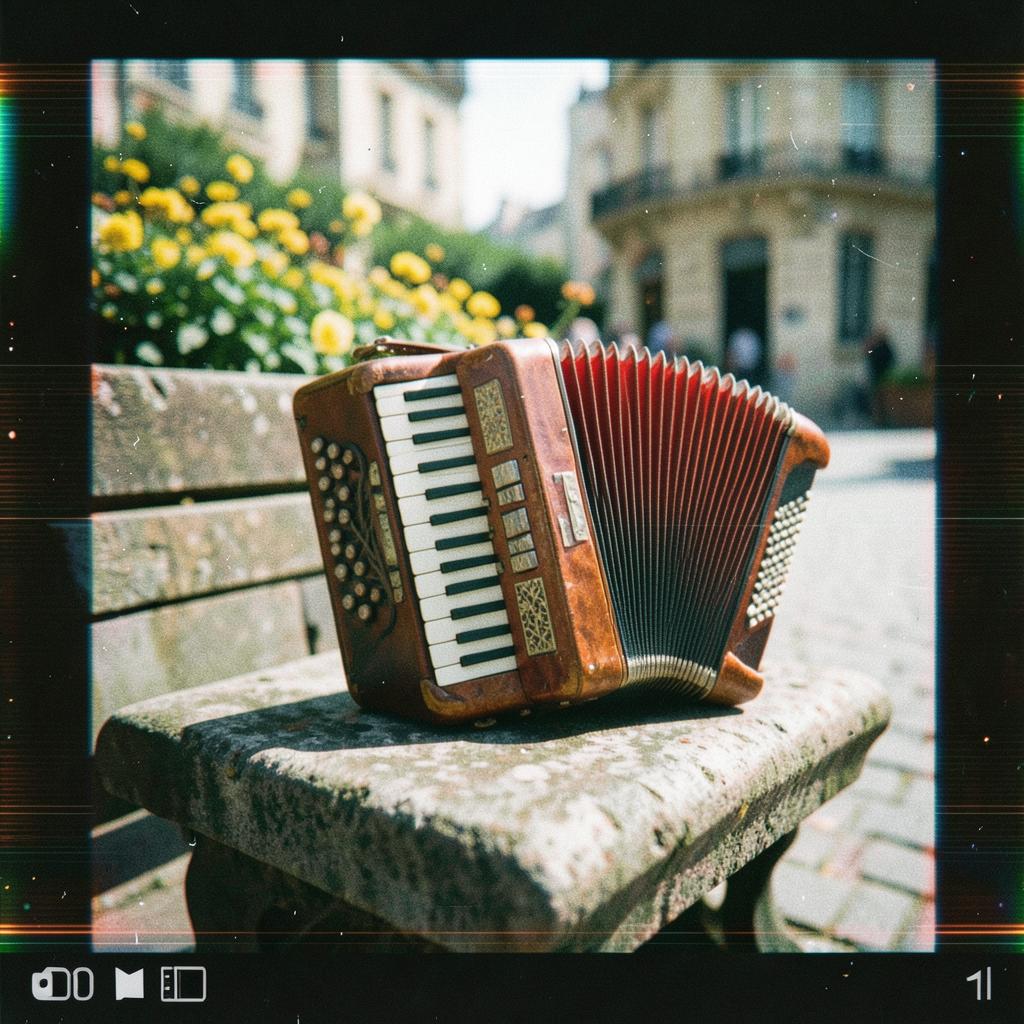




Accordion begins as a cue and ends as an anchor
Give the accordion one job and let that job grow. Begin with a dry midrange figure, short enough for the listener to hear the pulse around it. In the verse, keep the left hand on clipped bass-button accents. Let the right hand answer with a two- or three-note curl. Those two hand movements leave space without asking the instrument to fill every gap. As the harmony opens, lengthen the chords and send the right hand upward. Bellows pressure shapes the arrangement from phrase to phrase.
The refrain is where the registers can meet and the chord shape can widen. A small pocket before that swell makes the arrival clear. After the arrival, a lower reed can anchor the return to the verse. With a waltz feel, let beat one carry the weight and allow the next two beats to glide. On a straight pulse, keep the bass buttons light and let the offbeat stabs supply the lift. The same accordion can lead, answer or cushion, depending on note length, register and how much space the surrounding parts leave around it.
Too many flourishes blur the bass buttons
An eager first pass often keeps the bellows moving without a clear purpose. Fast runs stack over an oom-pah pattern. Every chord lands with the same force and the low end crowds the kick. The arrangement loses its main idea under all that motion. One accent needs to stay clear. Shorten the bass-button push, remove a flourish from the verse and save the brightest register for the refrain. A held tone after that restraint can have more force than another scale.
The bellows come through more clearly when the surrounding groove leaves them room. Let the left hand drop out for a bar before a vocal entrance, or leave the right hand on one note as the rhythm finds its footing. A close, dry reed texture suits a spare opening. Use a longer chord tail and more room around the sound when the chorus arrives. If the arrangement leans into a two-step, place the stabs around the pulse instead of doubling every kick. If it leans into three beats, let the first accent settle and give the other beats room to sway. Listen to the space between phrases. The instrument can then guide the groove instead of competing with it.
A dry bass-button gap precedes the wide refrain
The clipped bass-button push needs a clean breath before the full bellows swell. Settle on three arrangement choices. Keep the rhythm to light offbeat stabs, pair a close reed texture with a low, grainy vocal and make the form begin narrow, open at the refrain and pull back to one held chord. In Suno, pressure, register and space can carry the musical direction. Broad labels alone leave the bellows' job vague. If the verse carries a small market-stall scene, leave the accordion room to answer. That balance keeps the bellows present without filling the arrangement with continuous flourishes.
Swap the light offbeat stabs for a clipped waltz pulse, keeping the close reed tone and the held chord shape. After the swap, listen for whether the vocal gains room. The first beat settles while the refrain widens through longer chord tails, with extra notes held back. If the low register starts crowding the kick, thin the bass-button accent. If the refrain arrives without lift, give the bellows one longer breath before the chord. The difference is clearest in the first beat, the space before the refrain and the length of the final chord.
Frequently asked questions
- Which reed register keeps accordion chords clear in a busy arrangement?
- A midrange reed register usually keeps clipped chords distinct and leaves room for kick, bass and a vocal. Move upward when the refrain needs a brighter edge, or settle lower when held notes need weight. Bellows pressure and note length matter as much as register. A soft, short chord can stay nimble, and a hard attack can crowd the same frequency range. In Suno, choose a dry or rounded texture and give the register a clear job.
- Why does a quick accordion pulse sometimes feel crowded?
- Quickness alone does not guarantee lift. A brisk part gets heavy when the bass buttons, kick and right-hand flourishes hit with the same force, especially in a low register. Leave a small gap, shorten the left-hand push or reserve the highest notes for the refrain. A slower waltz can still feel buoyant when beat one has warmth and the next beats glide. Listen for how clearly pressure and silence shape the pulse.
- What gives an accordion-led opening its first sense of lift?
- An accordion-led opening often starts with a small musical detail, such as a clipped chord, a pickup figure or one held reed tone. A fuller bellows sound can wait until the harmony or vocal arrives, then recede to a single chord or a short unanswered breath near the end. That shape is only a tendency. Register, attack and the space between phrases tell you more than a fixed form, and a sudden final swell can work when the arrangement prepares it.