Tabla
A bright dayan bol before the bayan answers gives a tabla track a clear first pulse. Tracks made with Suno show where the drums sit. A maker can place the drums beneath a sung line, around speech or out front in a compact solo passage. Specify the register, tempo direction and hand-played texture, then hold the bayan back until the opening has room to breathe.
Showing 20 of 20
 1:09Ultra-powerful, Fast Hindi Mahadev Anthem For Viral Shorts/Reels/TikTok. Instant Cinematic Hit, Thunderous Damru
 5:54Dark Cinematic Trance Mantra × Indian Percussion × Epic Cinematic Rock | 72→138 BPM | F# Minor. Intro: Deep Tanpura Drone, Temple Bell, Wind Ambience And A Powerful Low Male Voice Chanting “Om Namah Shivaya.” At 96 BPM
 4:23• Raag Bhairav – Powerful, Serious, And Spiritual; Perfect For Evoking Dharma And Courage. • Raag Desh (for Chorus) – Adds Patriotic And Devotional Flavor
 5:41Rap, Epic Electro-bass Bed With Indian Percussion And Airy Female Vocals, Ornamented With Subtle Classical Inflections; Verses Glide Over Evolving Synth Arps While The English Rap Snaps In With Tight
 3:09High-energy Indian Festival Anthem At 138 BPM, Blending Traditional Marathi Dhol-tasha Trance With Punjabi Dhol Power. Thunderous Low Dhol Loops, Rapid-fire Tasha Rolls

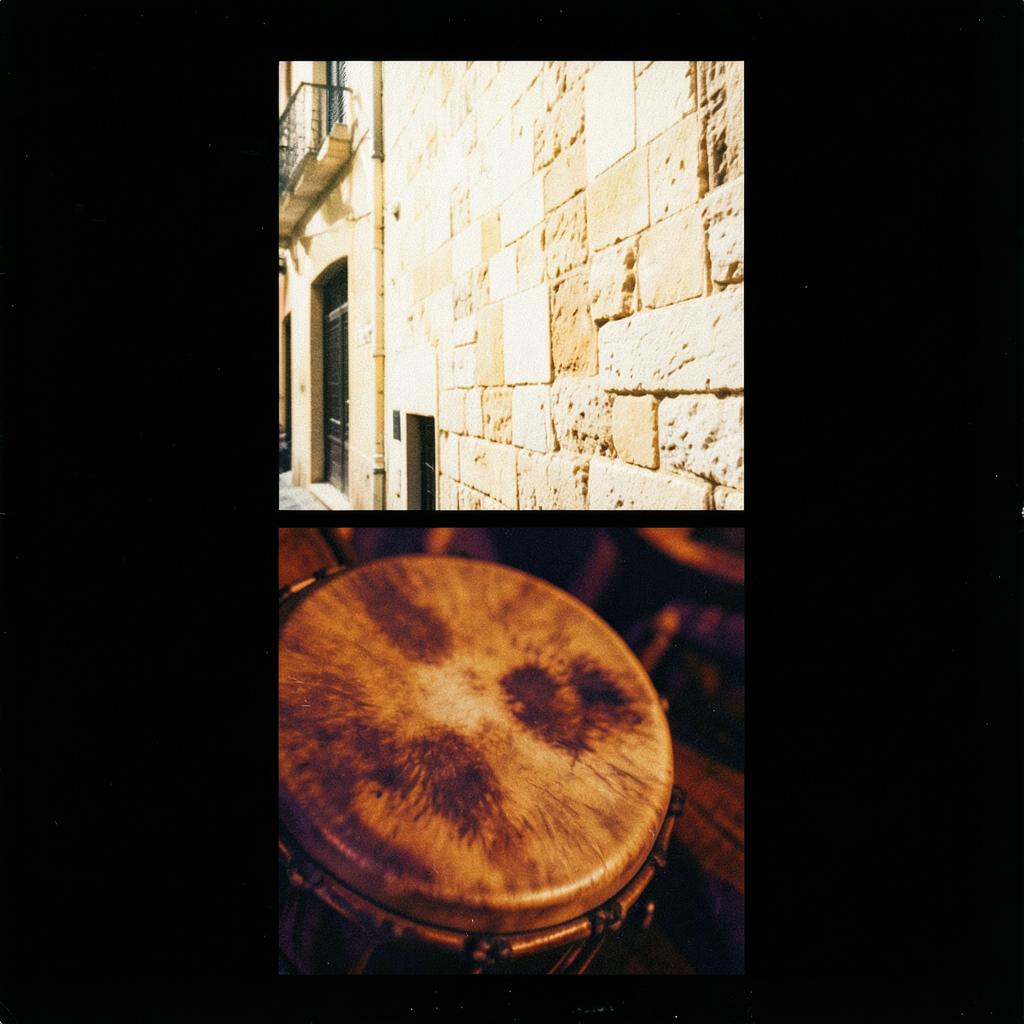

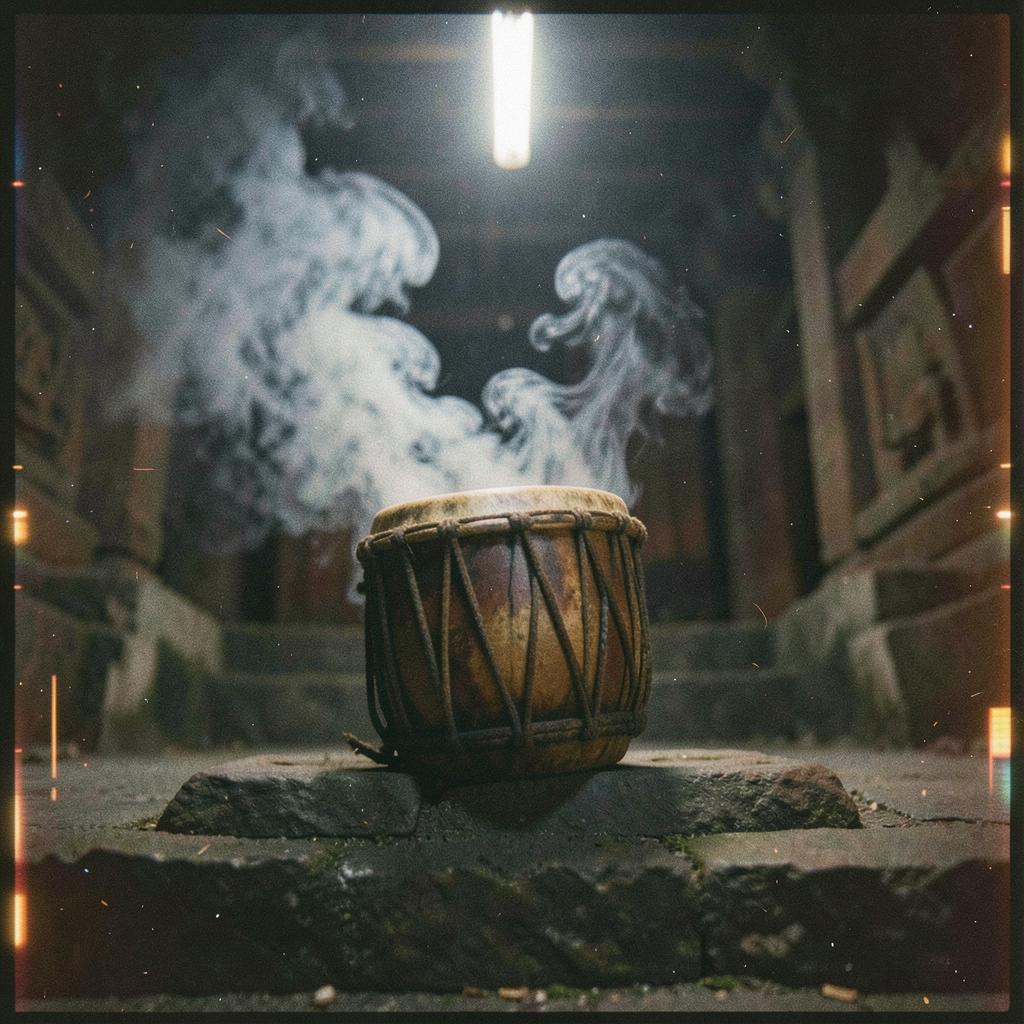
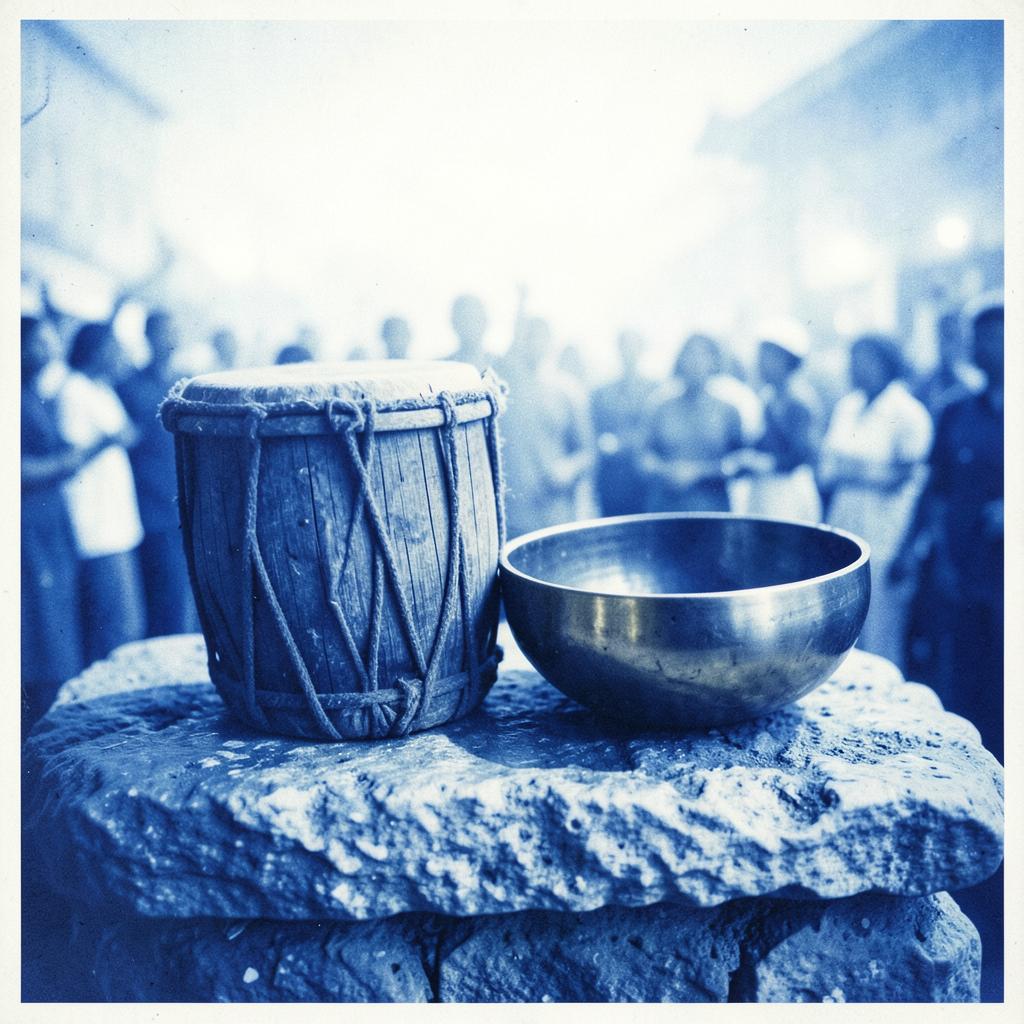


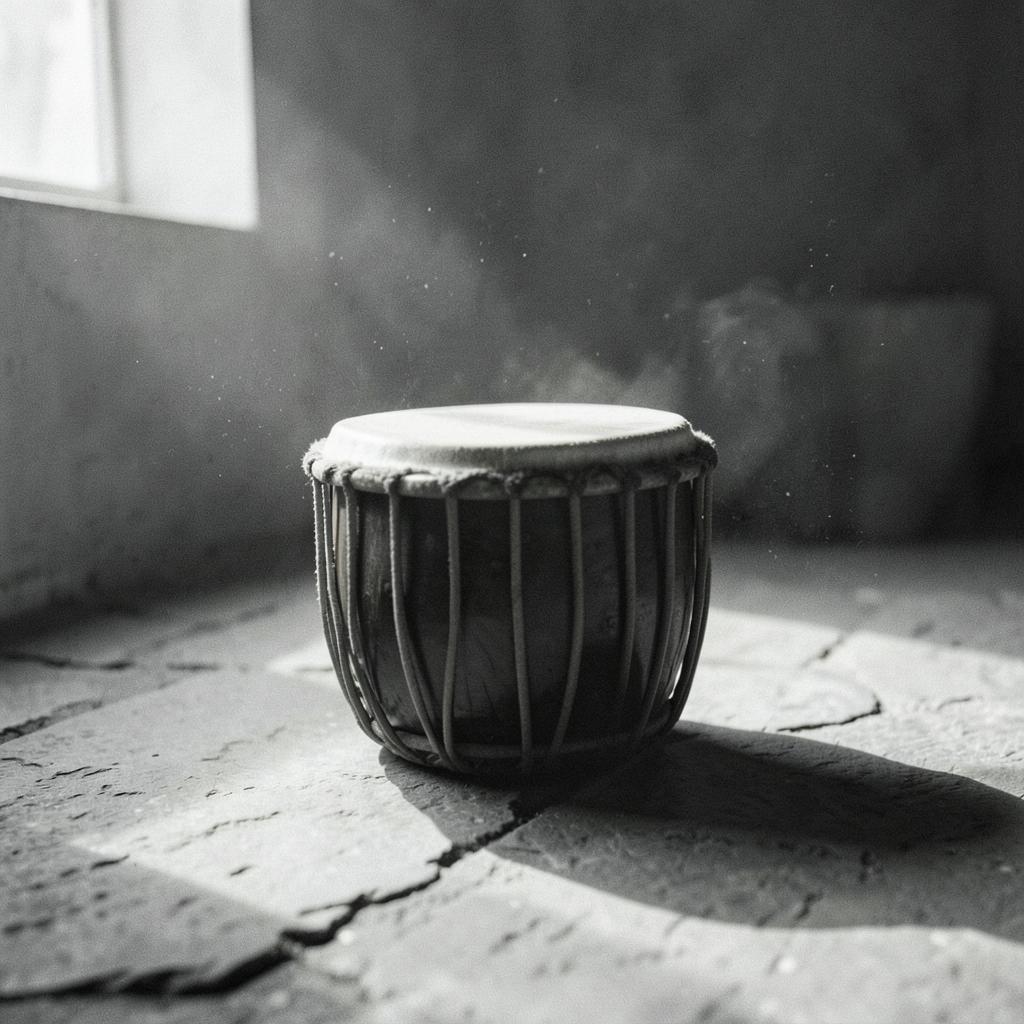




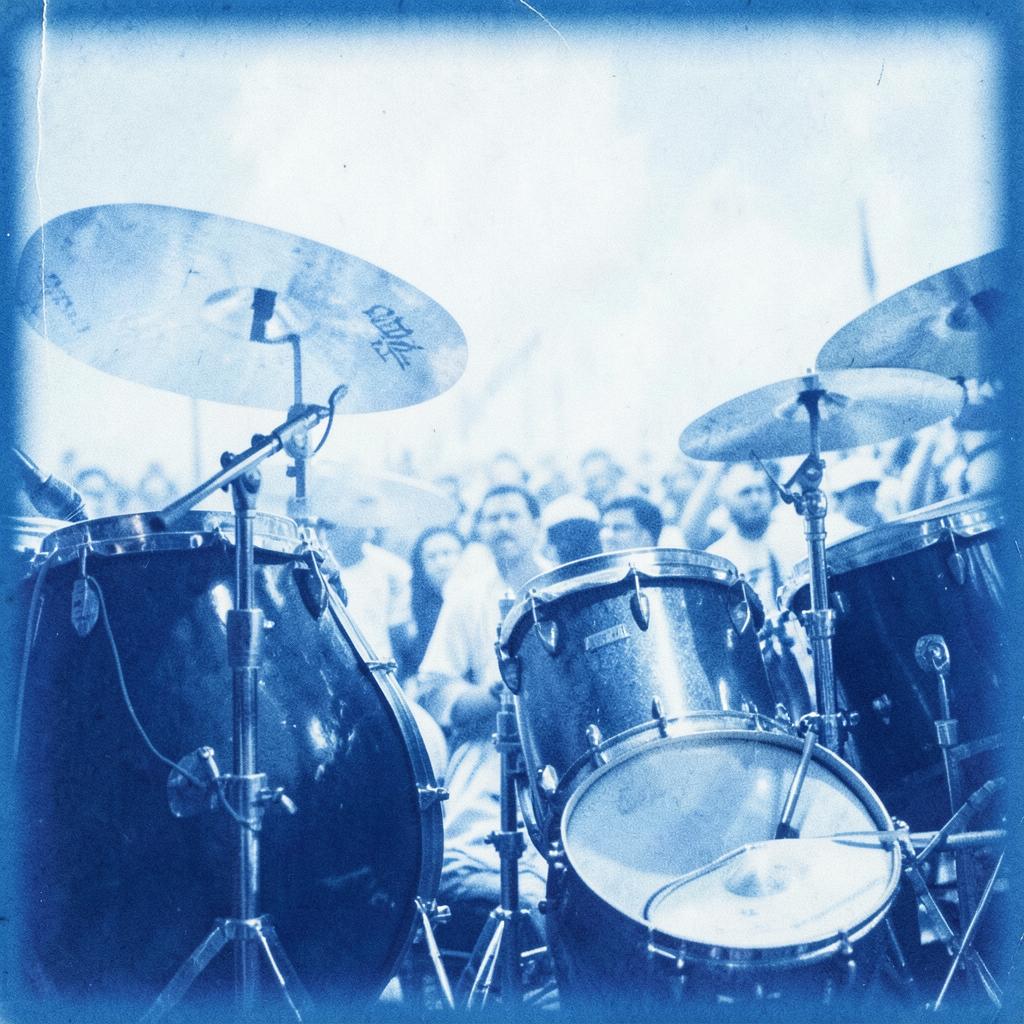

Bol syllables meet the sung line
Tabla's bols are spoken syllables tied to hand movements, and their placement changes when another voice is present. To keep a high, narrow vocal line clear, a maker might bring out the dayan's upper strokes, keep the bayan's low swell brief and let the strokes land in the vocal rests. A lower singer invites a different balance. The bayan can answer with weight, while the dayan stays lighter around the voice. With group vocals, repeated bols can reinforce the vocal group, while a solo voice leaves each gap more exposed.
Silence matters in a tabla part. Without a singer, the drum's pitch contour and bol vocabulary carry the lead, so repeated dayan strokes can sit against a longer bayan resonance. When the singer returns, thin the pattern around the strongest syllables and leave some spaces open. A lyric's language can change the syllable pattern around the bols. Compact syllables leave more air for separate strokes, while a flowing phrase may call for fewer, longer gestures. Keep the sung passage in a comfortable register and let the tabla answer from the spaces around it.
Speech needs space around the bayan
Speech and music often occupy the same midrange, so a tabla part beneath narration needs a clear shape. Keep the bayan's low resonance short when the voice carries information, then let a dayan phrase answer at the end of a sentence. For an arrangement built around a crowd, widen the gaps and give the downbeat a firmer outline. Dense bols can blur when many people move to the same pulse. Treat the gaps, downbeat and density as arrangement choices, and let the drum serve the speech without filling every gap.
The image changes the part again. A close shot of hands suits dry attacks and clear rests, while a wide procession can support a deeper bayan and a longer tail. For a spoken passage, follow the narrator's pace and leave the tabla out of the most speech-heavy stretches. For a visual sequence with no speech, let a recurring bol pattern connect the cuts, then reserve a brief burst of speed for a change in the image. Distance, density and register determine the part, leaving air around a spoken line and a longer bayan tail for a wide procession.
Tabla's opening, lift and release
The space around the bayan beneath speech gives the opening a useful shape. Start with a few light bols on the dayan and hold the bayan back, leaving air for the voice or spoken line. At the midpoint, bring in a low bayan response, followed by a denser dayan pattern that raises energy without fixing the speed. When the pattern needs to carry across a crowd, use a firm downbeat and nimble smaller strokes. In an exposed passage, keep the texture spare and let one resonance hang before the rhythm resumes. End with a softened phrase, a held bass tone or a final dry stroke, depending on the emotional weight you want.
Plan the arrangement in stages. Set the opening texture, the point where the bass enters and the shape of the close. If a sung lyric carries dense syllables, leave wider gaps around it. An instrumental passage can give the bols more space. Use relative tempo directions such as patient, gathering or urgent, leaving the exact speed open. Set the register, texture and density so the tabla has a defined musical role.
Frequently asked questions
- Why do dayan strokes and bayan bends feel like different kinds of weight?
- The dayan usually supplies the clearer pitch and the sharper edge, while the bayan carries the lower voice and often bends its pitch through pressure from the heel or hand. Muted strokes shorten the ring. Open strokes leave more resonance around the pulse. That contrast lets a sparse pattern stay detailed. A dry, articulated dayan beside a rounded bayan gives the arrangement two distinct surfaces to balance.
- When do denser bols make a tabla cycle feel faster?
- Perceived speed often rises when subdivisions become more active, even if the underlying pulse stays put. That lift comes from tighter bol groupings, shorter gaps, brighter dayan attacks or a bayan accent that arrives with more insistence. Keep the main pulse steady and increase density across a phrase. The ear hears motion in spacing and emphasis as well as in tempo.
- Does a bare tabla opening need the full cycle right away?
- A bare opening can hold the dayan in focus while the bayan waits for its entrance, giving the ear a clear touch before the pattern grows denser. A full cycle at the start makes the pulse legible sooner, which suits a busier arrangement. Neither approach belongs to every tabla setting. With Suno, set the opening texture and let the close follow the arrangement, with a dry stroke for a clean stop or resonance for a softer release.