Banjo
Keep the short fifth string ringing above a low verse, and the banjo suddenly has a job beyond filling space. Its dry attack can answer a singer, lean into a clawhammer pulse or step forward in a three-finger break. AI-made tracks created with Suno show the banjo in different roles. It can sit beside a held vocal line or carry the melody alone.
Showing 17 of 17
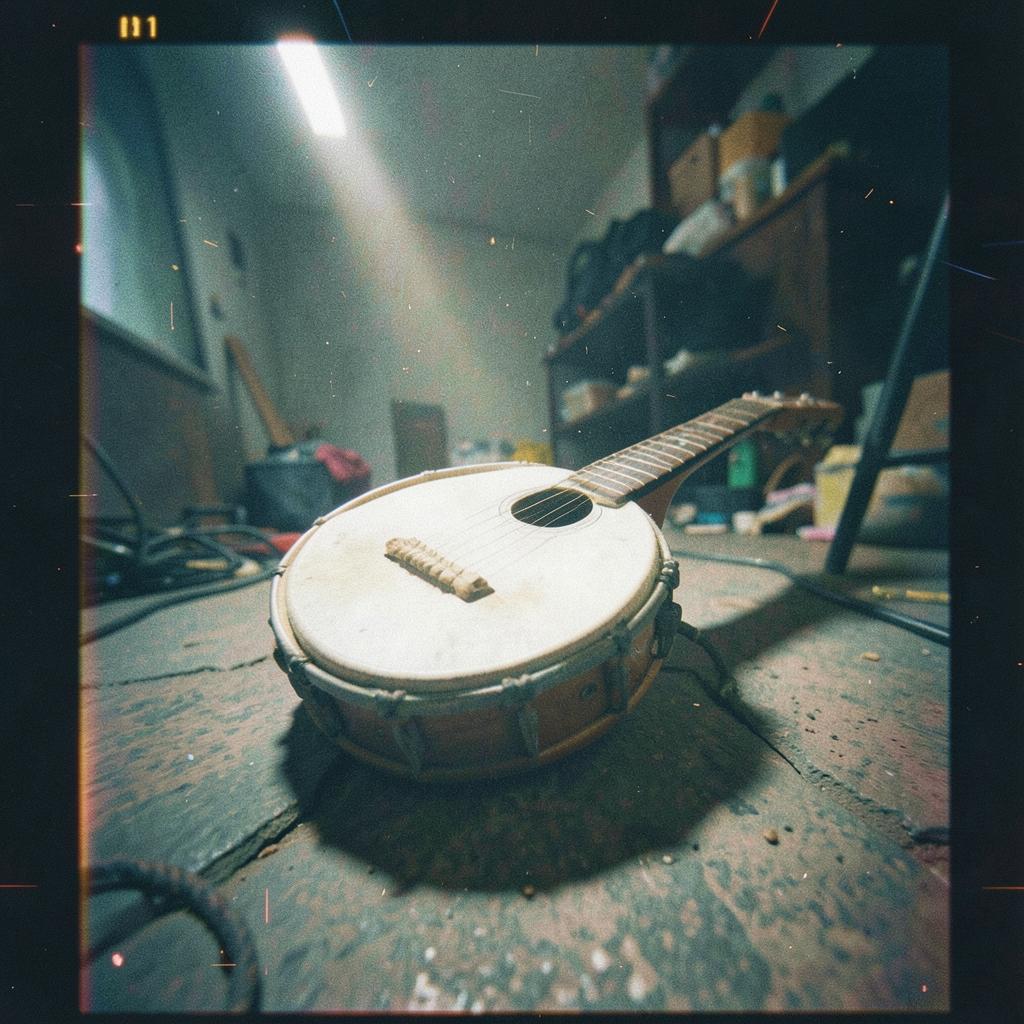




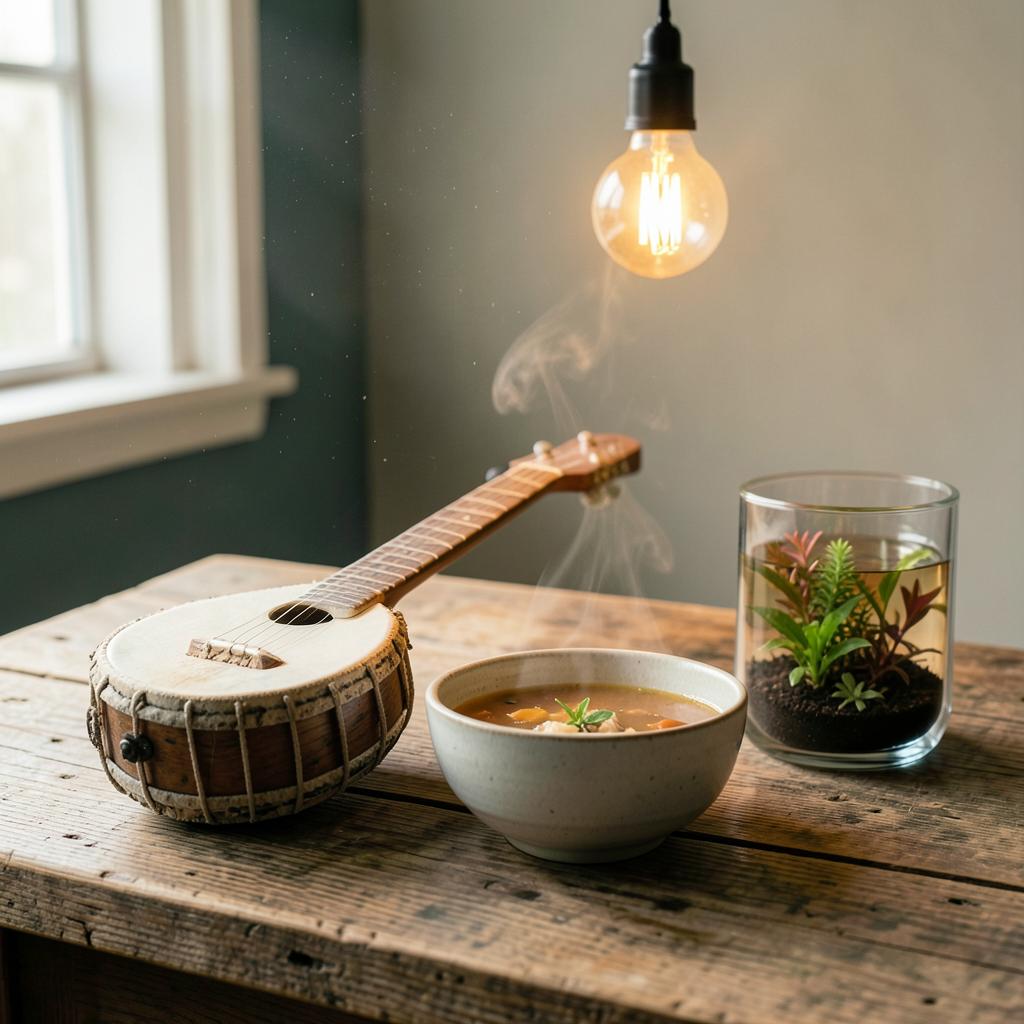



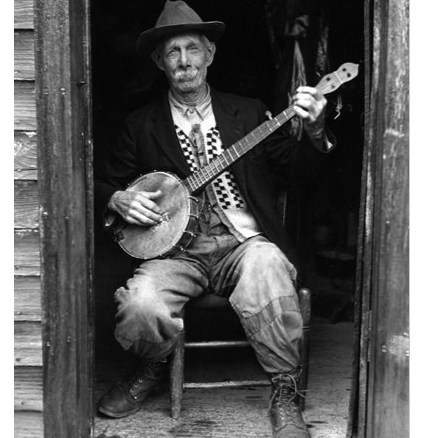




Banjo's fifth string beneath a sung line
With a singer, the banjo often works best in a supporting role that leaves the vocal line clear. Keep the vocal in a comfortable middle register and let the instrument answer in a higher register, where the fifth string can flash between phrases. A clawhammer figure under a low, steady verse leaves room for breath. Three-finger picking can answer more quickly at the ends of lines. The singer carries the line while the banjo answers it.
Without a lead voice, the banjo has to reveal more of the melody. Let a short figure outline the melody, then bring in a small ensemble for the reply, provided the picking leaves some air. Register changes help. Let the lower strings carry the body of a phrase and reserve the high drone for a lift or a return. Lyrics add a different element when a singer is present. Choose language that gives the words natural weight in a harvest song, a homesick verse or a playful refrain. The language changes vowel shape and phrasing, while the banjo's attack keeps the arrangement recognizable.
The drone changes when the roll thins
A roll that never releases the fifth string can make the banjo sound flat. First attempts often keep the pattern moving from the count-in through the final bar, with the drone at the same pitch and a brush filling every gap. That density can blur the melody and make the open string less distinct. Give each part a clear role. Let an opening brush establish the pulse, then thin the texture when the verse arrives. Save a brighter roll for the answer, move a phrase down to the long strings and cut the fifth-string drone for a beat before a turn.
Remove half the notes and listen for what becomes clearer. A pause keeps the instrument recognizable. Its attack stands out against silence, and an open string has more impact after stopped notes. Pair a low, steady figure with a high reply, or let a single plucked note answer a small group of brushed chords. These changes leave space for a singer, fiddle or guitar while preserving the banjo's sharp attack. Energy comes from changes in touch, register and density. A full-speed pattern is one option among several.
Clawhammer and rolls need separate jobs
The short fifth string adds variety when it rings above one verse and falls quiet for the next. Naming banjo, a rustic mood and a fast tempo can still leave the instrument's role unclear. Describe a few arrangement choices. Use clawhammer under a low verse, a lighter brush at the refrain, a three-finger roll for an instrumental break and a held drone around the return. The banjo can lead in one section, answer in another and leave a beat open elsewhere.
Suno works from that musical description. Place the voice's register beside the picking style. Add a texture such as dry attack, ringing open strings or a close group pulse. A banjo recording can help settle one decision. If the fifth string lifts a phrase instead of crowding it, make that relationship part of the arrangement. One arrangement choice is to let the roll step aside for a held vocal line.
Frequently asked questions
- Does a banjo always need a fast roll to sound like itself?
- Fast rolls are one route to energy; a measured brush, a single melodic note or a ringing fifth string can carry the instrument just as clearly. Speed changes the feel, but the snap of the attack and the balance between open notes and stopped notes identify the sound more clearly. In a slow passage, leaving a beat open can make the next pluck stand out. The arrangement decides how much motion the ear needs.
- In clawhammer playing, what keeps the fifth string ringing?
- Clawhammer picking commonly gives the downstroke to the nail or fingertip while the thumb catches the short fifth string on the offbeat. That repeating thumb note creates a lift above the melody and keeps the pulse clear without filling every gap. Players vary the pattern with brushes, dropped-thumb notes and pauses, so the ringing fifth string is common in the style without being a rigid rule. The effect depends on tempo and on how much space the rest of the arrangement leaves.
- What gives bluegrass banjo picking its forward pull?
- Bluegrass banjo often uses three-finger picking to turn a rolling pattern into a bright, propulsive stream of eighth notes. The roll supports a driving ensemble by filling small spaces around a vocal or fiddle line, then steps forward for a break with a clearer melodic outline. Syncopation and alternating thumb notes keep the pattern alive. Name the picking approach, the forward pulse and the moments when the banjo moves from support to lead.