Winter Music
Snow hush, a kitchen full of guests and the long blue hour after sunset each call for a different kind of winter music. Listen to AI-made tracks from Suno while you consider how much space or motion the moment needs. Carry that decision into a track with an opening, turn and landing suited to the setting. A spare beginning can leave space for talk; a fuller middle can add warmth to the gathering before the evening settles.
Showing 20 of 20
 2:54Instrumental Slow Winter Jazz, Airy And Intimate, Inspired By A Scandinavian Glasshouse Hidden In A Snowy Birch Forest. Soft Felt Piano
 2:48A Song To Accompany The Spirit Of Wind And Clouds Descending Upon You In A Righteous Fury And You Finding Yourself Coming To Terms With Freezing To Death In The Coldest Winds From The Tops Of Snowy Trees
 4:31Blues, Slow Solo Guitar To Play Synchronised With Vocals. Keeping A Slow Pace With No Build And Remain Slow Throughout, Snowy White
 3:44A Song To Accompany The Spirit Of Wind And Clouds Descending Upon You In A Righteous Fury And You Finding Yourself Coming To Terms With Freezing To Death In The Coldest Winds From The Tops Of Snowy Trees
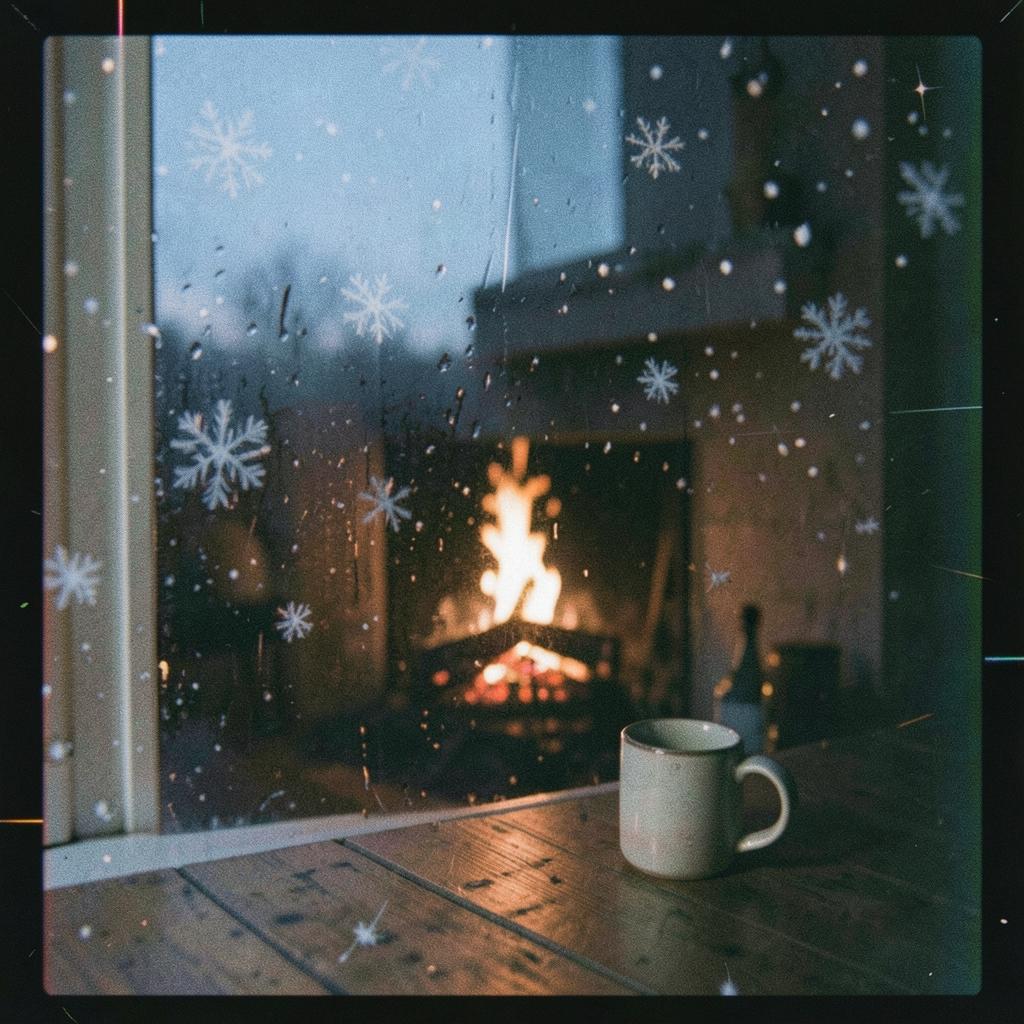





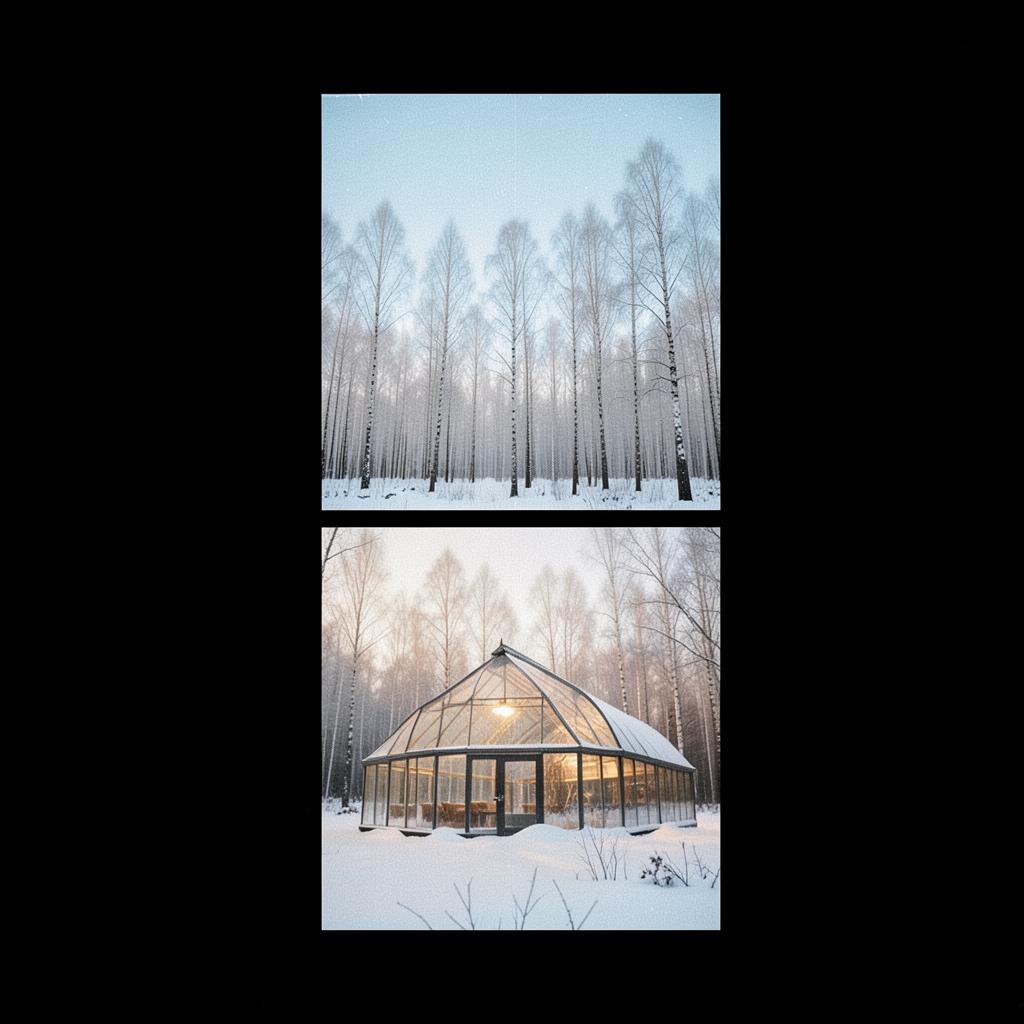

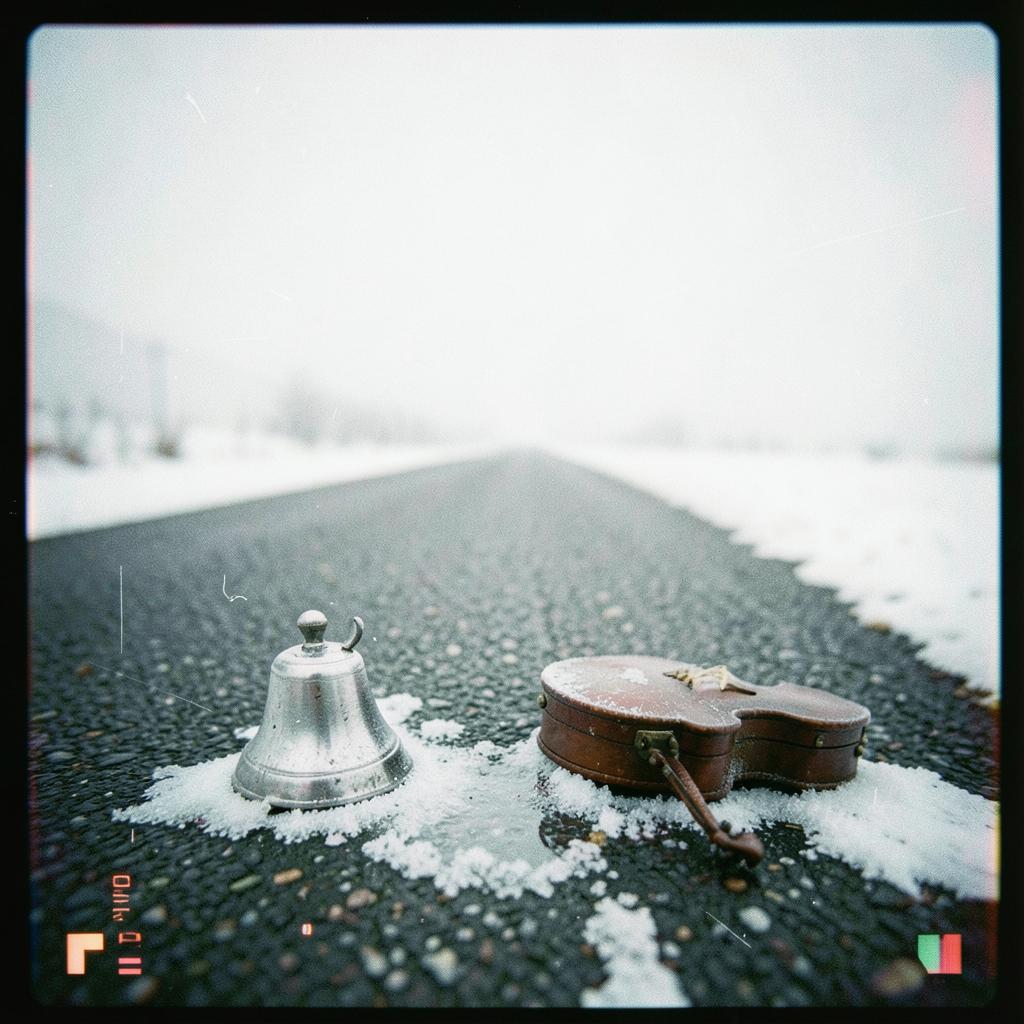
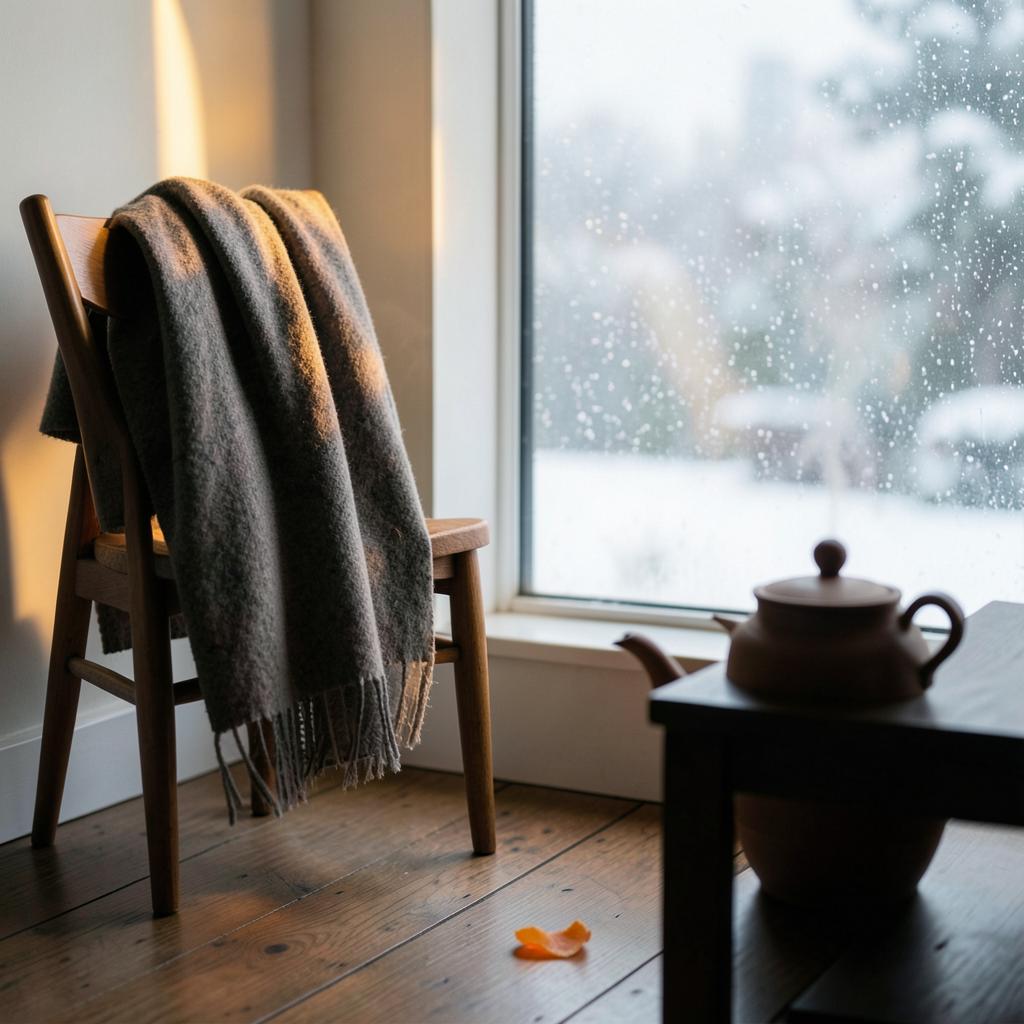

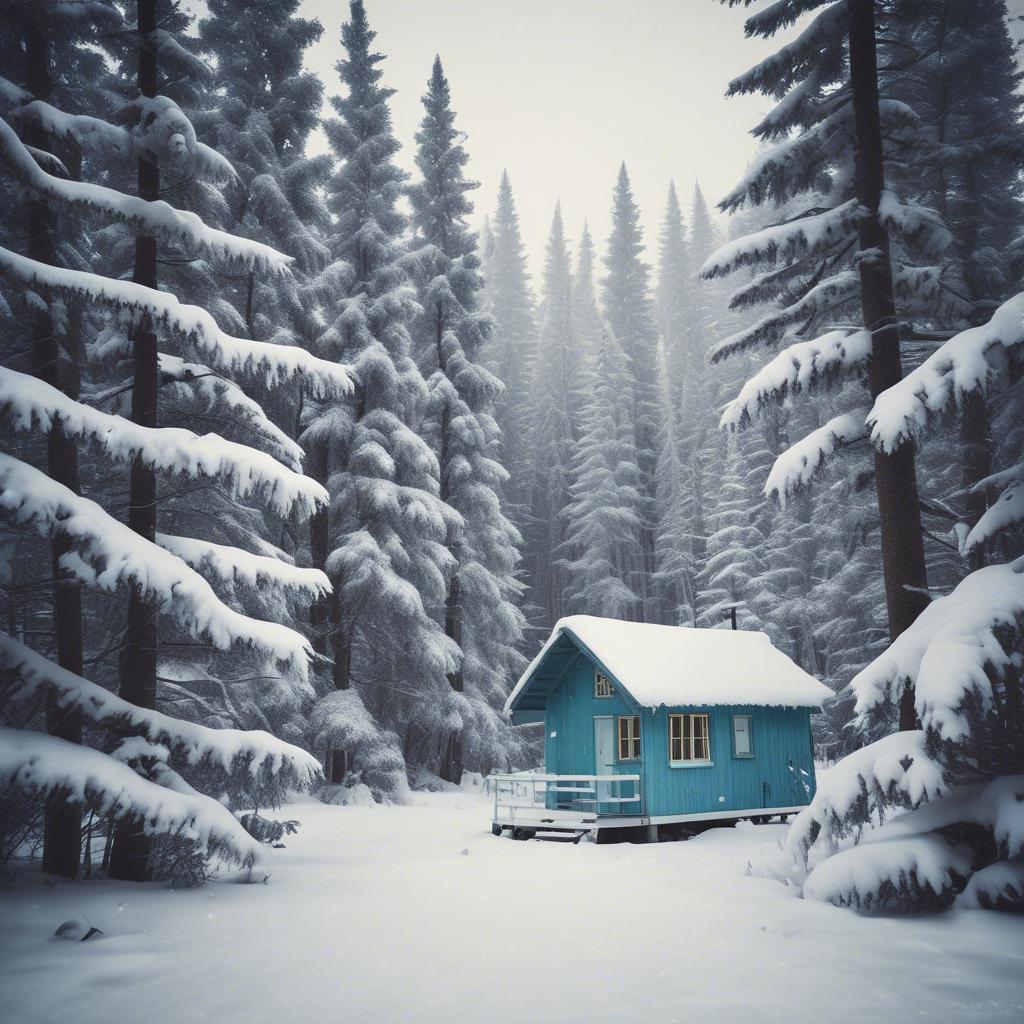
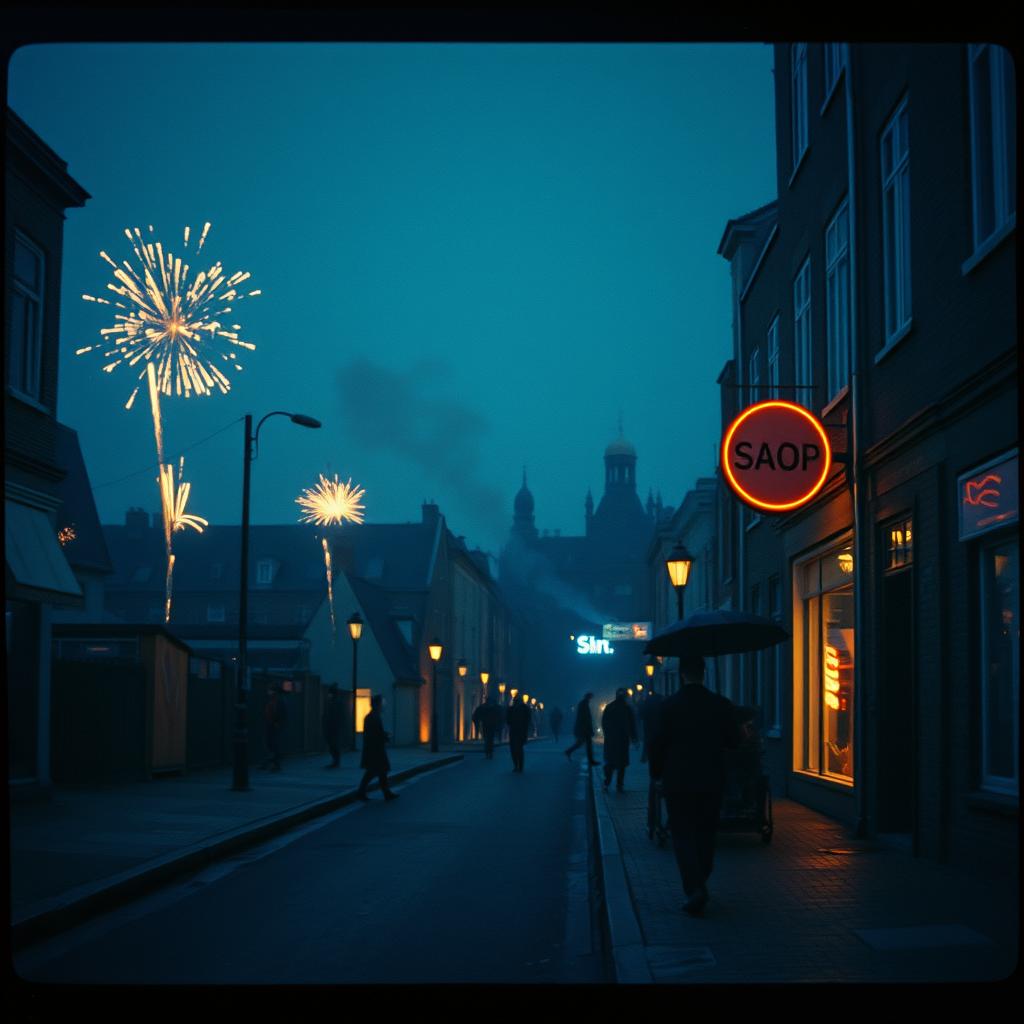

Winter music for quiet rooms and kitchens full of guests
Music for a winter room should leave space for surrounding sounds. A bare arrangement leaves room for the scrape of a chair, the kettle and the talk that rises when people are still arriving. A slow pulse with long-held tones can suit a snowed-in morning without filling every corner. In a film, that open arrangement can leave room for a window, a scarf or a streetlamp.
Density changes how busy a room feels. For a kitchen gathering, use low drums, layered keys and a bass line with a firm step to support movement in the room. A quiet hour calls for a narrow range, fewer entrances and a melody that does not rush to its peak. Volume is only one part of the choice. A close vocal or clipped rhythm can feel present at modest loudness, while a wide arrangement can recede even when it is busy. In a crowded room, let the low end arrive late; in a quiet frame, leave the first bar nearly bare.
Quiet snow days and busy rooms
The practical question is how much attention winter music should take. On a snow day spent reading, cooking or watching pale light cross the floor, use a patient motif, soft percussion and a restrained vocal entrance. When coats are by the door and the room is full, use a clearer beat and a refrain that opens outward, leaving room for talking and movement. Keep the arrangement close to the room's activity so talking and movement remain clear.
If the music sits beneath moving pictures, leave the opening seconds uncluttered so footsteps, greetings or a door latch remain clear. As the gathering grows, save the lift for after the first refrain so the energy does not peak at the start. A muted opening that grows brighter at the midpoint keeps the arrangement clear as the room fills. Listen for that change in the opening, then shape the track so the space narrows as brightness arrives.
A cold open that gathers light
That nearly bare first bar gives the track room to begin. The room is still settling, so start with a sparse opening built on a low pulse, a single melodic line and enough air for the first image. As coats come off and people settle, bring in a firmer drum pattern, a warmer bass line or a wider vocal line. Build toward the peak gradually. If the piece will sit under moving pictures, reserve its brightest lift for the moment the frame opens up.
With Suno, describe the opening, turn and ending in order. Say how the opening feels, what enters at the turn and how the ending loses energy. When a sung verse needs to tell a small winter story, write those lines yourself and note where the vocal enters. Keep the final passage lighter than the middle, with a held chord, a soft repeated figure or a drum pattern that steps away. The track should end with enough space for the last image, the closing door or the lights going down.
Frequently asked questions
- Does winter music need to stay quiet during a dinner?
- Speech sets the ceiling. A sparse arrangement with a steady pulse tends to leave more room for people at the table, while a dense upper register can pull attention toward itself. Keep the opening restrained and let any brighter lift arrive during a pause or after the meal. The right balance depends on the room, the speakers and how much people talk during the evening, so consider volume alongside the rest of the arrangement.
- Should winter party music build from drums or melody?
- Choose based on what the music needs to do. A drum-led opening gives arrivals and movement a clear pulse, while a melodic opening leaves more space for food, talk and visual details. Many gatherings benefit from a melody first and a firmer rhythm later, especially when the room grows busier. A restrained opening that widens into a refrain keeps the change easy to feel without crowding the people in the room.
- When should winter music open up during a snow day?
- A gradual rise often suits a day that moves from early light through indoor activity and toward evening. Keep the first passage light if people are reading or watching the weather, add rhythmic weight as the room gets busy and let the closing section settle rather than chase another peak. For a film, match those changes to the edit or the movement in the frame. The timing depends on attention, so a turning point can arrive when the day's activity changes pace.