New Year Music
At 11:59, a countdown soundtrack leaves room for the numbers, then opens up when midnight lands. New Year music made with AI lets listeners feel that turn in several ways, from a clipped build to a broad refrain after the count. With Suno, decide what the beat holds back and what it releases. Set the timing, setting and energy, then let the arrangement carry the night forward.
Showing 14 of 14
 3:32Genre: Modern Chinese New Year Pop Lead Vocal: Energetic Male Lead With Festive Group Singalong Sections BPM: 128-132 Instruments: Chinese Drums, Festive Percussion, Claps
 2:28Mandopop, Chinese New Year Song, A Male Vocalist Performs In A Baritone Range With A Relaxed
 4:34Soft Girl Voice But Exciting Sound And Not Really Upbeat But Easy To Listen To With Excitement Of The New Year
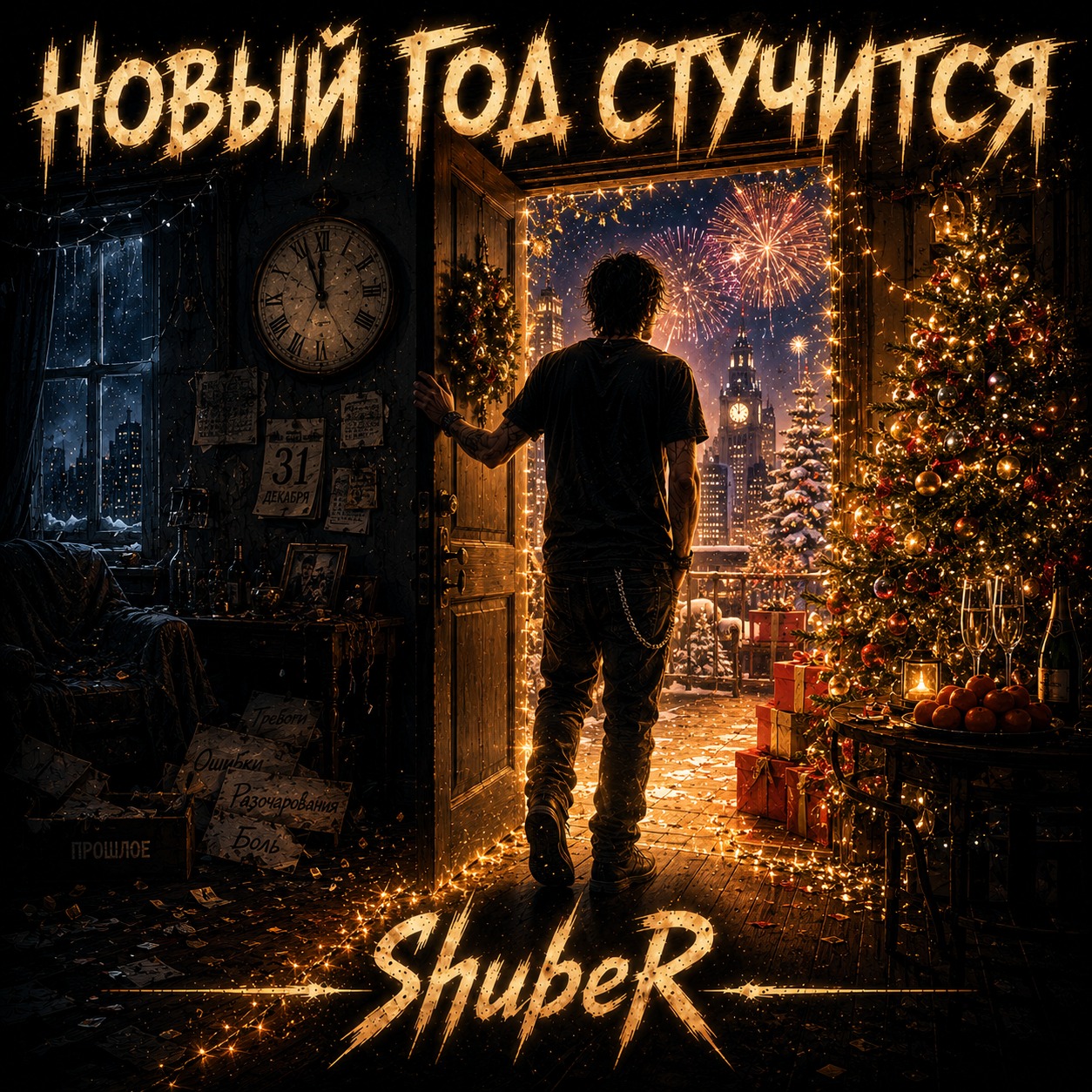
 1:45Стетичной Ёлочке Вайбово Зимой, Из Киберпространства Дропнули Домой. Сколько На Ёлочке Хайпа И Трендов, Розовых Неонов И Крипто-схемок! ТикТоки Снимали
 4:40Modern Chinese New Year Pop Song, Warm And Heartwarming Family Reunion Theme, Celebrating The Year Of The Goat (2027). The Story Is About People Working Far Away Finally Returning Home For Lunar New Year
 2:39Modern Chinese New Year Pop With Contemporary Mandopop Influences. 118–125 BPM. Bright, Festive, Joyful



The room hears the pulse before the midnight cheer
At a house gathering, rhythm often reaches the ear before the hook. Build around a firm kick, a short bass figure and enough air for greetings as people arrive. A countdown on a screen needs a clean opening, a tightening rhythm and a gap for numbers or a host's words. Outside, a dry beat with a bright refrain carries the moment without a dense arrangement. At home, a softer keyboard figure with a loose drum pocket leaves space for people still cooking, calling family or watching the clock.
The setting changes the musical job. Before midnight, keep the brightest chord or widest drum lift in reserve so the room has somewhere to move. Near the count, shorter phrases and a repeated rhythmic cue help a group gather around the same moment. After the cheer, let the bass settle, stretch the harmony or ease into a lower register for the ride home. A maker shaping New Year music has more to decide than volume. The room, the distance from midnight and the first sound the ear should notice all shape the arrangement. Those details give the arrangement a sense of place without forcing every bar into a climax.
Midnight cue or all-night groove
A countdown cue and an all-night groove solve different problems. The first needs to make the count feel like an event, with a recognizable pulse, compact phrases and a lift that arrives near midnight. The second needs to keep a gathering moving through arrivals, food, photos and the ride home. Its hook should return often enough to hold the room together, with changes around it that leave space for talk and motion. The first choice suits a video cue or a planned cheer. The second suits a night that keeps unfolding after the clock has done its work.
Shape both around a planned change in intensity. Give a midnight cue a clear approach, perhaps a rising chord pattern or percussion that thins before the return. Give a longer groove a bass figure built for repetition and a refrain that saves some force for later. A piano-led lift, a four-on-the-floor pulse or a loose late-night beat each suggests a different arrival. Set the high point, then shape the pace and space around it. Leave enough space around the final return for the cheer.
A gap in the New Year countdown
The countdown quickly exposes an arrangement without a clear plan. A festive feeling alone does not say when the arrangement should tighten. Give the arrangement a restrained opening pulse, a tightening pattern near midnight, a brief gap for the count and a bright release after it. Shape the ending too, perhaps with warm chords over a looser bass figure, so the music can continue after the cheer.
In Suno, set the timing through musical actions. Let the percussion thin before the count, the phrase narrow and the refrain widen after it. A screen cue needs room for spoken numbers. A crowded room needs a hook that returns without occupying every gap. A clipped drum break, a rising chord change or a handclap after the pause can mark the turn. Keep the arrangement focused on entrances, intensity and release, then let it settle into a warm, subdued groove.
Frequently asked questions
- Is a countdown song the same thing as a party track?
- They overlap, yet their shapes differ. A countdown song puts a clear arrival under the clock, often with a short build, a pause or a refrain that lands close to midnight. A party track has a longer job, so its groove needs room for arrivals, talk, movement and the stretch after the cheer. The same arrangement can serve both if it saves some lift for later. The choice depends on whether the music needs to mark one cue or carry a whole night.
- When does the midnight cue give way to the ride home?
- Let the change arrive after the count has landed, once the room has finished calling the numbers. A short release or bright refrain often holds the cheer for a moment, then a lower register, longer harmony or looser drum pocket helps the music travel into the rest of the night. For a video, the turn often follows the final number closely. For a gathering, giving it a little space lets the room choose its next pace.
- Where do handclaps belong in a countdown arrangement?
- Place them where the arrangement needs a crisp physical accent, often around a refrain or after a short gap. A sparse pattern keeps the count legible in a crowded room, while a constant layer flattens the sections into one long cheer. Pair the claps with a dry kick, a bass pulse or a rising chord figure when the goal is a lift. A softer pattern suits a home gathering. The surrounding arrangement decides how much space the room needs.