Samba Music
A bright tamborim figure cuts through caixa chatter as a group refrain gathers around the same rolling cycle. Listening to AI-made samba tracks reveals the layered motion. A maker can shape the music by assigning rhythmic roles, changing density and bringing back the refrain. One response may arrive half a breath late. The low drum can anchor the cycle and the chorus can widen without losing its swing. A short tamborim flash at the refrain gives the return a precise accent.
Showing 18 of 18
 2:45Bossa Nova And Samba Fusion At 130 BPM In The Key Of Fmajor. The Arrangement Features A Nylon-string Acoustic Guitar Playing Syncopated Bossa Nova Patterns, A Bright Flute Lead, And A Rhodes Electric Piano Providing Harmonic Support. The Percussion Section Consists Of A Surdo Drum
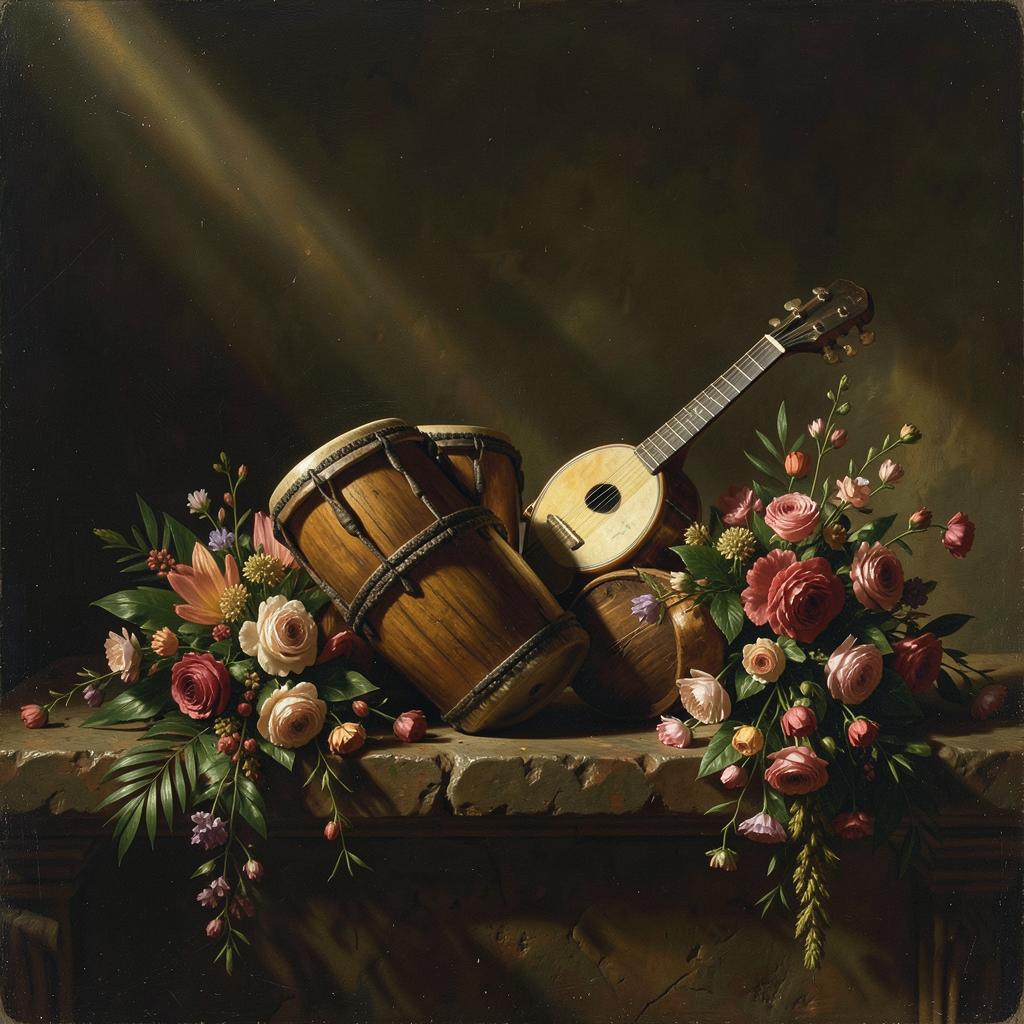




Samba builds its return from staggered entrances
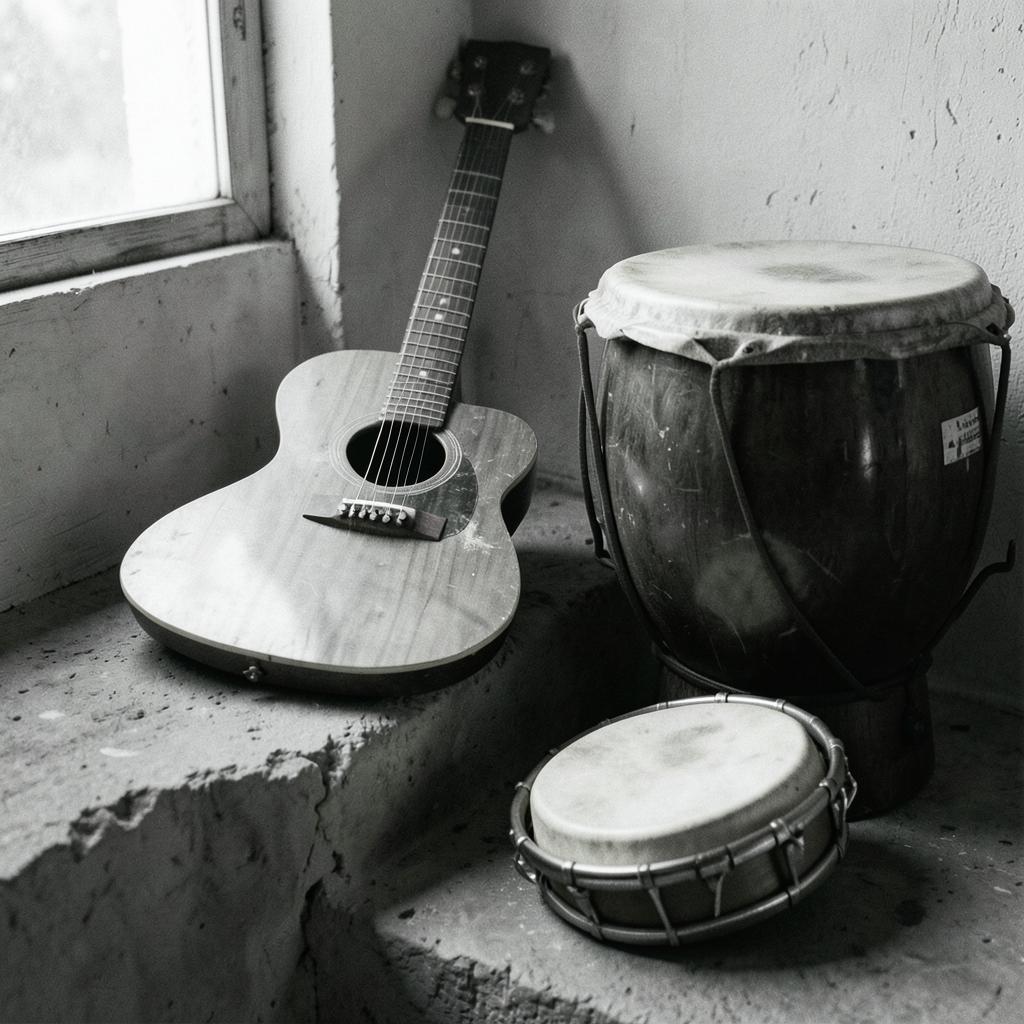
An early samba passage often feels smaller than its eventual refrain. Harmony may be suggested by a clipped string pattern, while hand percussion often frames the empty space and the low drum sometimes joins after the cycle is established. A singer or instrumental lead can state a phrase before the group answers. This widening is one of many possible arrangements.
At the refrain, density often rises through extra accents, a thicker chorus or a brighter tamborim line. A thinner percussion bar or held chord can also make the return stand out. Many samba performances keep the same rhythmic pattern through a passage, then use a new response or shifted accent to create change. Near the close, one arrangement returns with a denser chorus. Another keeps its established weight and a third lets the surdo provide the final landing. Each choice changes the feel of the final bar.
Tamborim keeps samba's quick figures moving
Speed in samba comes from the contrast between a broad pulse and the tiny figures layered over it. The surdo marks a low pulse, while the pandeiro and tamborim add quick accents around the main beat. Caixa can fill the middle with a dry pattern, while agogô adds a bright accent. The cycle stays active because each stroke has its own place.
A slower-feeling groove stays buoyant when the offbeats remain light and the low strokes leave room for them. A brisk groove can feel labored when every sound carries the same weight. The listener first feels the low pulse, then hears the hand percussion move across it and finally hears the chorus open outward. That order gives the groove a physical sequence, with feet first, hands next and the chorus last.
Partido-alto leaves room for rhythmic invention
The tamborim's brief flash contrasts with the surdo's broad pulse. A fast samba often loses that contrast when every percussion part is loud from the first bar. The difference comes from staggered entrances and changing weight. A low foundation can stay broad; hand percussion can skim the gaps and a tamborim figure can appear at chosen moments. The opening can have some air; the refrain can gather a larger group response and the final bar can end with a clean stop or a settled low stroke. The style comes through the way the parts move, with each instrument serving a clear role.
On Suno, a partido-alto phrase can center on an exchange between a lead and the group when that character matters. If the track carries a sung theme, the maker writes the lyric lines and gives the group a clear return to the refrain. A short break can add color, while continuous rhythmic motion also suits the style. The arrangement can leave room between accents, give each one a clear role and let the final bar carry the low drum's weight.
Frequently asked questions
- Does every samba groove require a full batucada?
- A batucada is one percussion setting within the wider samba tradition. Smaller groups often center on a surdo, pandeiro, guitar or cavaquinho and still work with syncopation, repeated cycles and responsive phrasing. The lineup shifts across substyles and performance settings, so a sparse arrangement can carry samba's rhythmic logic. Samba's identity lives in the relationship among pulse, accents, harmony and vocal or instrumental replies, while the number of drums remains flexible.
- Why does a roda de samba keep singers and players facing one another?
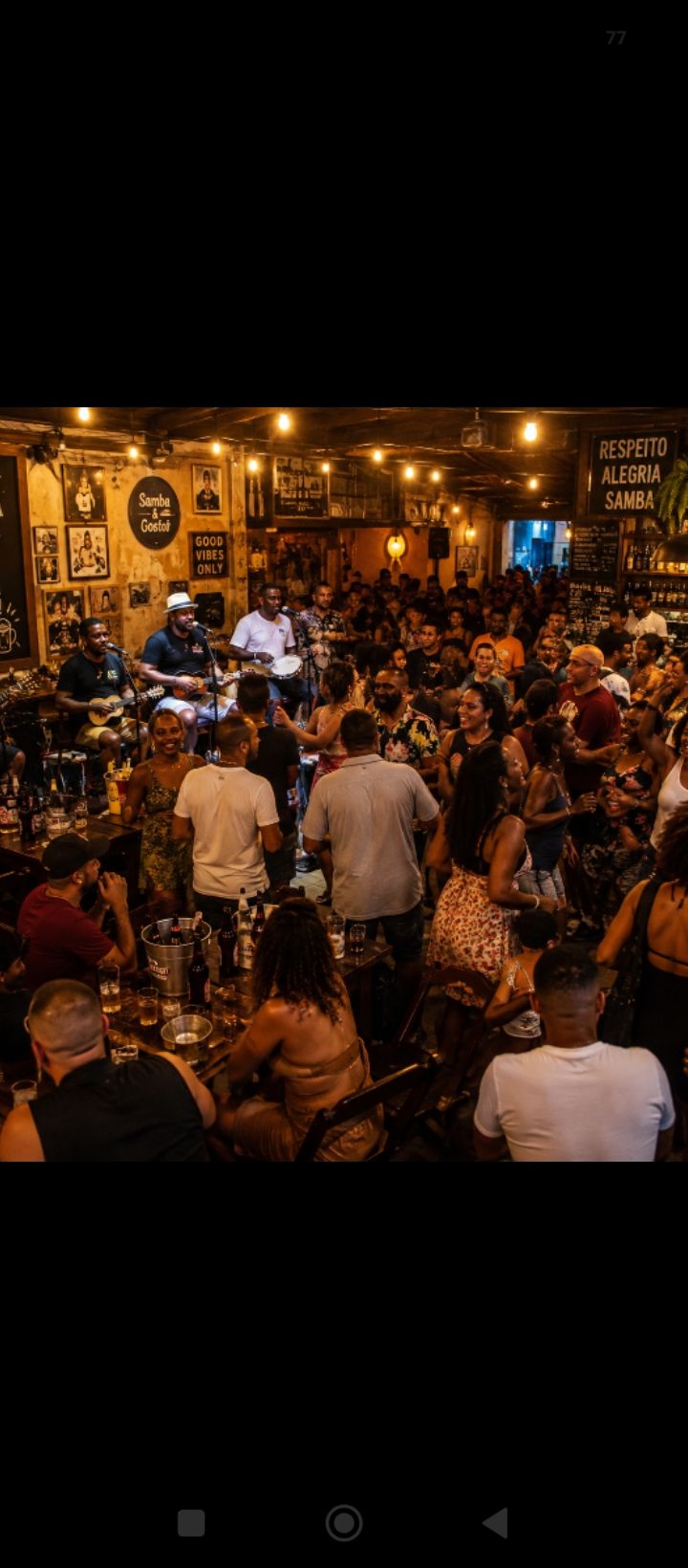
- The circle puts singers and percussionists in shared space, so a phrase can travel through the group without one person at the front carrying every entrance. A lead singer may launch a line. The chorus can answer and another player can continue the rhythmic idea. The lineup varies, and a roda is a setting with many possible arrangements. Its musical effect comes from proximity, a shared pulse and the ease of turning attention to different players around the circle.
- Where does partido-alto sit within samba?
- Partido-alto is a samba form and style associated with improvisatory verse, a strong rhythmic cycle and lively exchange between a lead line and group responses. It often leans on spare harmonic movement, so phrasing and rhythmic wit can lead the performance. Its performance practice has links to informal communal settings, though versions vary in instrumentation and density. It is one part of samba, with its own emphasis on rhythmic invention and responsive singing.