Acoustic Music
At close range, a thumbed bass sits beneath fingerpicked treble. An open chord continues after the hand moves and a quiet harmony enters after the pattern is established. Those details shape the music. A spare picking pattern, a measured entrance and a refrain that widens with added harmony give the song a clear contour while the dynamics remain restrained.
Showing 20 of 20











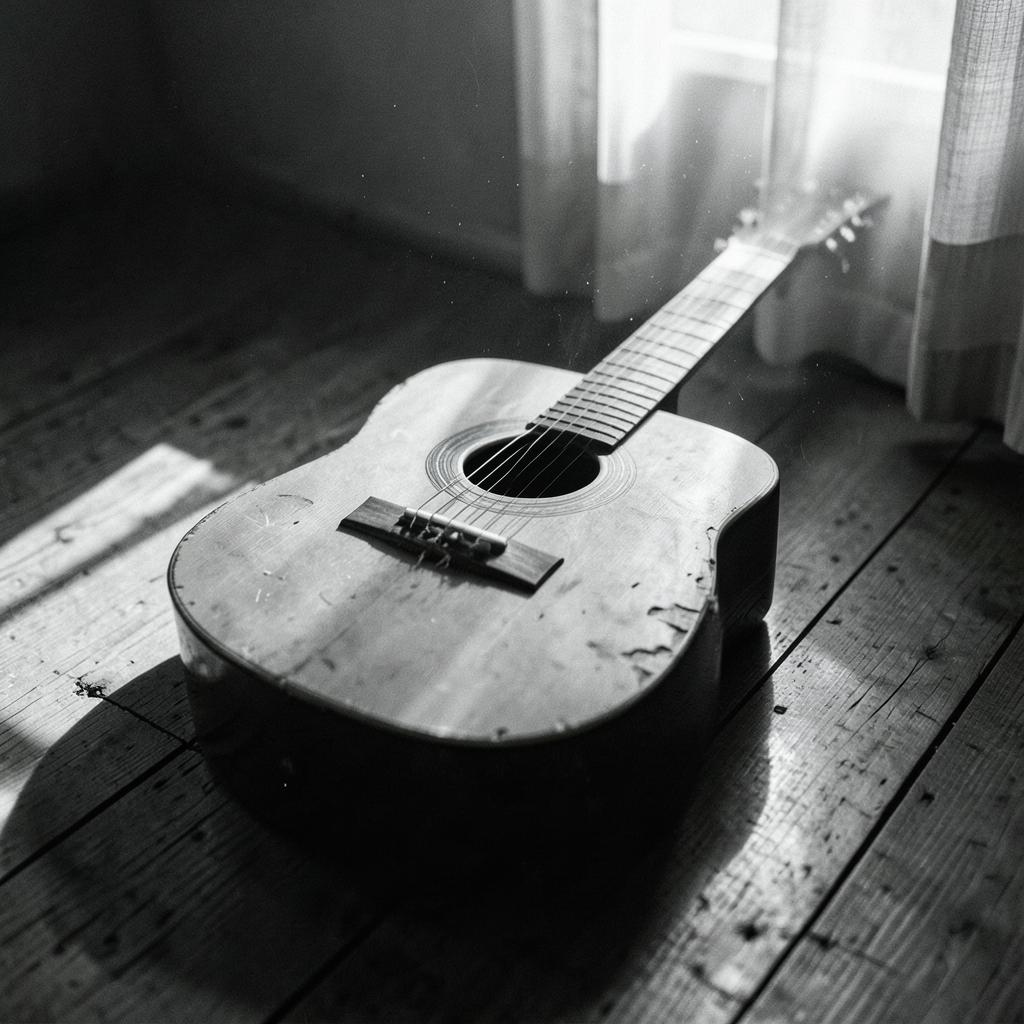

Touch stays audible in acoustic music
Acoustic instruments reveal the hand, bow, breath or strike in the attack. Decay and resonance are part of the arrangement. Beside spoken words, a fingerpicked guitar part leaves space around consonants. A moving image highlights a dry pluck beside a long open-string ring. In a crowd, handclaps or a unison strum reveal the subdivision. The balance of direct attack and lingering resonance shifts with the setting. A musician decides how much of that touch remains in the mix. Nylon or steel strings, piano, upright bass, hand percussion and voice each respond differently, while microphones, reverb and compression frame the performance without erasing its source.
Register helps keep the parts clear. A low thumb pattern establishes the lower register in guitar or piano while treble notes supply a reply and contour. Open-position guitar chords keep sympathetic strings vibrating. A brushed stroke softens the onset while leaving the beat visible. Close miking brings fret noise, finger slides and pick contact forward. A little room tone preserves enough decay to keep the part's physical feel. When upright bass, banjo, fiddle or mandolin enters, a separate register or rhythmic role lets the first attack survive. Even a polished recording needs fret noise, pick contact or bow pressure to remain audible.
Open strings mark the song's changing density
Entrances show how an acoustic song is arranged. Alternating bass notes under a high answer establish the opening, then the vocal joins after the guitar has stated the harmonic loop. Lift the refrain with a second harmony, a broader strum or a moving bass line so the added density creates a rise at the same tempo. During a short break, the melody moves to fiddle, banjo, mandolin or slide guitar while the underlying pulse stays legible. In bluegrass, the break rotates among players. Old-time practice tends to keep a repeated fiddle tune against interlocking banjo rhythm. Both approaches keep a shared tune moving in different ways.
In the closing bars, the arrangement can return to the opening picking pattern with an added vocal line, narrow the texture to a descending bass walk or bring the players together for a dry unison stop. An open-position chord rings beyond the final lyric while a palm-muted brush cuts the resonance short. At the bridge, a minor turn, a drop in density or a high fiddle answer changes the sound before the opening figure returns with a different role. Together, the entrances, break length, harmonic turn and ending shape the song's contour. The last bar can close with an open chord fading beneath the final lyric or an ensemble stop after the banjo roll.
Thumbed bass opens the arrangement
As the players reset after the closing bar, the open-position chord continues through a wood-lined recording space. A nylon-string guitar begins beneath a close microphone, alternating bass notes with a single treble reply. On the next pass, a quiet hand drum joins at the edge of the pulse. At the refrain, a harmonica takes the high line for four bars and a second guitar adds a lower harmony. With Suno, shape that sequence around finger contact, dry vocal presence and a folk-ballad form. Keep the tempo moderate and let the open chord recur at the end.
Let the hand drum fall away before the refrain, have the harmonica answer only the second vocal line and bring the added guitar in for the last refrain. For an old-time arrangement, keep a cycling fiddle tune and steady banjo rhythm. For bluegrass, tighten the mandolin chop and pass short breaks among the strings. Set the acoustic source, pulse direction, register of each entrance and length of the instrumental turn. Close with the open chord decaying after the last vocal or the players cutting together after the final roll.
Frequently asked questions
- Does acoustic music rule out microphones and effects?
- Acoustic music begins with the physical sound of a vibrating string, skin, reed or played surface. Microphones, amplification and processing shape how that sound reaches the listener. Close miking reveals fret noise and finger slides. Compression steadies dynamics and short reverb places the part in a larger acoustic. The genre's character stays tied to touch, resonance and decay, so production can frame the performance while the instrument's gesture remains audible.
- In a string-band arrangement, what does a short banjo break change?
- In a string-band arrangement, a short banjo break changes the texture and lets the tune pass to a new register. Guitar, bass and rhythm parts maintain the harmony and pulse while the banjo roll takes the treble role for a few bars. A mandolin chop or fiddle answer sets up the return and the vocal comes back after the break. Bluegrass often rotates this focus among players. Old-time practice tends to keep a more continuous fiddle tune with interlocking banjo rhythm. The break belongs to the form and the pulse runs underneath.
- Is old-time music the same as bluegrass?
- Both draw on string-band practice and have different priorities. Old-time arrangements often center a repeating fiddle tune with banjo rhythm locked into the dance pulse, letting the cycle carry the performance. Bluegrass tends to spotlight individual breaks, tighter instrumental exchanges and close vocal harmony around a song form. The styles overlap in practice and an acoustic track can borrow from both. Set the rhythmic feel, lead instrument, break pattern and harmonic density you want and let those choices steer the arrangement.