Ambient Music
A tape loop releases a thin hiss as a high partial recedes behind a suspended chord. In ambient music, that retreat is part of the form. Decay, register and silence between arrivals all shape the music. Give the drone room, place one glint above it and let a harmonic change wait long enough to register. The pulse stays subordinate to the space.
Showing 20 of 20
 4:08Catchy Ambient Acoustic Track Built Around Fingerpicked Steel-string Guitar, Layered Natural Harmonics, And Wide Open-string Drones
 2:44Haunting Experimental Ambient Textures Open With Layered Avant-garde Drones, Weaving Mongolian Instrument Samples—horsehead Fiddle And Throat Singing—into The Mix, Percussive Pulses And Sweeping Pads Gradually Intensify
 3:42A Dark Ambient Soundscape Featuring Sustained, Low-frequency Drones And Atmospheric Textures. The Piece Is Characterized By A Slow Tempo And A Lack Of Discernible Melody Or Chord Progression.






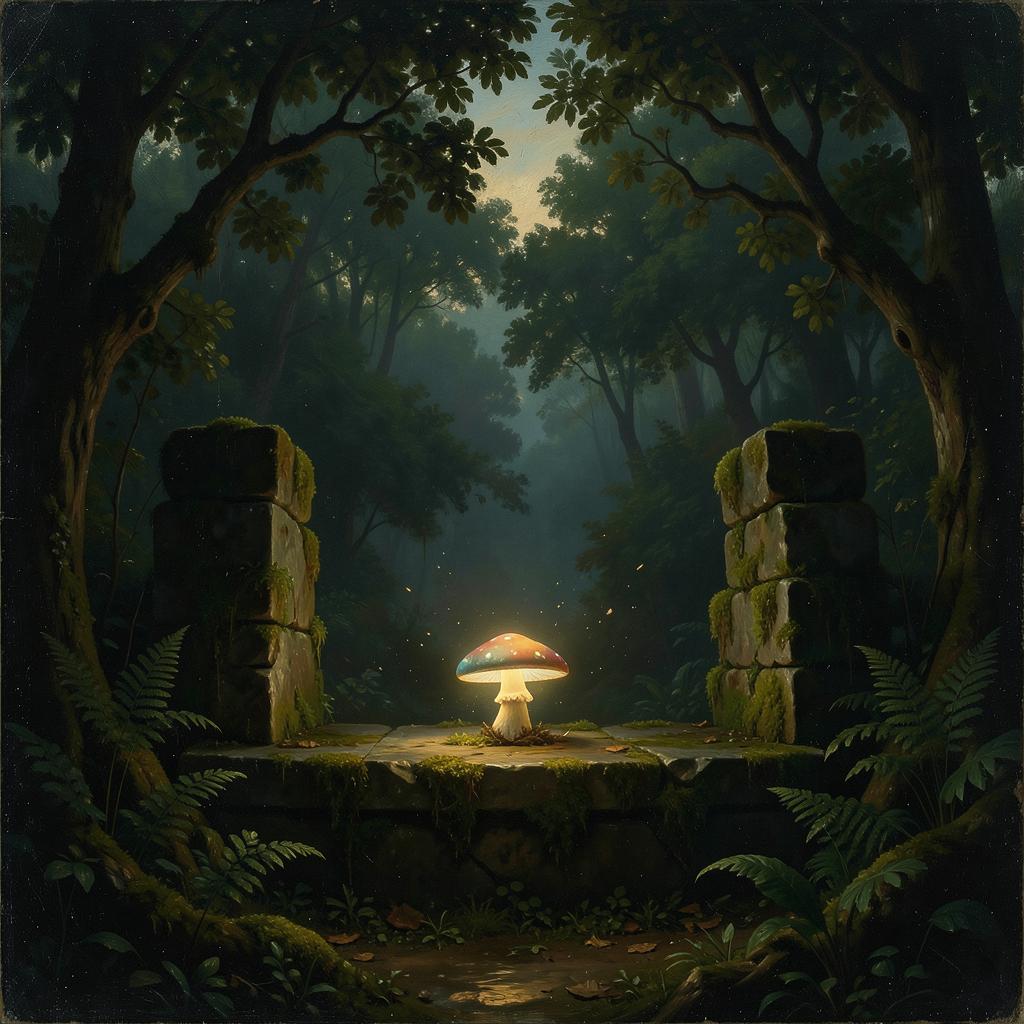

A ceiling fan can supply ambient music's first grid
At home, before the day gets loud, a sustained tone beside an ordinary sound can serve as an ambient cue while that sound remains in the mix. A ceiling fan, a kettle click or distant traffic can supply a quiet grid. A pad widens slowly over it. A high partial blinks once, and a bass note adds weight without marking a count. The listener starts to hear small changes in timbre as clearly as chord changes.
Music for moving images requires a different kind of patience. The music may stay nearly still while the picture shifts, using suspended harmony, soft noise or a barely marked pulse to keep time without signaling every cut. In a street at night, a narrow synth tone set against a deep backdrop can suggest movement through distance. Those settings reward an arrangement that leaves space in the foreground. Let one sound sit close and another recede. Reserve the brightest register for an event worth noticing.
Silence gives the texture an outline
When every pad has the same long tail, the mix loses its sense of space. Percussion sits behind the same haze, and the bass spreads until its pitch loses weight. The mix grows busy without gaining depth. Ambient music often benefits from more deliberate use of silence. Keep one element dry or nearly dry, shorten one tail, leave a gap before the upper sound and let the low register hold steady enough for the changes above it to count.
Removing layers leaves room for small details. A single pulse with a softened edge suggests movement through the texture. A granular scrape crosses the sustained tone once and vanishes. A chord built on an open fifth sounds less dense than a close voicing, while a register change gives the ear a place to turn. If the texture still feels blurred, remove a layer before adding another effect. If it feels inert, alter one interval or bring a quiet sound closer. Varying distance gives the texture a sense of scale. One long tail makes every sound feel equally far away.
Tape loops gain shape from one clear interruption
A ceiling-fan hum and a dry high tone establish the basic texture. With Suno, keep the rhythm to a barely tapped pulse. Build the texture from breathy noise and glassy partials. Let the form hold one suspended chord before opening its upper register. Those choices keep the pulse from becoming a drum pattern, give the texture a distinct grain and mark the structural change. If a sung presence belongs in the field, place a wordless vowel far back and leave the foreground to the texture. This leaves room for a single glint.
Swap the nearly silent tap for a brushed, irregular tick, then listen for a suspended chord that still feels larger than the rhythm. The upper partial should enter after the field settles and after the first beat as a bright signal. A shorter loop returns with one pitch changed, so the listener notices the return without announcing a chorus. Keep the last resonance open, with no new layer arriving before it fades.
Frequently asked questions
- Where did ambient music inherit its patience with sustained sound?
- Electronic experimentation treated timbre as something that could change over time. Minimalist repetition focused attention on duration. Soundscape composition treated environmental resonance as material, while dub showed how echo and bass can stretch a groove. Together, these practices place ambient in a broad lineage that includes drones, field texture, sparse rhythm and slowly shifting harmony. No single arrangement defines every piece in that tradition.
- Why does a slow ambient track feel unfinished even when every layer is polished?
- Slow music exposes weak transitions. A convincing passage gives the ear a return, a departure or a change of register, even when the surface moves by inches. One pad loses its upper partial, a low tone reappears an octave away and a short noise event interrupts a long tail. Those moves create memory. Without a point of change, layers leave the arrangement static and the music feels stalled. Let each addition alter the balance, duration or distance of what came before.
- What gives dark ambient its sense of pressure without a driving beat?
- Dark ambient often builds pressure through low drones, dissonant intervals, long decay and sounds whose sources stay indistinct. Its pace comes from accumulation and timbral change, with any beat held outside the foreground. A bowed scrape recedes under a sub-bass swell, and a cluster brightens by one note before fading back into the texture. The slow pace remains as low registers and friction create pressure without a driving beat.