Afro House Music
Hear the slight lurch created by three kicks in a 4/4 bar, then compare it with the even push of four kicks. The Afro House tracks made with Suno let you hear that choice in the bar. Build the groove around hand percussion, a low bass figure and a melodic reply that arrives after the groove settles. Choose the 3-step lean or the straighter drive, and place each entrance in the bar. Keep the house frame clear while African rhythmic detail supplies the movement.
Showing 18 of 18
 2:58High-energy Afro House At A Breathless 126–128 BPM, Driven By Syncopated Log Drums, Layered Congas
 4:30[Style: Afro House] [Tempo: 144 BPM] [Vocal: Subtle Female Vocal Chants, Minimal Words, Rhythmic Phrases
 6:33[Style: Afro House] [Tempo: 144 BPM] [Vocal: Subtle Female Vocal Chants, Minimal Words, Rhythmic Phrases
 6:41[Style: Afro House] [Tempo: 144 BPM] [Vocal: Subtle Female Vocal Chants, Minimal Words, Rhythmic Phrases
 8:00[Style: Afro House] [Tempo: 144 BPM] [Vocal: Subtle Female Vocal Chants, Minimal Words, Rhythmic Phrases
 8:00[Style: Afro House] [Tempo: 144 BPM] [Vocal: Subtle Female Vocal Chants, Minimal Words, Rhythmic Phrases












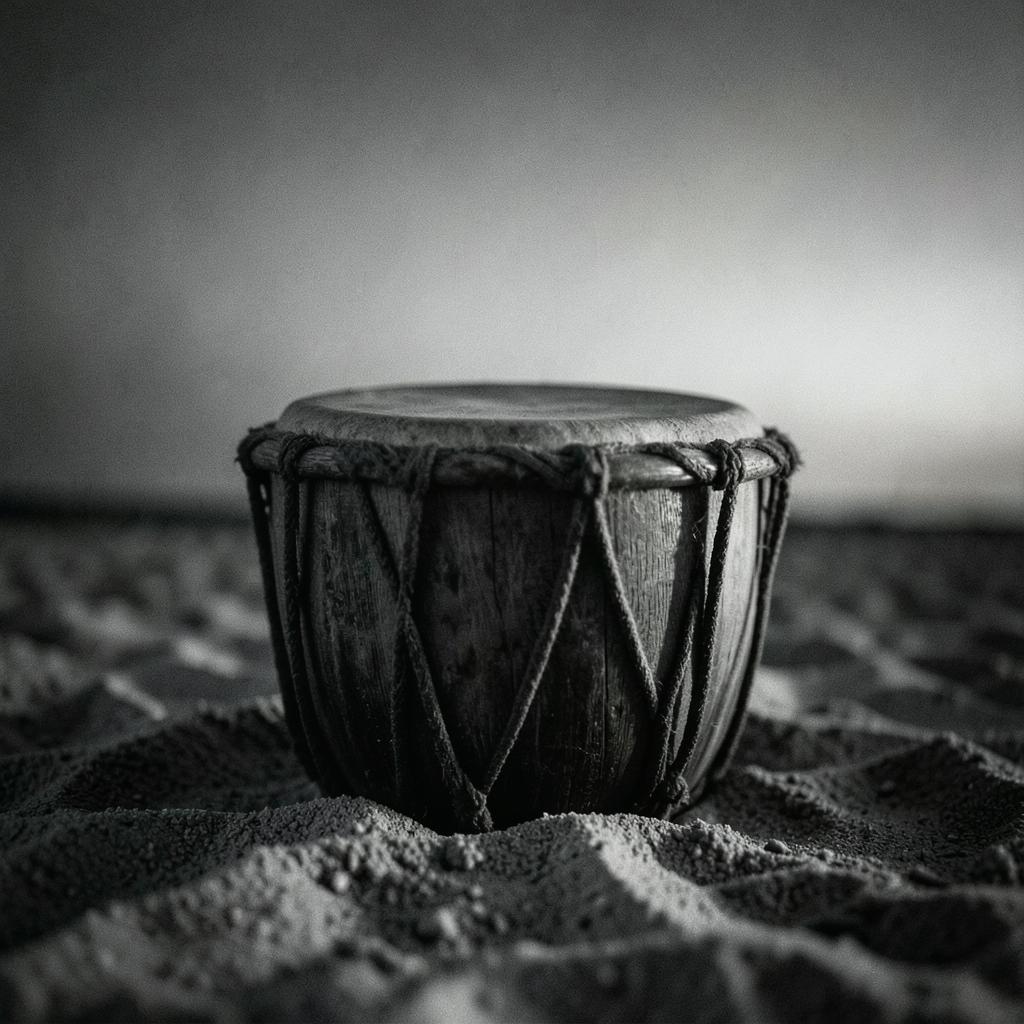
Hand drums answer South African 3-step
Within Afro House, South African 3-step is one way to give the low end a lighter, less even pulse. Inside a 4/4 bar, it places three kicks and omits one expected four-on-the-floor kick. The important detail is the missing impact, and no single beat is permanently missing. The gap changes the listener's expectation and leaves room for a rim hit, hand drum or short bass answer. The groove remains house because the meter is clear, while its weight arrives less evenly than in a four-kick march.
That distinction matters when the upper percussion enters. A shaker can repeat across the bar while a conga phrase crosses the bar line, but neither needs to compensate for the absent kick. Let the bass hold a long note or answer one of the three impacts instead of doubling every low hit. South African house has several rhythmic and production approaches, so 3-step is a recognizable route within a wider field rather than a definition of the entire region. A straighter house pattern remains possible, though the three-kick option gives the arrangement a different forward pull.
Low-end space keeps Afro House legible
Afro House gets crowded when the kick, bass and hand percussion occupy the same moments and register. Let the kick establish the foundation, then choose a bass role that reinforces each impact or answers it with a held tone. Place a dry conga, rim hit or shaker pattern above the low end, with space around its accents. Keep the low end simple while the upper rhythm carries small changes, or thin the percussion as a sub note grows longer. Either choice keeps the groove readable.
Listen for the order in which attention moves through a bar. The kick establishes the house frame. A bass phrase fills a gap or leans across the boundary. Hand drums add texture, often with syncopation that lands away from the low end. A clap or short vocal call can mark a section change, but stacking every accent on the same subdivision makes the arrangement blunt. An arrangement in this style often leaves room for harmonic color, such as a minor-key chord loop or a warm sustained pad. Keep that color behind the rhythm so the drum interplay stays clear.
Chord color arrives after the 3-step pocket
Three kicks and a dry conga give the opening a clear outline before the rest of the arrangement arrives. With Suno, build a sparse 4/4 opening around three kicks, omitting one expected four-on-the-floor kick while a shaker keeps a light thread above the beat. Bring in a bass tone after the first cycle, either holding through the gap or answering one of the kicks. Keep the low register uncluttered so the 3-step lean survives when the harmony appears.
At the first turn, add a short chord stab or a warm pad and let a hand-drum phrase answer from the upper register. If the track needs a stronger lift, increase percussion density at the section boundary, then pull one layer away before the refrain settles. Let the upper rhythm change before the low end gets heavier, so the arrangement grows through layered changes. For the closing passage, lengthen the bass note, return the driest percussion accent and let the final chord breathe across the bar.
Frequently asked questions
- Which rhythmic traditions inform Afro House's house pulse?
- Afro House grew from house music's interaction with African rhythmic, melodic and vocal practices. South African house is an important reference point, though the broader style includes several approaches to percussion, harmony and electronic texture. The house grid supplies a steady frame while hand drums, shakers, syncopated bass figures and call-and-response ideas shape the music's details. The term covers related choices rather than a single regional formula.
- Why does a crowded Afro House groove lose its shape?
- An early attempt often gives the kick, bass and every hand-percussion part the same rhythmic job. A convincing arrangement gives each layer a different role. Keep the kick clear, let the bass reinforce or answer it and reserve syncopated accents for the upper register. Remove a hit before adding another when the 3-step gap disappears. Section changes also need a musical reason, such as a new chord color, a denser shaker figure or a brief withdrawal of the low end. The groove should grow through redistribution of weight.
- How does 3-step use three kicks inside an Afro House bar?
- 3-step sets three kicks inside a 4/4 bar and omits one expected four-on-the-floor kick, without assigning the omission to one permanent beat. That missing impact changes the listener's expectation and leaves room for a hand drum, shaker or bass phrase to answer. The pattern is associated with South African house and works as one variation within Afro House. A fuller four-kick house bar creates a more even low-end push, so the two patterns distribute weight differently.