Americana Music
When a song needs a weathered acoustic verse that keeps its plainspoken story in focus while a roots rock chorus opens out, Americana gives the writer a recognizable way to connect the two. The arrangement can hold a close vocal, a country-leaning two-step and a roots rock lift in one song without smoothing out their differences. That change comes through the steel's reply, a firmer pulse and the moment the band opens. Each part has a clear role as the song moves through its sections, with room for detail.
Showing 17 of 17
 4:02A Rootsy Americana Arrangement Starts With Fingerpicked Acoustic Guitar And High, Melodic Banjo Lines. Hollow Electric Guitar Adds Subtle Twang, While Electric Bass Anchors The Groove And Drums Lay Out A Steady












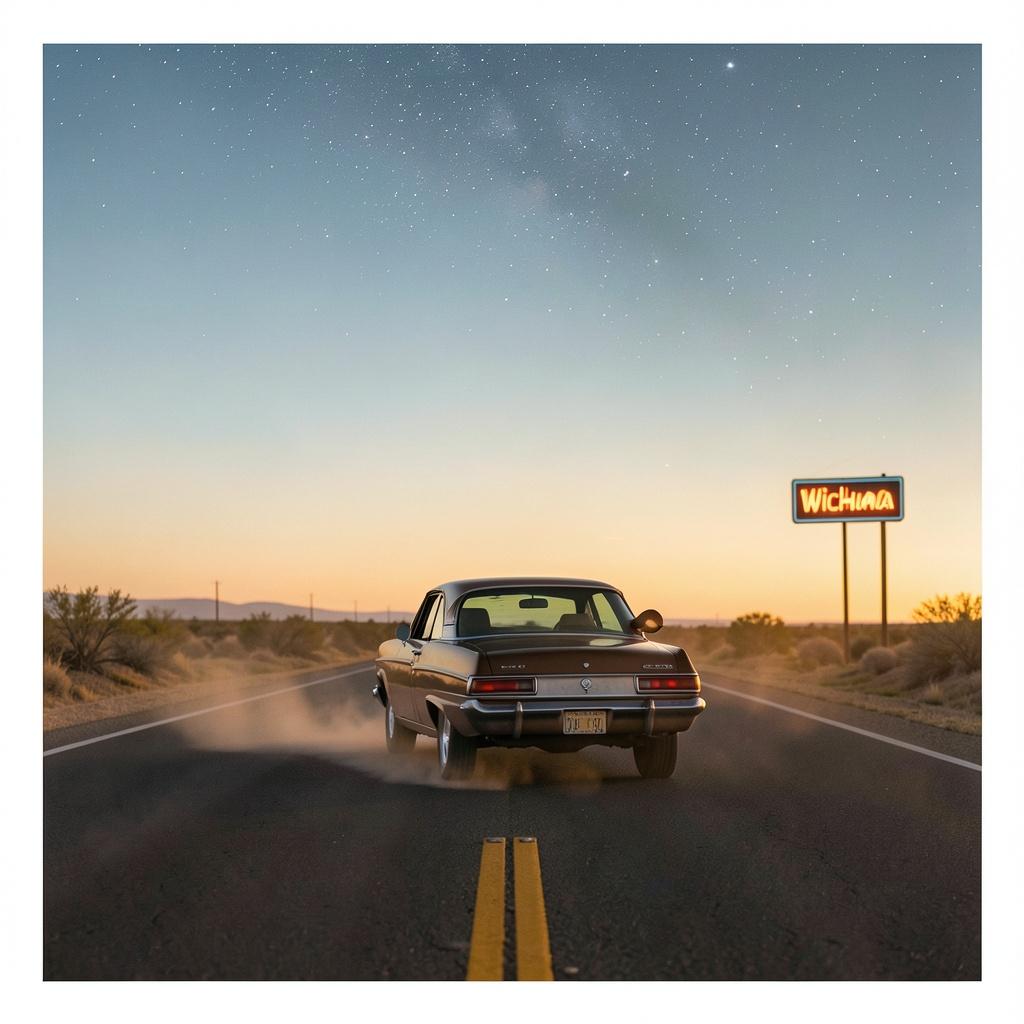
Steel guitar traces a line through the band
Give the steel guitar a recurring part in the arrangement. Let a brief answer follow the opening vocal line, a held note arrive when the bass comes in and a wider bend rise above the chorus. Keep the steel's opening tone dry enough for the acoustic strings to remain clear. Once the drums settle, let the steel point toward the next chord while the singer stays in front. During the instrumental passage, move it higher or let a slide stretch across the bar. When the verse returns, shorten the reply and keep the vocal in front. The part stays connected as its role changes with the song's density and some gaps remain open.
That continuity suits Americana's mixed palette. Acoustic guitar, fiddle, organ and a rough-edged electric part can occupy different moments, while the steel ties the different parts together. A dry opening and restrained replies leave room for one long note above the band in the chorus. Space around the entrances keeps them clear. A crowded lower register blunts the bend, while a lean bass line lets it travel. The different string parts feel related even as the band grows louder, and the steel keeps its place without taking over.
Americana lets the pulse shift across the song
A grounded bass line gives Americana its center, while changes around it give the pulse its character. A verse often walks with an unhurried low end and a dry snare that leaves the vocal room to speak. The chorus feels larger when the kick firms up, the hi-hat opens or a tambourine marks the backbeat. The lift comes from added weight and subdivision. A half-time passage can make the same harmonic movement feel heavier, especially when the bass holds longer notes beneath a close vocal.
That range gives Americana room for roots rock, folk-country and alt-country shades, each with its own groove. Folk-country often keeps the strum and phrasing plain. Roots rock often gives the backbeat more drive. Alt-country often leaves more abrasion in the guitars or more air around the lead. These are tendencies shaped by the arrangement. The verse can walk, the refrain can lean forward and the break can suspend the pulse before the band returns with a different weight. A listener finds a clear pocket first, then notices the kick opening at the refrain.
A held steel note centers the arrangement
A held steel note over a walking bass line centers the arrangement. An Americana track in Suno can use a grounded bass line that gains weight at the refrain, a lead close to speech with the steel answering after each line and a spare verse that opens into a wider chorus before a short instrumental passage. Replace that bass pattern with a loose shuffle while keeping the vocal and steel fixed. The changed pocket should bring motion to the chorus while leaving the rest of the track clear.
Each part has a distinct job. Steel shades held notes, acoustic guitar carries the string texture and electric rhythm widens the edge. The arrangement becomes clearer when each choice points to a specific entrance, such as the first open hi-hat at the refrain or the fiddle after the instrumental passage. A lean opening lets the first steel reply register. A wider chorus lets the bass change be felt. Each section can carry one clear sound so the final refrain gives the steel one place to land.
Frequently asked questions
- With a country two-step underneath, what lets an Americana chorus open into roots rock?
- Country's two-step tends to make the beat's dance feel clear. Bass and backbeat give it a regular forward walk. Americana often keeps that foundation while giving the chorus a wider electric lift, a rougher guitar edge or more room in the instrumental passage. That difference comes from the arrangement and the amount of electric lift. A track that holds the verse close to speech and lets roots rock color enter late often carries Americana's broader blend even when its pulse begins in country.
- Why does steel guitar sound more exposed when an Americana verse leaves space around it?
- Steel guitar brings a vocal-like bend and a long tail to the arrangement. With space around it, a held note can answer a line, point toward a chord change or hang above the chorus without filling every gap. The instrument feels more present when it returns in different registers or for different lengths across the form. Pairing it with a close acoustic strum keeps the string texture clear. Early electric density can bury the small pitch turns that give the part its ache.
- Should an Americana final refrain drop the drums and keep the steel over acoustic strings?
- Yes, if the empty bar has a job. Dropping the drums for the final refrain can expose the steel's sustain, the vocal's closing phrase or the acoustic guitar's pulse before the full band returns. In Americana, that space often works once the song has established its rhythm and the return carries a clear lift. Keep one anchor in the gap, such as bass, foot percussion or a repeating guitar figure, so the silence feels deliberate and the returning band lands with weight.