Swing Music
A ride cymbal lifts the second eighth note while a walking bass holds the quarter-note pulse steady. That long-short pull is the quickest way into swing. It can shape a lean combo with piano comping and a close reed line or a crowded band gathering for a brass shout. Suno tracks show those choices in different arrangements. The maker can decide how much air stays around the beat and when the ensemble steps forward.
Showing 18 of 18
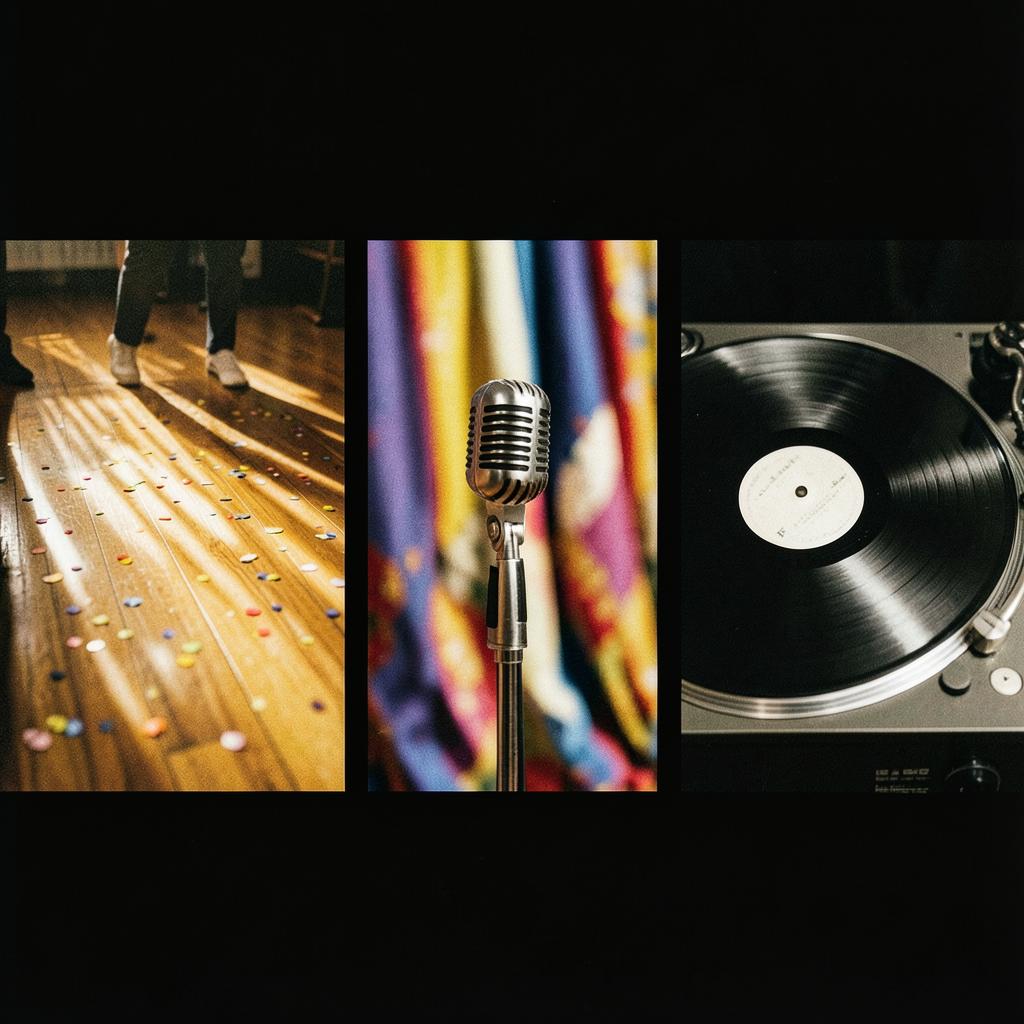



The two and four survive the full band
With the bass, drums, piano and a single horn exposed, the groove becomes clear. The walking line marks the harmony without filling every pocket. The ride cymbal adds a light top layer, and piano chords arrive in short comments that leave space around them. That spareness suits a melody that needs room to bend, an improvised break that should sound unforced or a quiet stretch before the band gathers. The arrangement stays clear. Each entrance changes the shape of the bar.
Add reed harmony, brass punches and a thicker rhythm section, and swing takes on a shared, emphatic weight. A shout chorus turns several parts toward one phrase, while a lower-volume passage gives the return stronger contrast. Dense writing stays lively when the horns leave rests and the bass keeps its walking direction clear. The texture directs attention. A bare texture brings out touch, while a full texture makes a shared accent feel larger. Let the arrangement decide how much room the next solo or refrain deserves.
Swing's triplet lift and straight eighths
The choice arrives inside each pair of eighth notes. Divide the beat evenly and the line leans toward a straighter dance-band surface. Give the first part more room and the second a lighter touch, and the phrase acquires swing's lilt. The exact ratio moves with tempo, player and arrangement, so words such as lightly loping, buoyant or briskly loose describe the direction more usefully than a fixed measurement. Quarter-note bass motion keeps the pulse clear under the skipping ride pattern.
The feel also depends on where the accents sit. A light hi-hat closure on two and four steadies the bar, piano comping fills the harmony in short shapes and a snare brush leaves a softer edge than a hard backbeat. Push every offbeat with equal force and the phrase loses its long-short feel. Hold the ride too far back and the music drags; drive it too hard and the bar feels crowded. Hold the bass steady, change the ride touch and let the ear decide whether the phrase should glide, trot or press forward. Keep the ride light until the brass answers.
A ride-led opening makes the brass entrance count
A light ride over a steady walking bass leaves a clear opening for the brass entrance. With Suno, describe a buoyant long-short ride pattern, a dry reed lead that leaves the piano clear and a compact form that opens with a short head, loosens for a break and gathers into a brass refrain. This gives the arrangement direction without fixing an exact bar or timing. Keep the largest brass weight for the return, so the sparse opening remains part of the design.
A close vocal phrase can replace the reed lead and draw attention toward the brass entrance. The melody should move nearer the front while the piano remains legible and the band still has room for its accent. If the vocal crowds the harmony, thin the chord voicings. If the brass feels early, leave another breath after the head. A short final hit keeps the landing crisp.
Frequently asked questions
- Why does a ride cymbal carry so much of swing's lift?
- The ride cymbal often carries the surface shimmer while the bass and hi-hat keep the bar grounded. Its pattern needs enough lift to suggest the long-short contour, with enough restraint for piano comping, a reed phrase or brass answer to remain clear. A heavy ride can flatten those differences by making every subdivision equally prominent. A lighter touch leaves room for the rhythm section to point toward the next beat without crowding the melody.
- At what point does swing's lift begin to feel hurried?
- Swing feels hurried when the ride, bass and piano all push the offbeat with equal force. The tempo itself is only part of the sensation. A brisk passage can stay buoyant if the hi-hat remains light, the bass keeps its quarter-note direction and the chords leave air around the ride. A slower passage can drag when every entrance sits heavy. Let the long-short shape breathe, then reserve the sharper attack for a brass accent or the close of a phrase.
- What does a late brass entrance change in a swing arrangement?
- A late brass entrance gives the opening room to establish its walking bass, ride pattern or vocal line before the ensemble widens. The arrival changes the density of the arrangement instead of keeping the sound full throughout. Swing arrangements often use a short head, an instrumental break or a brief return before the close, though forms vary. A clean stop, held chord or last pickup can serve the ending. A clear final gesture keeps the rhythm section's lift clear.