Smooth Jazz Music
Let a Rhodes chord glow under a clipped guitar answer, then give the saxophone a phrase that leans past the bar before the drums settle it. That balance gives smooth jazz a settled pocket with enough harmonic color for a melodic, purposeful lead. In a track made with Suno, a saxophone can wait half a beat before answering the Rhodes. Keep one clear hook in view as the solo wanders and let the returning Rhodes chord land alone.
Showing 20 of 20
 5:03Smooth Jazz With A Laid-back Swung Groove, Brushed Drums, Walking Upright Bass
 3:08A Smooth Jazz Instrumental Piece In A Major Key, Featuring A Prominent Electric Piano Melody. The Tempo Is Moderate, Creating A Relaxed And Sophisticated Atmosphere. The Instrumentation Includes Drums Providing A Light
 3:25A Smooth Jazz Instrumental Piece In A Major Key, Featuring A Prominent Electric Piano Melody. The Tempo Is Moderate, Creating A Relaxed And Sophisticated Atmosphere. The Instrumentation Includes Drums Providing A Light
 3:20Smooth Jazz With Laid-back Saxophone Lead, Clean Acoustic Guitars, Warm Electric Bass








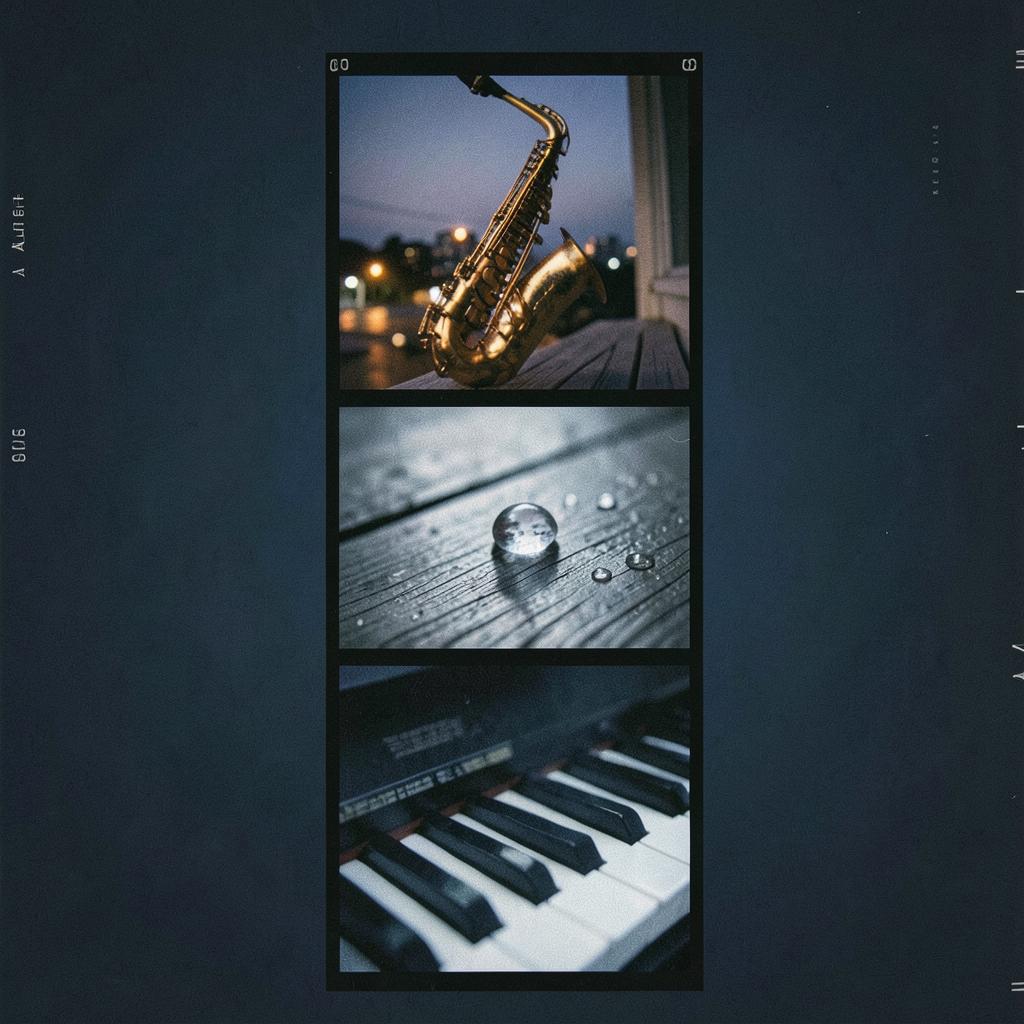


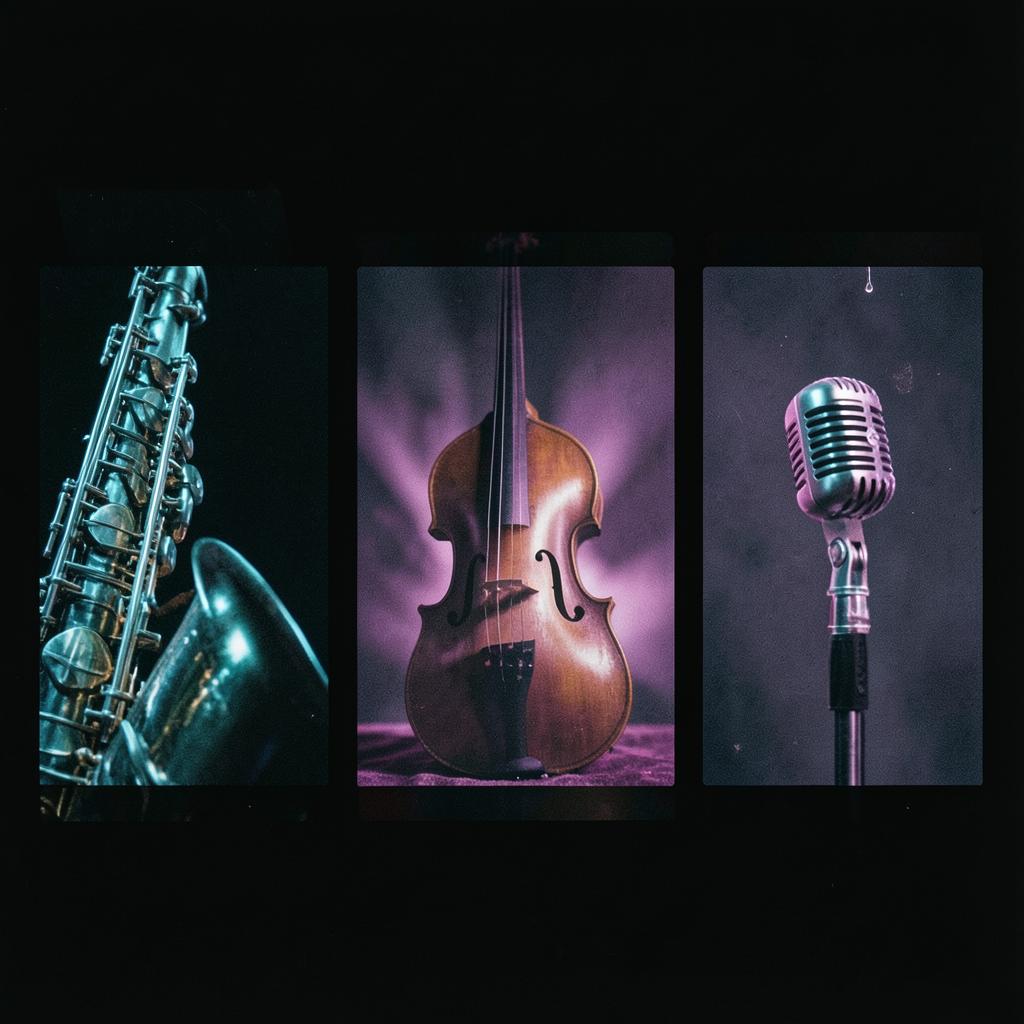

Rhodes chords leave room for the saxophone
A straight, unhurried backbeat puts the focus on placement. The kick and snare establish a readable grid, and a lead often arrives a fraction late, clips a pickup or lets a held note cross the bar. Rhodes chords supply color through ninths, sixths and suspended tones, and the bass outlines the harmony without filling every gap. A saxophone line feels purposeful because its bends and pauses sit against that steady pulse. The arrangement can shift to clean guitar, flute or trumpet, while the main choice is how much elasticity to allow above an even pocket.
When weighing a flowing solo against a tighter hook, use form as a guide. Smooth jazz often favors a clear opening figure, a chorus that returns with slight variation and an instrumental passage that remembers the tune. Leave the drums legible, give the lead one recognizable cell and reserve the busiest run for a point of arrival. Overfilled bars crowd the pocket, and a bar left unchanged for too long starts to feel like a loop. One suspended chord before the refrain creates more lift than a stack of extra notes.
Quiet storm puts melody before display
Quiet storm is related to smooth jazz, with the melody at its center. The melody stays close to the singer's breath while the harmony carries much of the motion. R&B and soul phrasing brings melisma, gentle anticipations and held vowels. Electric piano and soft guitar leave room beneath the melody. Bass usually sits near the kick, and the snare stays restrained. A saxophone reply extends the vocal contour and leaves the song's center intact.
That balance changes the form. A verse often stays in a narrow register, while the refrain opens by a few notes and a brighter chord. The instrumental interlude borrows a rhythmic fragment from the sung line before returning it to the chorus. In an instrumental arrangement, phrasing alone carries the same song-shaped contour. A soul-leaning arrangement brings vocal grain and rhythmic weight farther forward, while quiet storm favors a softer edge and more air around the hook.
Smooth jazz closes on a suspended chord
End with the half-beat saxophone reply from the Rhodes pocket. Let the final Rhodes voicing hold a ninth above the bass. Have the saxophone answer with the refrain's first three notes, then leave a small pocket of air after the decay. That ending means the middle section must protect the hook. The brightest keyboard register stays in reserve and thins before the final chorus. The bass approaches the final root without announcing it too soon. The opening earns its place through two low Rhodes chords, a restrained kick and a guitar harmonic that gives the lead a clear entrance.
With Suno, set the track around a suspended close, a lean middle and a spare opening. Changing the final chord to a clipped unison stop calls for firmer accents in the earlier bars, a shorter reply and a more percussive guitar figure. The ending then influences the track from its first bar, even though the listener hears its effect only at the close. A final saxophone breath over the empty beat leaves the Rhodes voicing exposed.
Frequently asked questions
- Does a Rhodes-led smooth jazz solo need to fill every backbeat gap?
- A lead over Rhodes chords finds its shape through space as much as motion. A saxophone, trumpet, flute or clean guitar has room to hold a note across the bar, leave a beat open or answer a Rhodes figure with a few pitches. The steady rhythm section keeps those choices clear. A memorable cell and a returning chorus often carry more identity than a constant stream of runs. When every gap fills, the backbeat feels crowded and the harmony becomes harder to hear.
- What makes a smooth jazz turnaround feel like a reply?
- A turnaround in a Rhodes-led chorus marks a small pivot into the next phrase. The bass or piano outlines the return, a short saxophone figure echoes the hook and the drums mark the bar without crowding it. Extended harmony colors the arrival, often with a seventh, ninth or suspended tone. The reply feels convincing when it recalls a contour the ear already knows, then leaves enough room for the next statement.
- Where does quiet storm place its expressive weight?
- Quiet storm brings a song-led focus shaped by R&B and soul phrasing. The melody tends to stay in a comfortable register, with melisma, held vowels and gentle anticipations doing more expressive work than a crowded arrangement. Electric piano, restrained drums and bass near the kick keep the pulse settled. Saxophone or guitar answers the vocal contour after a line. The result carries jazz color, while its main drama comes from the melody's rise and release.