Romantic Classical Music
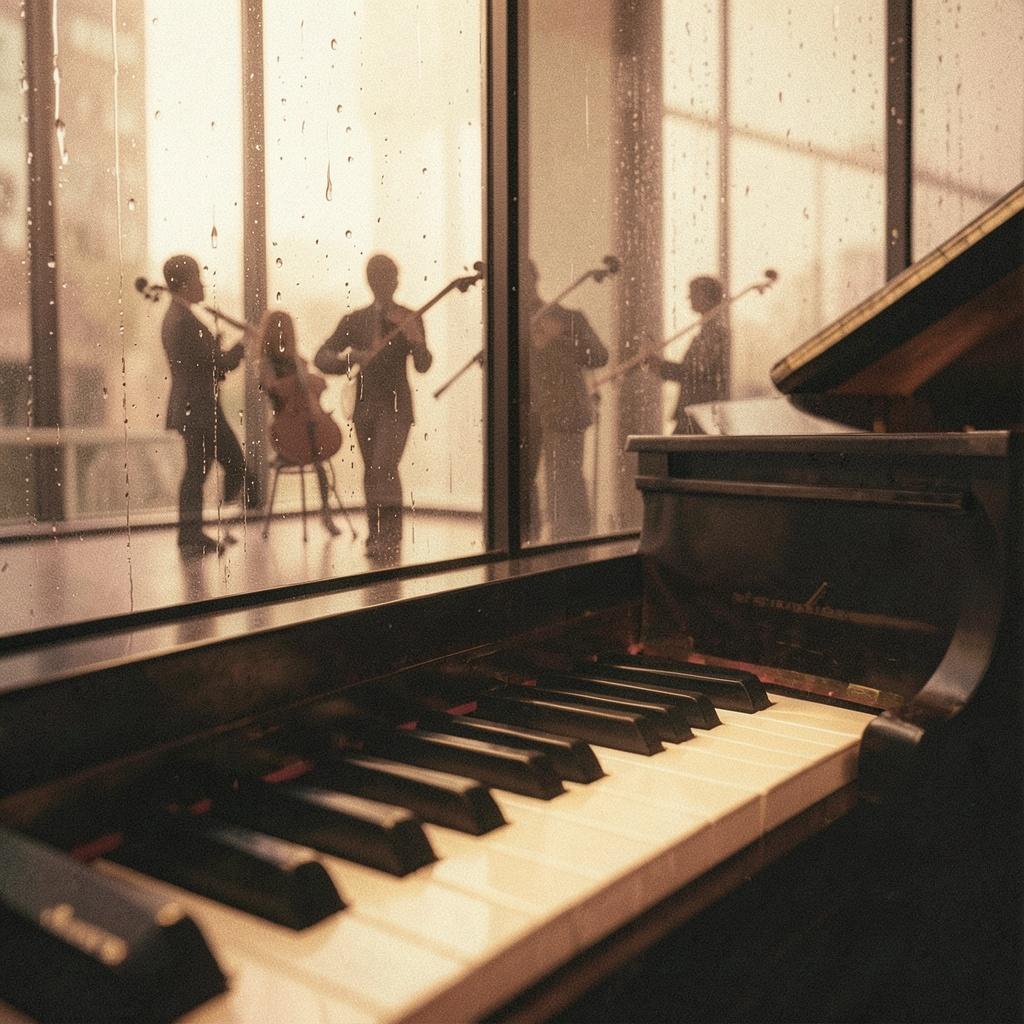
A piano phrase that crosses the bar line, a low cello answer and strings that build toward a cadence give romantic classical music a long, flexible shape. With Suno, you can build a track around a delayed entrance, a three-beat sway, a melody that climbs by degrees or a coda that unfolds slowly. The result can range from intimate piano writing to a full orchestral swell. Romantic classical rewards close listening and bold, patient phrasing.
Showing 16 of 16
 5:24Joyful, Radiant And Deeply Emotional Romantic Classical Orchestral Masterpiece For Grand Piano, Solo Violin
 3:23Lyrical Romantic Classical Piano Concerto, Robert Schumann Style, Intermezzo
 2:32Four Part Long Baroque-romantic Concerto Built Around A Single Dripping/clicking Motif, Led By Bright Harpsichord Arpeggios, Contrapuntal Strings
 4:09Style & Genre: Baroque Romantic Fusion, Style Antonio Vivaldi, A Joy Orchestral
 5:33A Soft, Introspective Piano-led Piece In The Style Of Romantic Classical Music, Inspired By Chopin. The Song Feels Like Chopin Himself Is Quietly Speaking To The Listener In The Afternoon Light. Gentle Rubato Tempo
 2:59Luminous Romantic Classical, Slow 60 BPM, Solo Stradivarius Violin Floating Above A Very Soft Piano And Delicate Chamber Orchestra. Begin In Near Silence With A Single Warm Violin Phrase
 4:31Dramatic Romantic Vallenato, Strained Crying Vocals, Emotional Accordion Solos
 3:13Exuberant Romantic Classical Piano Concerto, Robert Schumann Style, Allegro Vivace Finale
 4:31Four Part Long Baroque-romantic Concerto Built Around A Single Dripping/clicking Motif, Led By Bright Harpsichord Arpeggios, Contrapuntal Strings


Romantic classical in the art song
A romantic art song often centers on a close exchange between a sung line and the piano. The piano marks harmony while also sketching weather, motion or a recurring image between vocal phrases. These figures can return in altered shape as the text grows more urgent. The singer often moves from speech-like intimacy to a broader arc, and flexible timing lets a phrase lean into a word before the accompaniment catches up. That relationship keeps the substyle at chamber scale while preserving its dramatic charge.
Shape the opening modestly, let the piano carry a recurring figure and reserve the widest register for the emotional turn. A held note under the vocal line can make a cadence feel suspended. A sudden piano descent can darken the next phrase without changing the steady pulse. When the text matters, write lines with room for long vowels and clear stresses, then keep the delivery close, urgent or restrained. Keep the harmony moving through color shifts and delayed arrivals. The result can feel intimate even when the final phrase opens outward.
The cello carries one note through changing harmony
Give the cello one clear job across the arrangement. Begin with a held low note beneath the piano, then let the changing harmony add motion around it. In the middle, the cello can take a fragment of the main melody and stretch it across longer values while the violins add brightness above it. At the crest, a fuller cello register can fill out the cadence without weighing down the low end. As the energy falls away, return to the opening note in a changed harmony. The repeated timbre gives the arrangement continuity from one stage to the next.
This approach shapes romantic classical music without adding every orchestral element at once. Leave space around the cello, use a piano figure with gaps and let the strings enter in layers. A late pizzicato pulse can add motion to the descent, while a bow returning to a sustained tone restores the broad line. The same approach works for a chamber-sized piece or a larger score as long as the cello remains easy to follow. Keep the cello's role clear from start to finish and keep the surrounding palette spare. That focus leaves room for rubato, harmonic surprise and a final cadence that settles slowly.
Shape a three-beat sway into a full arc
A held cello note beneath a piano figure provides the first anchor. Build the passage from three choices. Set a gentle three-beat sway with room for rubato. Choose a dark cello-led texture, with the upper strings entering only at the crest. Reserve the strongest structural lift for a middle passage that opens into a broad coda. These decisions work together. The rhythm leaves space, the texture keeps the lower register present and the form makes the arrival feel earned.
Let a high solo violin arrive after the piano has established the phrase. The upper line should add lift without thinning the harmony, and the return of the opening figure should still feel connected to the middle swell. If the violin begins too early, the piece may lose the suspense created by the cello's held opening note. Wait until the harmony has turned. Keep the final cadence quiet. Let the piano arrive a breath after the strings. Keep one low note beneath the piano.
Frequently asked questions
- Is a large orchestra essential to romantic classical?
- Large forces provide one possible scale. A solo piano piece, a string quartet or a song with piano can carry the style through flexible timing, expanding harmony and a melody that reaches beyond the bar. Orchestral weight changes the scale. The style can still get its expressive force from a lingering phrase and a charged cadence. Listen for how the music shapes time and harmony before judging it by the size of its ensemble.
- Why does rubato matter in a romantic-era phrase?
- Rubato gives a performer time to lean into a phrase, ease the tension and let an important arrival breathe. The underlying pulse can stay perceptible even as individual notes stretch or hurry. In piano writing, a left-hand pattern may keep the motion grounded while the melody takes a little extra time. The effect depends on restraint. Too much flexibility can blur the form, while a measured lift makes the return of a theme feel newly charged.
- What distinguishes a romantic art song from a symphonic poem?
- An art song usually keeps its drama close to the voice and piano, joining a sung melody to a piano part whose figures can comment on or deepen the text. A symphonic poem generally gives the orchestra a broader span, using recurring themes, changing orchestral colors and a large-scale arc to suggest a story, image or idea. The difference often comes down to scale and method, with room for overlap. Both forms rely on melody, harmony and pacing to shape the listener's attention.