Rock and Roll Music
Boogie-woogie piano under a hard backbeat puts rock and roll in motion before a singer enters. Music made with Suno carries that tradition into a song. Walking bass, clipped guitar and handclaps establish the sound, while a stop-time gap or saxophone cry sets up the turn. The style gets its energy from a steady pulse with small interruptions. For a maker, the key details are the groove's physical pull and the band's return after a break.
Showing 13 of 13
 3:47Era Style 1959 1962 Teen Ballad Early Rock N Roll Tempo 104 Bpm Moderate Swing Slow Jive Instrumentation Upright Bass With Walking Groove Brushed Drums And Rim Click Snare Clean Tremolo Guitar Soft Doo Wop Backing Sha La La Oh Oh Oh Subtle Piano And Glockenspiel For Sparkle Male Lead Or Mixed Vocal Group Harmony Vocal Direction Tender Croon In The Verses A La Pop, Rock, Doo-wop
 4:191960s British Rock & Roll, Energetic And Raw, Upbeat Tempo Around 140 BPM
 3:22Upbeat Vintage 1960s Twist / Rock & Roll Reunion Party Song, Joyful And Humorous, English Lyrics
 3:45Fast Early Mexican Rock & Roll, Late 1950s / Early 1960s, Energetic And Highly Danceable
 4:18Bass Guitar, Drums, And Male Vocals. The Acoustic Guitar Plays A Percussive Strumming Pattern With Frequent Hammer-ons And Pull-offs
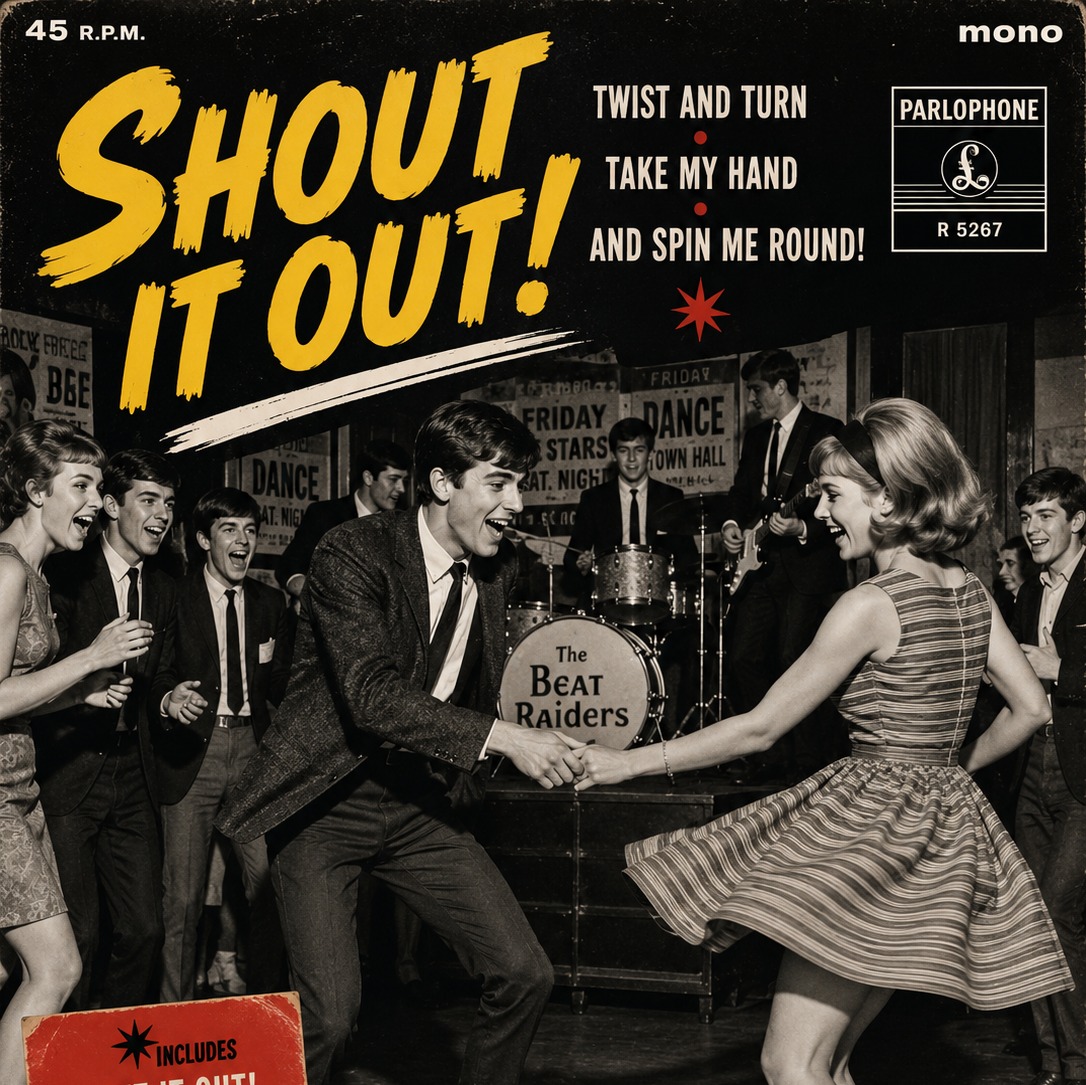




Rock and roll starts in the ankles
Listeners can feel the difference between a straight backbeat and a shuffle before they name either one. A straight pulse puts the snare on even beats and lets the bass push the next step forward. A shuffle gives the back half of each beat a little drag, so the same pace feels springier in the ankles and shoulders. Walking bass keeps the rhythm moving, while a boogie-woogie left hand adds a rolling figure that can sound busy without making the band rush.
Rock and roll gets energy from the space between those parts. A clipped guitar chord lands close to the snare and tightens the rhythm. A longer guitar note leaves more space. Handclaps give the refrain a shared lift, and a saxophone burst can make the upper part of the arrangement rougher without changing the underlying pulse. A speed label alone does not describe the physical pull. A backbeat plants the feet and a shuffle loosens the knees. A bass line leans forward. The arrangement determines how much pressure reaches the body.
The opening bar shapes the ending
An opening count-in, a short piano pickup or a guitar jab gives the first bar a clear character. The full rhythm section does not need to arrive at once. Let the bass establish the walking pattern, bring in the snare with the backbeat and keep the guitar answer short enough to leave room in the groove. A verse often stays lean around the vocal phrase. A refrain then gains width through handclaps, a higher guitar line or a saxophone reply.
The band makes the turn sharper by dropping out. Stop-time leaves a gap for a shout, a unison hit or a single drum accent. The bass then pulls the song onward. That break feels sharper when earlier sections keep their attacks distinct. Near the end, a clean cutoff, a held guitar chord or a final saxophone tag can finish the arrangement. The close often echoes the opening rhythm without repeating it exactly. A sudden gap at the end often gives the final hit a sharper edge.
Too many details bury the backbeat
The stop-time gap that sharpens the refrain also exposes a common mistake in describing the music. Early descriptions often pile on labels such as lively, retro or powerful and name several instruments without saying what any part does. The result lists parts without showing how they work together. The musical jobs should be clear. A walking bass keeps the rhythm moving. The snare plants the backbeat, and a guitar hit leaves space.
In a Suno arrangement, a boogie-woogie left hand, a compact guitar answer and handclaps can form a clear sequence. The piano carries a rolling low figure beneath the guitar. Handclaps arrive at the refrain, and the band drops into stop-time before a saxophone cry. If the arrangement feels crowded, remove adjectives before removing the gap. If it feels flat, give the closing accent a sharper attack or let the final chord ring past the drums. Those choices show where the body should move and where the arrangement should leave space.
Frequently asked questions
- What role does a boogie-woogie piano play in rock and roll?
- Boogie-woogie piano supplies motion inside the beat. Its left hand often repeats a rolling bass figure that gives the rhythm section a low foundation, while the right hand adds bright chords or brief fills above it. That division leaves room for the snare to mark the backbeat and for a guitar or saxophone to speak between vocal phrases. A maker shaping this texture should decide whether the piano drives the whole verse or appears as a sharper accent at the refrain.
- Does a steady rock and roll groove still feel urgent in the body?
- Steady tempo does not decide the whole physical feel. A firm backbeat can make the feet land squarely, while a shuffle gives the rear half of each beat more lift and drag. Walking bass adds forward pressure, and a sparse drum part leaves the snare exposed enough to feel urgent. Extra cymbal work or a crowded piano part spreads attention without necessarily increasing force. The body responds to spacing, attack and subdivision as much as it does to speed.
- At the final hit, what lets a rock and roll song close cleanly?
- Rock and roll often opens with a count-in, a piano pickup, a bass walk or a guitar strike that gives the first full bar a clear shape. A stop-time break marks the main turn by removing the rhythm for a shout or unison hit. The song closes with a clean cutoff, a ringing chord or a final saxophone tag. An ending feels prepared when its attack, gap or register has appeared earlier in a smaller form.