Polka Music
A bright polka can land like a clean ballroom two-step or loosen into a bandstand sway, and both choices are worth hearing in AI-made tracks built with Suno. The deciding clues sit in the rhythm. A bass note plants the first step. A clipped chord lifts the second and an accordion or brass phrase pulls the melody onward. To make your own version, start with the pocket, ensemble color and shape of the returning tune. The genre name alone leaves those musical choices open.
Showing 15 of 15
 2:24Polka Featuring A Lead Accordion And A Backing Ensemble Of Acoustic Guitar And Double Bass. The Accordion Performs A Highly Syncopated, Staccato Melody Characterized By Rapid Trills And Chromatic Runs. The Acoustic Guitar Provides Rhythmic Accompaniment With Percussive Up-strokes On The Off-beats. The Double Bass Plays A Consistent Two-beat Pattern, Alternating Between The Root And Fifth Of The Chord. The Arrangement Follows A Binary Form With Distinct A And B Sections
 2:57Polka. The Arrangement Features A Bright, Staccato Accordion Playing The Lead Melody And Rhythmic Accompaniment. A Tuba Provides The Bassline, Emphasizing Beats 1 And 3 In A 2/4 Time Signature. A Drum Kit Maintains A Steady Polka Beat With A Crisp Snare On The Backbeats And A Tight Hi-hat. A Glockenspiel Or High-pitched Bell Synth Doubles The Accordion Melody During The Main Theme
 4:19Polka. The Arrangement Features A Prominent Accordion Playing The Lead Melody And Harmonic Accompaniment, Supported By A Tuba Providing The Bassline On Beats One And Three. A Drum Kit Maintains A Steady 2/4 Polka Beat With A Crisp Snare And Hi-hat. An Acoustic Guitar Provides Rhythmic Strumming On The Off-beats. The Piece Is In The Key Of G Major With A Tempo Of 125 BPM. The Accordion Utilizes Rapid Bellows Shakes And Trills During Melodic Flourishes. The Tuba Follows A Traditional Root-fifth Alternating Pattern. The Structure Alternates Between A Primary Melodic Theme And A Secondary Bridge Section With Increased Syncopation In The Accordion Lines.




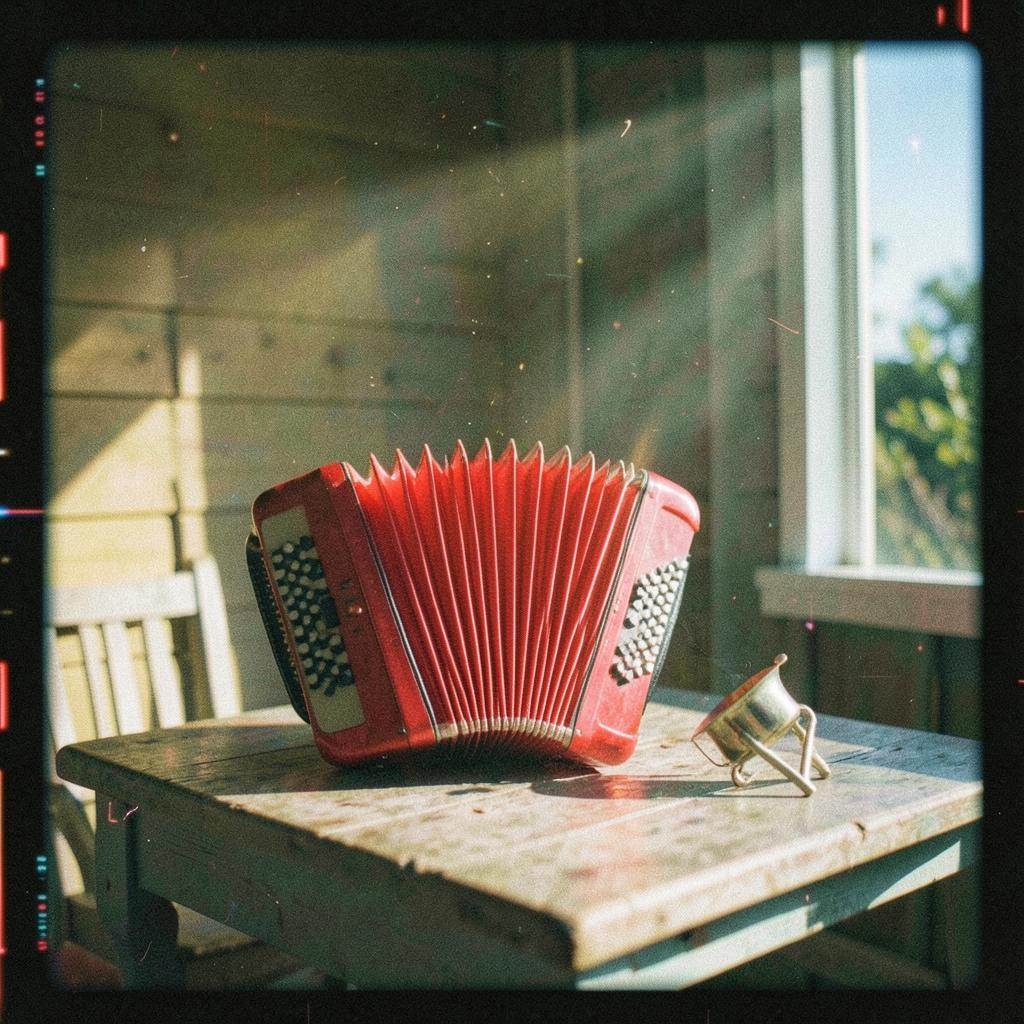
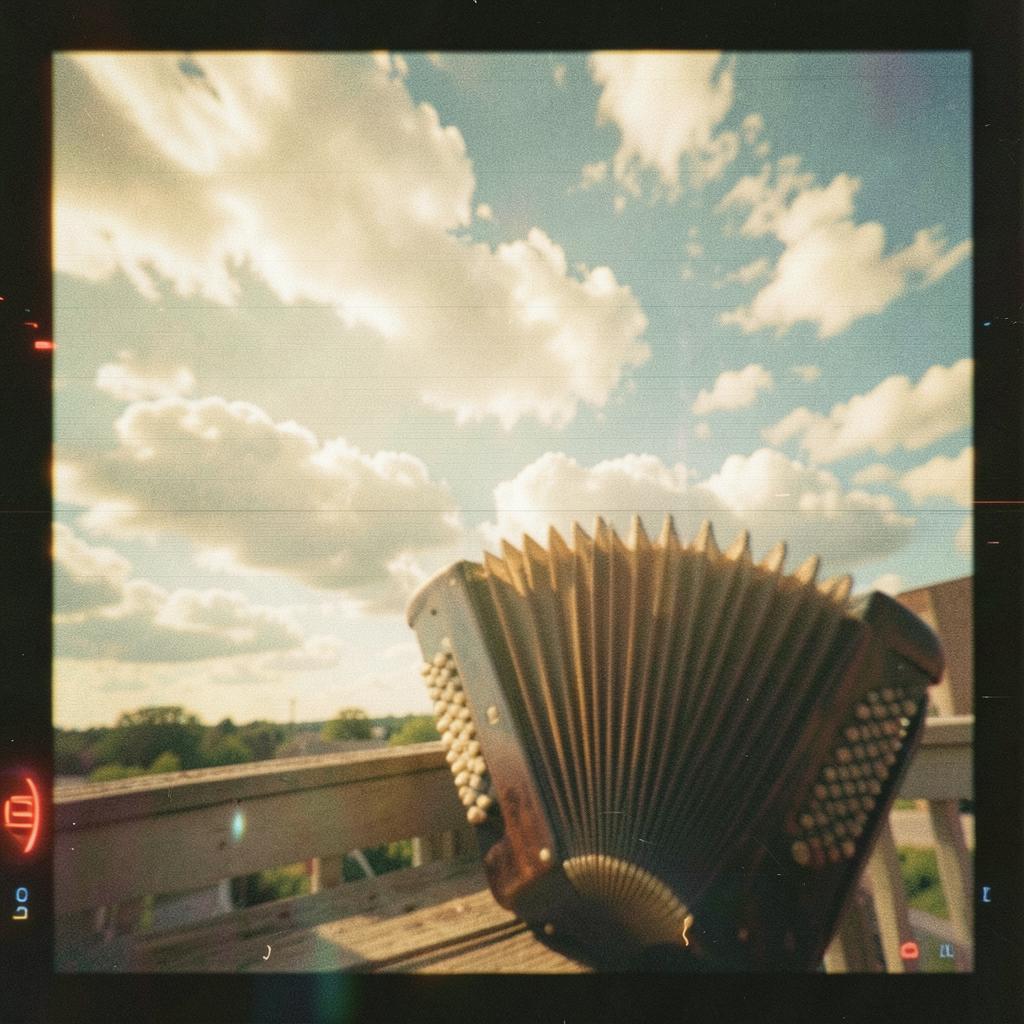
Polka between ballroom snap and bandstand sway
The accompaniment's treatment of the step matters more than a national label. A clipped two-beat pattern keeps the bass and chord close to the floor and lets the melody snap into a clear return. A looser arrangement rounds the attack, lets the offbeat breathe and gives the tune a little sway before it settles. The compact phrases and recurring strains associated with polka fit either approach. Each creates a different kind of motion within the same dance pattern.
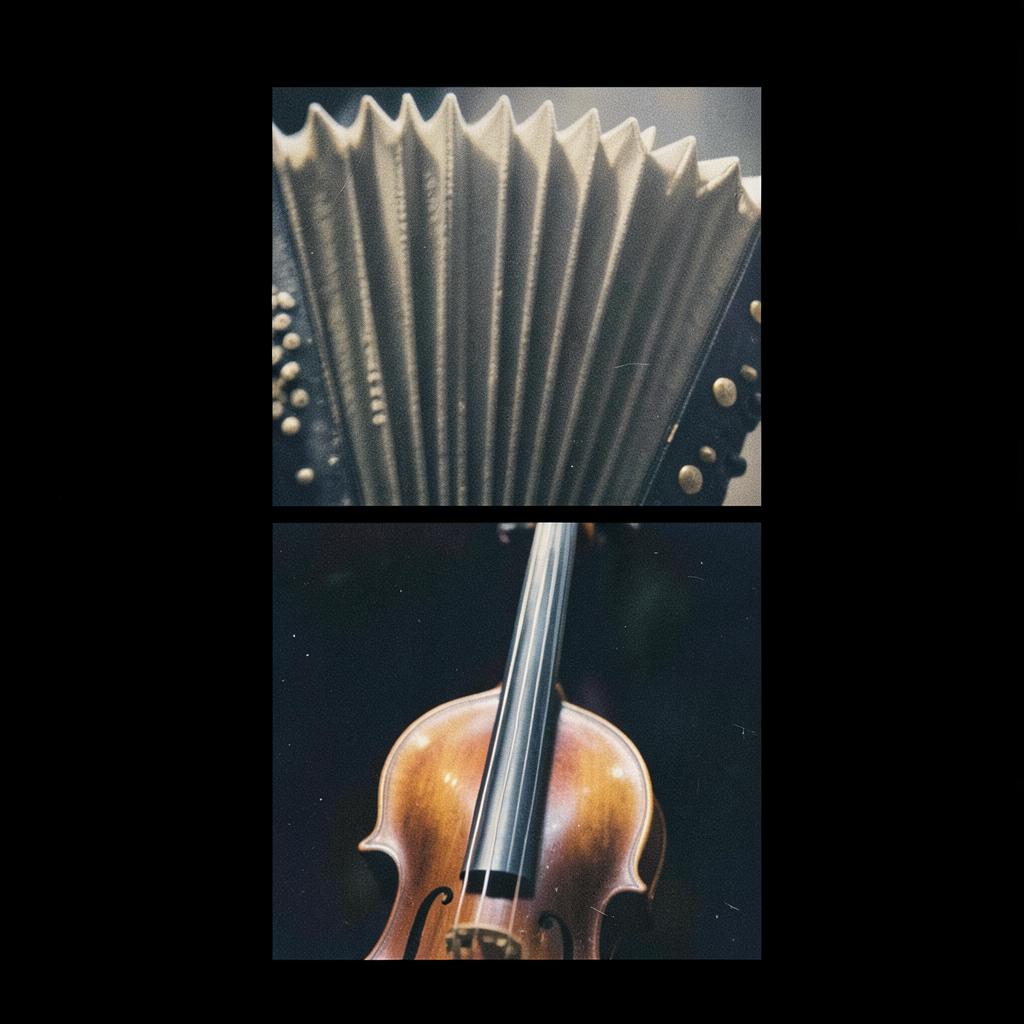
Instrument color sharpens the choice. An accordion or concertina often keeps the melody close and reedy, while a clarinet can slip through the upper register with quick, narrow turns. A fiddle gives the phrase a bowed texture. Low brass or tuba gives the beat more weight. A small ensemble leaves gaps around the tune, so each offbeat lift reads clearly. With a fuller band, the refrain widens, the melody opens into a bright communal shout and the return feels like a fresh pass through familiar material.
Feel the floor in polka's two-step
The downbeat lands like a footfall. It plants the body, then the offbeat releases it just enough for the next step to feel eager. Bass, tuba or piano can give the low part weight at the landing. A short chord or handclap on the lift keeps the upper body moving without crowding the tune. The pulse feels brisk when every attack is tight. It feels buoyant when the players leave a sliver of air around the accents. That tiny release gives the next phrase somewhere to go.
The feeling changes with phrasing. With a pickup, the melody leans into the planted beat and seems to arrive early. A held note stretches the step, then a quick run tucks the phrase back into place. A snare, cymbal or sharp brass attack underlines the phrase, yet constant percussion can dull the lift. Shoulders rising on the offbeat and boots landing cleanly under the bass describe the pulse better than a speed label.
Give the accordion a place to answer
That planted footfall and shoulder lift give you a way to shape a polka arrangement. A label-heavy description such as upbeat polka with accordion names a category and one instrument but leaves the motion blank. Build the arrangement from a firm bass landing, a brief offbeat chord, a melody that gathers into a recurring strain and an accordion phrase that leaves space for a brass reply. Those details give the maker a musical shape to develop and leave room for changes in the arrangement.
Put the pulse before the decoration. With Suno, describe a squared, crisp step or one loose enough to sway, then name the low instrument, the offbeat lift and the place where the ensemble opens out. If a sung verse carries a harvest story, write those lines yourself and describe a plainspoken delivery that leaves room for the band's replies. For a wordless passage, let strain changes do the storytelling through register, pauses and returning melody. Specific choices leave room in the arrangement, so the feet lead and the band fills in around them.
Frequently asked questions
- Can a polka keep its bounce in a minor key?
- Yes. Minor harmony shades the tune without erasing the two-step feel. It lends the melody a wistful or shadowed color while the bass still marks the step and the offbeat chord keeps the body moving. Harmony changes the atmosphere, though the arrangement carries much of the identity. A clipped accompaniment, recurring strain and clear lift into the next phrase make a minor-key polka feel rooted in the dance.
- Why do many polkas return to short strains?
- Short strains make the melody easy to recognize and give a dance band a clear path through the arrangement. A first section may establish the tune. A contrasting section may shift the register or harmony, and a return restores the familiar hook. Repetition also leaves room for small changes in articulation, fills or ensemble weight. A spare pass keeps the texture open. A later pass brings in brass, thicker chords or a higher melodic line without losing the steps underneath.
- What gives Texas Czech polka its regional accent?
- Texas Czech polka carries a Central European dance tradition into the Texas band tradition, where accordion, fiddle, saxophone and brass may share melodic and rhythmic duties. The pulse stays tied to the two-step, while country playing and Mexican-American musical exchange can shape the phrasing and ensemble color. Some bands use that mix often. Others choose a different front line. The regional blend comes through in the way the lead instrument passes the tune from strain to strain.