Opera Music
Opera turns a clipped confession into an aria, then opens space for a duet or chorus. AI-made tracks in this tradition follow that staged turn. In Suno, begin with the dramatic decision. Choose the first speaker, the orchestra's withheld answer and the later entrance of another voice. Keep the vocal pacing flexible. Let the harmony answer the words and let the closing cadence respond to the tension created by the ensemble's entrance.
Showing 19 of 19


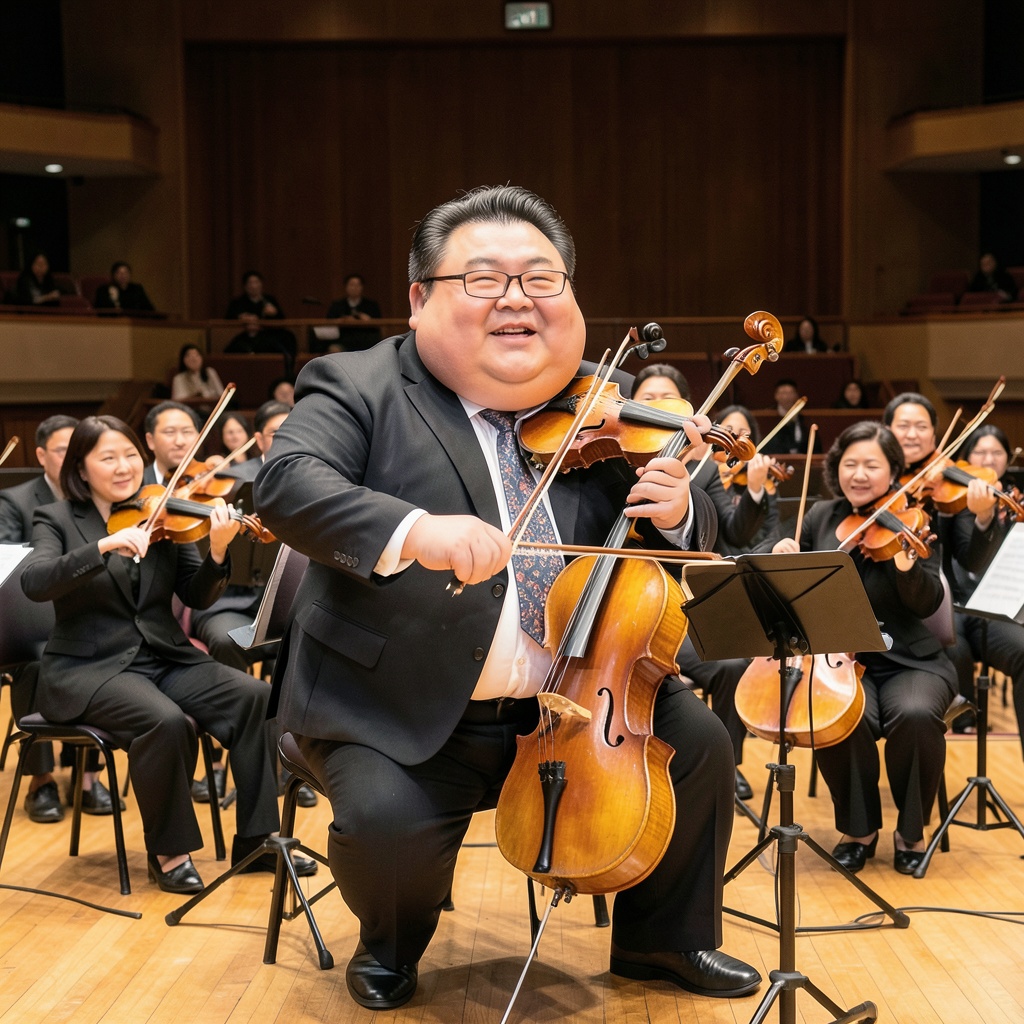









Keep recitative close to speech
Starting with the aria leaves little room for the drama to build. Give the opening recitative clipped phrases, uneven lengths and pointed rests so a question or accusation can gather force before the sustained line appears. Let the orchestra follow those shifts without covering them. A pause before the aria leaves the next sustained note exposed. A keyboard-like pulse, low strings or a spare chordal bed can support the transition. Accompanied recitative may also carry a substantial orchestra when the singer keeps speech-like pacing and the accompaniment changes with the thought.
Volume is only one sign of arrival. Keep an important revelation over light support and let the character remain guarded during a restrained aria. Use a new register, a rising figure or a fuller cadence to mark the transition. When the ensemble builds pressure, add voices one at a time so each entrance answers what came before. Give the group a new rhythmic layer or shared cadence only after the first voice has finished its turn.
A bassoon line follows the vocal entrances
Choose one low woodwind color to carry a question through the track. A bassoon's dry attack can answer the first recitative phrase with two or three notes, then retreat while the singer gathers a longer aria. Under that aria, hold a quiet counterline or let the bassoon rise into the spaces between breaths. Keep its register low at first, then let the color rise with the principal voice. Keep the instrument connected to that tension without letting it become a second lead.
When the ensemble arrives, bring the bassoon back in a different register or pair it with violas so its earlier sound returns in a different form. Short replies separate the entrances and a longer tone steadies the harmony beneath a crowded phrase. At the close, let it echo a fragment of the opening question before the orchestra settles, or leave the question unresolved under the final voice. Keep the bassoon audible enough to connect the solitary opening with the ensemble's shared tension.
Let the bassoon answer before the aria
Place the bassoon's two-note answer at the far edge of a dim rehearsal room, before the orchestra fills the space. A single low note sounds first, followed by a dry woodwind reply and one clipped recitative phrase close to speech. Let a thin string tremolo arrive second, widening the texture without covering the words. Hold back the aria's long line until the question becomes a decision.
Use Suno to shape that sequence into a compact dramatic setting. Give the setting one principal voice and a speech-like opening. Add bassoon replies and gathering low strings, then let the aria enter only after the vocal rhythm tightens. Keep the chorus outside the first exchange, then bring it in behind a duet or a larger ensemble. If the words carry an accusation, write lines that change direction halfway through and give the singer a clear reason to press forward. End with a firm cadence after the ensemble gathers or with suspended harmony under the final voice, depending on the tension at the close.
Frequently asked questions
- What does a bassoon add to an opera ensemble?
- A bassoon supplies a low woodwind color that sits between the singer and the lower strings. Its reedy attack can answer a clipped recitative phrase, then lengthen into a supporting line under an aria. In a crowded ensemble, short bassoon replies help separate entrances and give the harmony a darker edge. Keep it in the arrangement without making it the lead. Bringing back its opening figure near the cadence connects the ending to the opening.
- Why can recitative feel urgent without a fast beat?
- Recitative takes its flexibility from speech. Short phrases, sudden rests, repeated words and quick harmonic changes create pressure even when the underlying tempo stays measured. A singer's entrance after a silence can feel like an interruption, while a sustained aria shifts urgency into a longer breath. Describe the energy as clipped, watchful or pressing, then pair it with an accompaniment that leaves the vocal timing exposed.
- Does opera usually open with an aria or close with a chorus?
- Opera has several opening and closing patterns. An orchestral prelude, chorus, recitative or aria may establish the first dramatic question. A finale often gathers soloists with an ensemble or chorus. An intimate ending can remain with one voice and a spare accompaniment. The opening should establish which voice carries the pressure. Choose the close according to whether the drama needs public release or a private echo.