Merengue Music
Catch merengue in the dry rasp of the güira, the tambora's low and high strokes and the bass that keeps the dancers' two-step moving. Those relationships appear in AI-made merengue tracks from Suno as the arrangement moves from the entrance and vocal exchange into a fuller section. Use that sequence to shape the music. Merengue gets its lift from placement as much as speed. Set the accents, leave room for the answer and decide how the last stroke should settle.
Showing 19 of 19
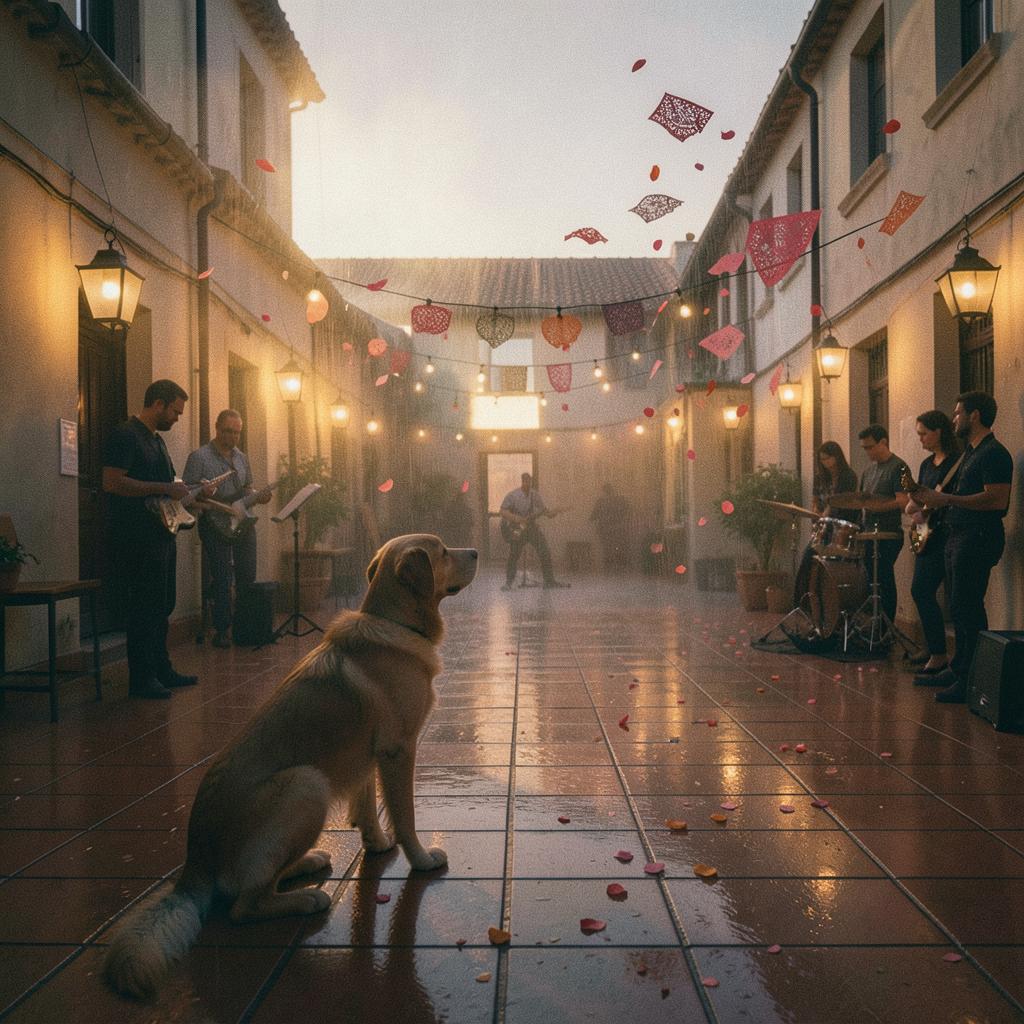






A merengue voice meets the tambora's two-sided pattern
Merengue's vocal energy comes from the exchange between a lead line and the surrounding voices. A lead voice often carries a compact verse with crisp diction. The coro then answers as a group, tightening the rhythm while preserving the singer's character. The balance depends on weight as much as volume. A low, close lead gives the percussion room; a brighter register cuts through a fuller ensemble. Performances use several vocal registers, so no single register defines the tradition.
Quick merengue syllables fit the lyric into the rhythm. If you write a verse in the language you know best, its vowels, consonants and natural stresses give you material for quick turns, held notes and a clean coro entrance. With Suno, choose the lead register, decide how close the group sounds and place the answer. For instrumental merengue, let a short accordion phrase or brass figure take the role of the reply, with the tambora marking the gap. The instrumental reply still needs a clear shape. Keep the verse lean enough for the answer to land, then let the group phrase push the song into its next section.
Merengue's güira needs room in the mix
The güira sits high in the mix, so give its scrape enough room to stay clear. A close, dry sound keeps each pass clear, while a larger room softens the scrape and gives the tambora more low-end weight. When spoken words share the mix, keep the güira in a narrow bright band and let the bass carry its two-step pull without extra thump. This keeps the genre's fine rhythmic detail clear beside another focal line.
At a refrain, accordion, piano and brass often fill the middle register, yet the tambora still needs room to come through. A brief break clears the middle before the group vocal returns, and the held chord arrives after the percussion has re-established its pattern. In a room with long reverberation, trim the thickest layer so the güira stays clear. These choices keep the scrape, the drum's two strokes and the bass line's movement easy to pick out. The groove holds together when each register has room.
The dry güira opens the first bar
The dry güira scrape gives the first bar its outline, and the tambora answers with its low stroke, then a high one. With Suno, start with a lean merengue entrance and bring in the bass after the percussion establishes its two-step pull. Bring in a compact lead phrase and leave a clean pocket for the coro. At the first turn, use accordion or brass as a bright middle-register accent, then leave space around it. Keep the güira exposed as the texture grows.
Let the next passage widen through a group vocal, a busier piano figure or a fuller tambora pattern, then remove one layer before the final return. For a more relaxed pambiche feel, use syncopated spacing and a slower gait, so the feel changes through placement as well as pace. Without a singer, assign the reply to accordion, brass or a short melodic figure and leave the percussion's accents intact. Settle on a held chord with the final güira pass bright above the closing tambora.
Frequently asked questions
- Which traditions shaped the accordion and percussion in Dominican merengue?
- Merengue is closely tied to the Dominican Republic, where accordion-led rural practice and larger ensemble traditions form part of a broader Caribbean musical context. The tambora and güira give it a recognizable rhythmic feel, while bass, piano, brass and voices change the scale and color. The tradition spans more than one performance setting, so no single lineup defines it. Merengue típico and pambiche represent distinct forms within the broader tradition.
- At a fast merengue tempo, which details separate a clear arrangement from a crowded one?
- Merengue's fast pulse supplies motion; the groove still needs clear relationships. Keep the güira's steady scrape audible beside the tambora's low and high strokes, then let the bass connect those accents without filling every gap. A lead line gains character from a clear coro answer or a short instrumental reply. Section changes also matter. Add weight at the right return, then thin the texture enough for the next accent to register. The groove stays buoyant when the parts relate and the full texture arrives selectively.
- What marks merengue típico when the accordion leads?
- Merengue típico is a Dominican strand commonly associated with accordion, güira and tambora. Saxophone is also common in many modern ensembles. The accordion often takes a prominent melodic role, and instrumental passages leave room for quick exchanges and syncopated turns. Its rhythmic feel is not a single fixed pattern, since players and settings vary. Merengue típico is one form of merengue, with its own ensemble history and accent choices.