Lounge Music
Choose between a brushed swing that arrives a shade late and bossa guitar whose thumb keeps a steady bass pulse beneath clipped chords. Choose the bass weight, chord color, tempo and vocal distance, then leave room for a single accent to change the feel. Lounge music rewards a soft touch, close harmony and enough side eye to avoid sitting still.
Showing 16 of 16
 5:47Genre: Sultry Retro Jazz-funk Lounge Bossa Nova Tempo: 90-100 BPM Mood:, Alluring, Playful Tease Instruments: Guitar: Type: Electric Effects: Wah-wah Pedal Dips/swells
 3:20Intro With Brushed Drums And Warm, Round Bass, Joined By Airy Analog Synths Or A Vintage Farfisa Organ. Verses Glide Over Subtle

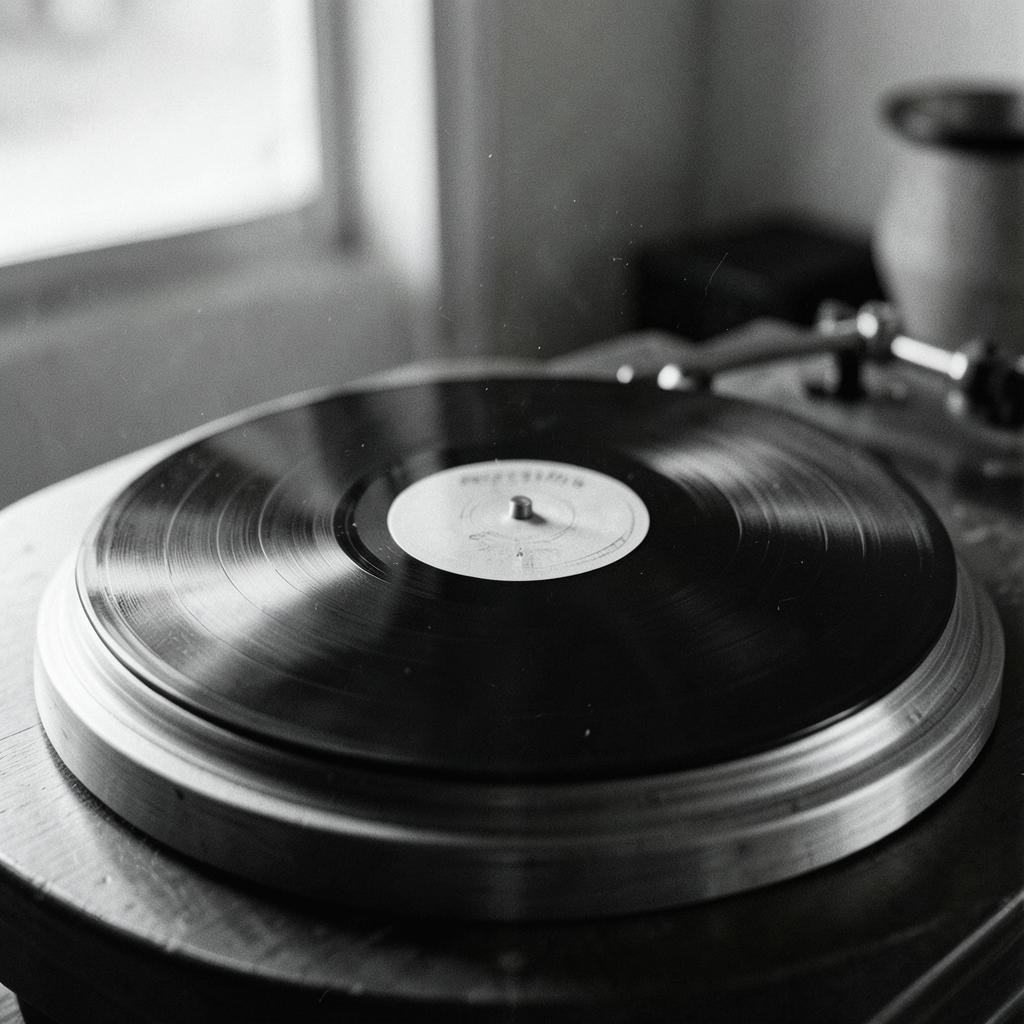








Lounge music between a late backbeat and a clipped guitar
That choice is less about speed than where the bar places its emphasis. A brushed swing puts the snare's soft sweep a fraction behind the pulse, while a rounded bass line gives the groove a gentle drag. Electric piano can keep the harmony plush with seventh, sixth and ninth chords, especially when the left hand leaves the low end clear. The result is unhurried without going limp. A bossa approach moves the interest into the guitar. The thumb keeps a quiet bass line while clipped fingers answer around it. The surface stays calm, yet the offbeat pattern gives the groove a little glint.
To hear the difference, follow the handoff from bass to accent. The next bar may gather weight in the low register or shift after a guitar jab. Close vocals suit both directions when the singer leaves space around the consonants and lets a phrase sit inside the harmony. A refrain does not need a large lift. One brighter chord, a muted brass reply or a slight widening of the percussion may be enough to change the feel. Leave the last half beat to the guitar and the groove can turn naturally.
Bossa nova puts the bass in the thumb
In bossa nova, the guitar splits its work. A nylon string thumb outlines a quiet bass motion while the fingers place compact chords across the beat, keeping the harmony close. Its Brazilian lineage helps explain the rhythmic ease. The pattern often carries syncopation informed by samba without making the arrangement percussion heavy. A shaker, rim click or light brush can mark selected gaps, so the guitar's small shifts stay clear.
Harmony works as a second layer of restraint. Major sevenths, sixths and ninths tint the changes, and a low voice or vibraphone line can answer without crowding the middle. Let an intro establish the guitar alone, bring in a close melody after a few bars and reserve the brightest color for a short refrain. A muted brass phrase is one option for that reply, not a rule of the style. An ending might trim the percussion, shorten the final phrase or let one sustained chord hang. Choose a clean resolution or leave a little air after the last accent. Give that accent room to land.
A clear bass line beats a cloud of adjectives
The thumb bass and late brush stroke serve different roles, but an initial description of this sound often lists adjectives such as smoky, classy, cinematic and relaxed alongside too many instruments. That wording names an atmosphere without explaining how the groove should move. Build the sound from a few specific musical choices. With Suno, use brushed swing with the snare slightly behind the pulse, rounded bass in a short repeating figure and electric piano voiced above a clean low register. For the bossa shade, use nylon string guitar, steady thumb bass, clipped finger chords and light percussion that enters only in chosen gaps. Keep the energy unhurried with a quiet forward pull, and let the tempo support that feel.
A close vocal may enter after the guitar has established the pocket, or a vibraphone can take the melody while the rhythm section stays spare. Let the refrain add one brighter chord or a muted brass answer, and let the ending lose a layer before the final phrase. The arrangement works when each instrument has a task and the beat still has room to misbehave politely.
Frequently asked questions
- Which instrument makes lounge harmony feel plush without turning cloudy?
- Electric piano anchors this texture because extended chords can sound warm without filling every register. A brushed snare or soft mallets keep the attack rounded, while nylon string guitar adds dry, close detail. Vibraphone brings a glassier shimmer when the upper line needs brightness. The best blend depends on spacing. Let the bass hold the low end, keep the middle open and give each accent a short life. The texture stays clear when the parts do not all speak at once.
- What keeps a measured lounge groove from going slack?
- A measured pulse stays alert when its accents keep moving. A bass figure that reaches toward the next bar, a guitar chord just off the beat or a brush stroke that arrives late can create a gentle pull without demanding a louder chorus. Harmonic extensions add another kind of motion, especially when a sixth, seventh or ninth changes the color under a held melody. Relaxed energy with a quiet forward pull keeps the arrangement poised without making it sleepy.
- Do lounge arrangements tend to enter spare and leave softly?
- An understated opening often lets one element set the pocket. It might be a guitar figure, a brushed pickup or a held electric piano chord. The melody can arrive after the harmony has made space for it. At the other end, thinning the percussion, shortening the final phrase or allowing a sustained chord to linger keeps the ending soft. A clean resolution and a little air after the last accent both suit the style when the final accent has room to land.