Klezmer Music
A bent clarinet note comes first, then the violin answers and the dance pulse enters a breath later. In AI-made klezmer tracks, that order gives the listener a clear detail to follow. In Suno, that order becomes a choice about how long the lead stays exposed before brass and low strings enter. Keep the catch, the open timing and the dance turn distinct, with the first entrance light enough for the ornament to remain clear.
Showing 14 of 14
 1:11Klezmer Instrumental, Traditional Eastern European Jewish Style. Lead Clarinet With Expressive Bends, Krekhts And Slides; Second Violin Doubling Melody In Thirds; Accordion Sustaining Harmonic Bed; Upright Bass Walking In 2/4; Tsimbl (hammered Dulcimer) Light Rhythmic Fills. Mode: Freygish (Phrygian Dominant). Tempo 118 BPM. Start With Свободная Rubato Taksim-like Intro On Solo Clarinet
 2:45If Japanese Lyrics Are Used, They Must Be Sung Clearly. This Is A Light, Playful Klezmer-inspired World-folk Song With Japanese Acoustic Touches. Clarinet Leads With Expressive Slides And Trills





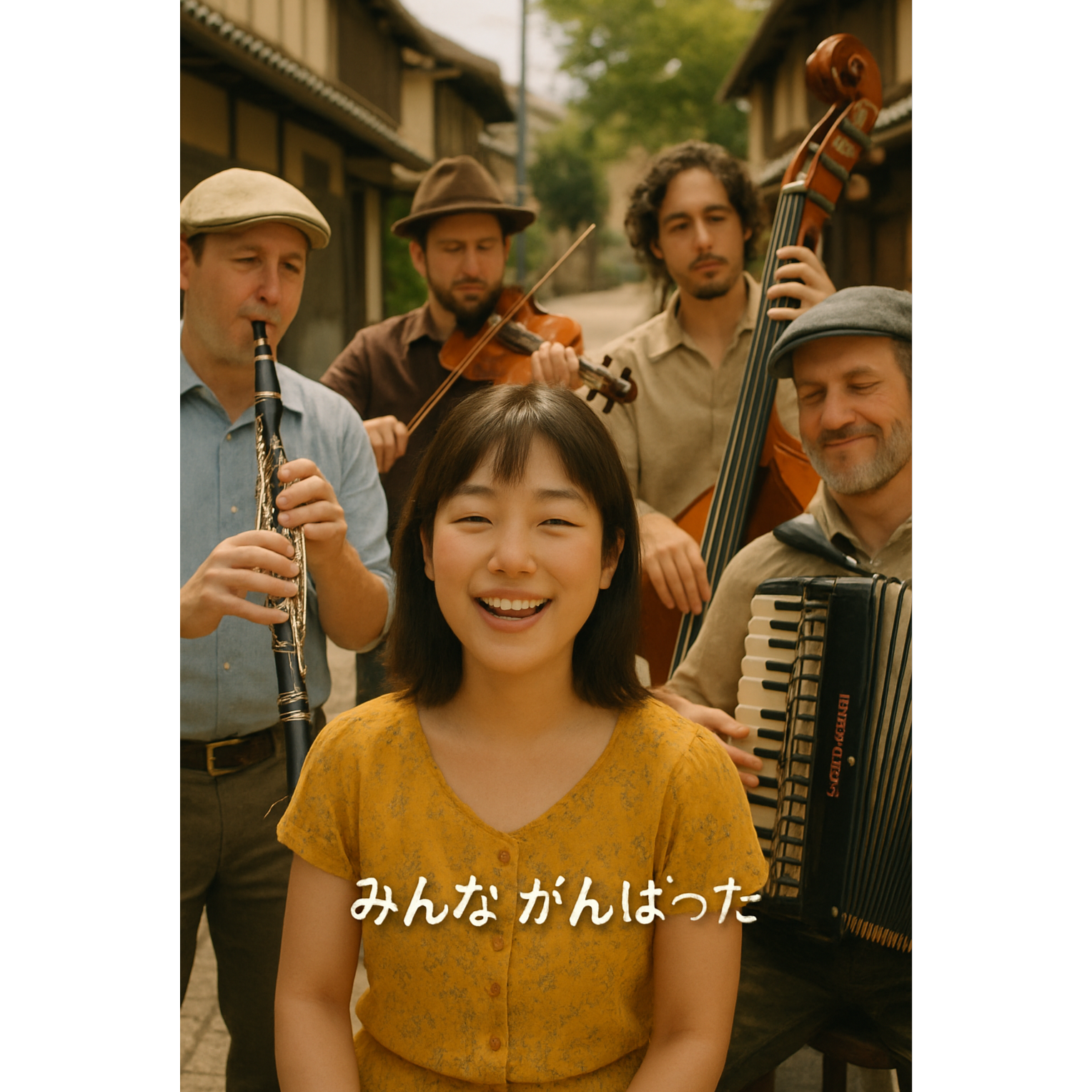
The doina loosens the pulse before the dance
When a wedding set or community gathering starts with klezmer, listeners often hear the lead line before the full ensemble. A clarinet krekhts, a quick catch followed by an upward bend, gives the opening a voice-like edge. Let a violin answer from above or below, then bring in low strings, tuba or bass drum as the dancers need more weight. The order matters. Start with an ornamented phrase, follow with a reply and then bring in a pulse that draws dancers toward the next step.
A home listener can follow the same progression without watching the dancers. Doina passages often loosen the beat and leave a clarinet or violin to linger through pauses, while a freylekhs turns that pause toward a buoyant, circling dance. A procession or reception might call for a bright, clear opening; a close room might reward thinner accompaniment. In either case, keep the lead's bends clear before the ensemble broadens. If the melody begins with speech-like timing, the return feels connected rather than abrupt.
One bare phrase leaves room before the brass returns
Klezmer often thrives on the contrast between an exposed phrase and a full dance return. When every part occupies the same register, the clarinet's krekhts loses its bite. Keep the opening spare enough for a bent note to remain clear. A held low note supports the lead; a short violin answer leaves space for the next brass figure. When the ensemble fills out, compact accents and a grounded bass drum give the dance a shared pulse without making the groove sound uniform. The shift from one voice to many suits a gathering because listeners can follow the arrangement as it expands. At home, the same design keeps a dense passage from becoming a blur.
The bulgar often leans on clipped syncopation and a springing step, while a freylekhs tends toward a more open, buoyant circle. Use the bulgar for a tighter forward snap. Use a freylekhs when the turn should stay open before the next shared pulse. For a moment, let the doina use free timing before the dance rhythm returns. This movement between sparse and full sections gives the maker a practical choice. Keep the low accompaniment light for the doina, then let the brass and bass arrive with enough space around the lead for every accent to register.
A held note gives the krekhts its edge
The bare clarinet line before the dance return can be easy to lose. Writers pile in mood words such as festive, lively, fast and joyful, then name every instrument at once. The result has plenty of mood, with no clear order for the parts. Set a clear order of entrances. Begin with an exposed doina opening in free timing. Keep a held low note underneath. Place the clarinet's krekhts close to the first phrase, give the violin a short answer and reserve the brass for the dance return. In Suno, describe the change in density alongside the celebration in the dance return.
Choose the sound of the return carefully. Give it a bulgar's clipped, syncopated lift or a freylekhs' buoyant circle, then choose which layer arrives last. Keep the lead in a clear register during the free passage. Bring low strings or tuba under the first dance step. Leave a compact brass figure for the return. Leave extra harmony out of the opening if the krekhts needs space, so the lead stays clear. Finish with a brief exposed breath before the ensemble closes.
Frequently asked questions
- Does klezmer have to stay fast and festive from the first bar?
- Fast dance passages are only one part of the language. A doina often loosens the pulse and lets a clarinet or violin stretch a phrase through pauses, bends and changing emphasis. The return may gather around a low pulse, a pickup or a compact ensemble figure. A slower entrance can give the later dance more force, especially when the arrangement saves its brass accents for that return.
- What changes when a klezmer doina gives way to a dance?
- The doina tends to loosen the pulse, so the lead can pause, stretch a bend or leave a phrase unfinished before the rhythm gathers again. A dance section usually makes the beat more legible through repeated accents, a low foundation or short ensemble replies. The turn depends on the arrangement and may arrive through a pickup, a held note or a sudden group entrance.
- Why does a bulgar feel different from a freylekhs in klezmer?
- A bulgar often carries a tighter, more syncopated lift, with accents that make the step feel clipped and forward. A freylekhs usually favors a buoyant dance motion with a broader sense of circling return. The labels overlap in practice, and performers shape both forms in many ways. Treat the names as directions for rhythmic character, then specify the accent pattern and density you want the arrangement to explore.