Jazz Music
A ride cymbal that leaves a little air after each phrase is a good way into jazz. Listen for the lifted pulse, the compact melody giving way to a solo and the band finding its way back. AI-made jazz from Suno can show those choices as they unfold. When you make your own jazz track, describe the pulse, the players, the harmonic color and the shape of the return. Give the music a clear sequence and leave enough room for surprise.
Showing 18 of 18


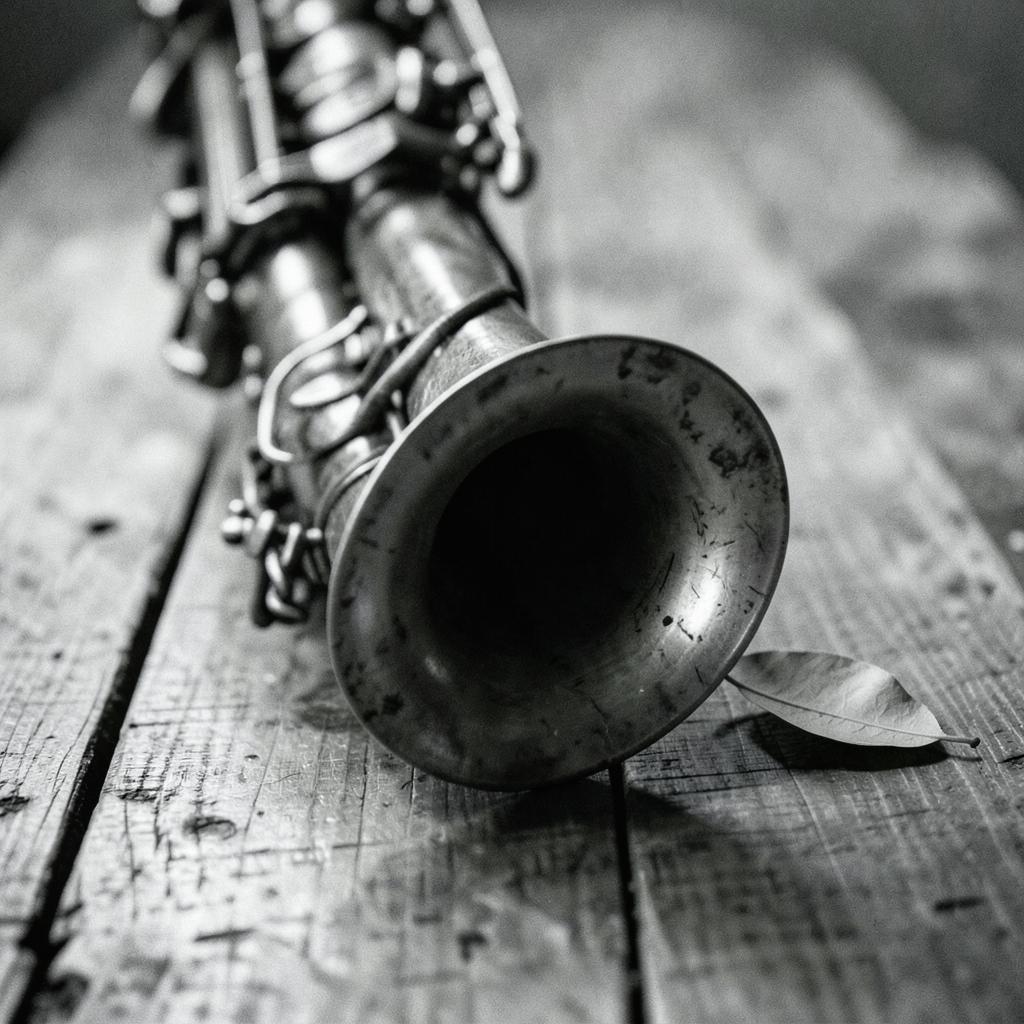

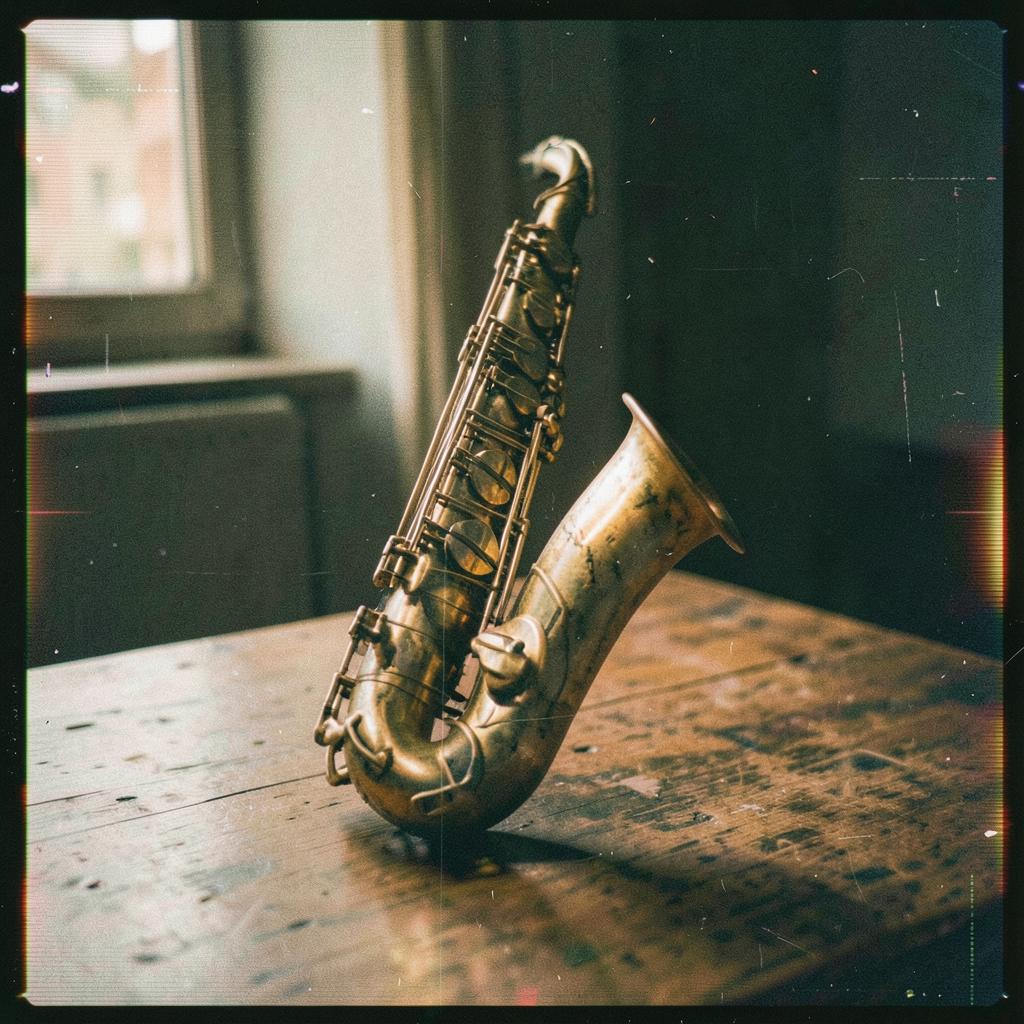






Jazz swing starts in the body's forward pull
The pulse arrives in the body before it becomes a theory. In a swing setting, the ride cymbal often plays a light repeating pattern while the walking bass lays down a patient line underneath. The offbeats can feel lifted. Brushes on the snare or a soft hi-hat can give the bar a loose edge. A straight pulse feels different. The beat presses ahead. The bass holds longer notes and the melody has less of that loping sway.
Choose a physical feel in place of a number. Use buoyant swing with a slight lean back, a brisk pulse that presses ahead or a slow groove with close brushwork. Let one instrument carry the motion while the others answer it. A late horn entrance can create anticipation. Clipped piano chords give the pocket more lift. Those choices change where the parts land. To leave space in the music, specify the attack, the gaps and how the bass returns to the beat.
A jazz head needs a return worth hearing
Many jazz arrangements introduce their main idea with a head, a compact melody that gives the ensemble shared material. The opening might be a horn in unison with a piano, a vocal line above a sparse rhythm section or a lone figure answered by the band. Keep the first statement clear enough for its shape to register. The turn often arrives when the head opens into a solo, the harmony starts to shift or the drums move from brushes to sticks. That change tells the ear who has the floor.
Build the close with as much care as the opening. The head often returns with a new accent, a tighter final phrase or a brief tag after the solo. The ensemble might thin around a held chord, settle on a unison figure or hold a suspended cadence for a moment. Describe the opening idea, the moment the melody widens and the return that brings the players together. The solo still needs a clear way back into the form. A short tag or held chord gives the arrangement a clear way to reach the final chord.
The head needs a shape before the solo
That light ride pattern and compact head expose a common first-draft mistake. A line such as "jazz piano, saxophone, upright bass, drums, swinging, expressive" identifies a palette but leaves the pulse, entrance and turn unspoken. Give the arrangement a simple sequence. Try a piano-led head over buoyant swing, a horn that enters after the first statement, walking bass through the solo and a restrained return with brushes.
Suno responds to that sequence, so put the musical jobs in the order the ear should meet them. If the head needs a sung line, describe its phrasing and who carries it. Keep the harmonic color clear, perhaps a warm minor seventh sonority or a brighter dominant pull, and set the energy of the close. The arrangement may choose its own details. The sequence still gives the music a clear order. Leave a little space around the ride and final chord.
Frequently asked questions
- Which traditions shaped jazz's rhythmic language?
- Jazz grew through Black musical life in the United States, where West African rhythmic ideas met blues, spirituals, work songs and ragtime alongside European harmonic practice. Its language took shape through syncopation, call and response, a swung or flexible pulse and personal phrasing. Improvisation belongs to that tradition because a player can respond to the melody, the harmony and the other musicians in the moment. A shared form brings those responses back to the melody.
- How does modal jazz change the feel of a tune?
- Modal jazz often lets a melody dwell over a small group of scales or tonal centers, giving the harmony an open, suspended feel. The rhythm section still creates motion through bass movement, accents and the drummer's touch. Use long melodic phrases, patient harmonic movement and a pulse that stays alive beneath them. That space gives the solo room to develop.
- Should the pulse come first when shaping a jazz track?
- The pulse is usually the best first detail. Start with the physical feel you want, such as relaxed swing with a light ride pattern or a straight pulse that presses forward. Add the bass, piano, horn or voice after that direction is clear. The head's shape comes next, followed by the moment it opens into a solo and the kind of return you want. A short sequence of musical decisions gives Suno direction without pinning every accent in place.