Grunge Music
Start by deciding what to leave out of the grunge arrangement. A lean verse with room around the snare gives the chorus somewhere to land, while a wall of guitar, bass and drums from the opening bar gives the song no room to build. Let the verse hold a scraped figure and a guarded vocal, then save the widest chord shape for the song's push. The playing details matter. A low, dragging riff and a late cymbal entrance can keep the rough edge exposed.
Showing 18 of 18
 3:53Dark And Moody Grunge Of 1994. Lots Of Overdrive On The Loud Parts And Clean On The More Quiet Parts.
 5:19Grunge Genre With Creative And Unusual Guitars. Male Singer With Four-octave Vocal Range, With A Powerful, Gritty Tenor Belt.
 4:29Grunge, Iconic Heavy Guitar Riff, Earworm Vocal Melody









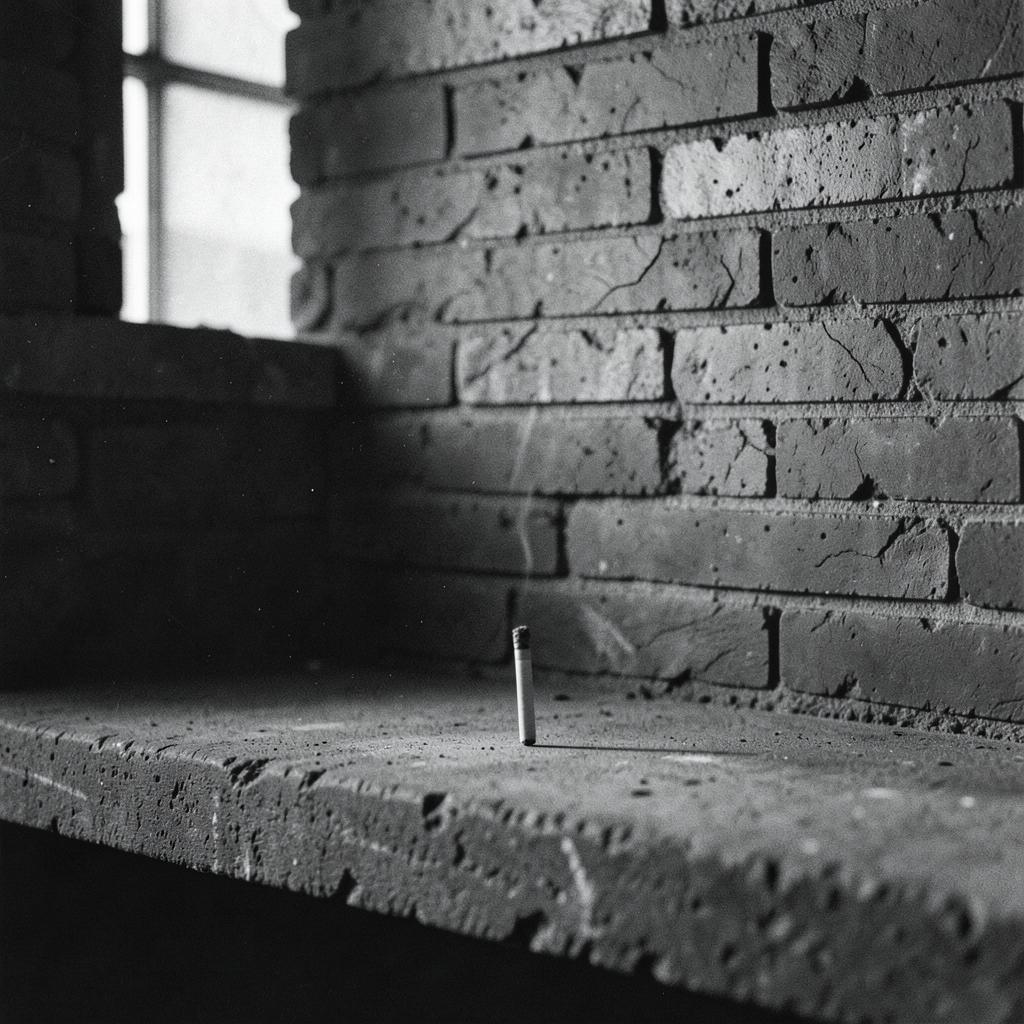
Save the distortion for the lift
Many first passes let the fuzz carry every section. When a wall of gain arrives before the verse has established a pulse, the chorus has no room to build and the snare gets buried in the dense sound. Pull the opening back to a single guitar figure with a little air between attacks. Let the bass hold longer notes beneath the riff, keep the kick close to the riff and leave the cymbals mostly out of the first build. A dry room or a thin layer of grit can keep the guitar's scrape clear before the larger sound arrives.
Give the chorus a change the listener can hear. Widen the chord voicing, add a second guitar at a different register or let the drummer open the ride for four bars. Hold the full blast in reserve as the intensity changes. A pickup that lands slightly late can loosen the pocket, and a brief stop before the refrain can make the first full hit feel earned. If the vocal begins low, keep its opening phrase short enough for the bass to answer it, then let the refrain stretch across the bar line. Leave one hard edge in the take, such as a pick scrape or an uneven cymbal choke.
Grunge below the surface
In a sludge-leaning shade of grunge, the riff sits low and drags. Fewer chord changes, a lower register and a half-time pull can give each snare hit more weight. The guitar may hang on a dissonant interval or let a bent note sag into the next bar. Bass often follows that shape to add weight, then breaks away for a brief descent. Vocals in this shade often sit low, rasp at the edges or open into a strained shout. The weight comes from duration and placement as much as from distortion.
Keep the low end clear while preserving the roughness. Give the kick a clear place under the riff, reserve cymbal wash for the section's rise and leave space around the low vocal. The straighter attack in hard rock's riffing points the ear forward. This shade lets the note sag and the pocket widen before the riff moves on. Keep the pulse slow-feeling, the low mids thick and the cymbals sparse. Make the refrain broader through register, with little added gloss. A small rhythmic push at the end of the phrase keeps the heavy section from feeling flat.
Guitar leads, bass pushes back
The low register and delayed pickup from the sludge-leaning shade help set the arrangement's structure. The guitar takes the verse in short, scraped phrases, leaving a pocket after each attack. The bass enters in those gaps with a held root or a downward slide, giving the bass a part separate from the guitar. Keep the drums compact beneath the guitar, with the kick close to the riff and a dry snare on the backbeat. As the bass holds longer notes, let the drummer use a wider kick pattern and one late cymbal swell. At the chorus, stack both parts into a thicker chord and open the snare.
In Suno, use a guitar-led verse, a delayed bass reply and a chorus that widens by register to shape the arrangement. Keep the vocal to a short, guarded phrase in the verse, then let the refrain stretch over the bar line as the guitars open. At the close, let the bass take the final descent after the guitar cuts off. A short kick-and-snare figure can sit under the descending bass, then the low note can hang without a fresh cymbal wash.
Frequently asked questions
- Why does grunge let a riff sag where hard rock keeps it upright?
- Grunge often makes distortion feel unstable through slack timing, sustained notes and space around the snare. Hard rock more often gives the riff a straighter attack, a firmer pulse and a clearer forward line. These qualities can overlap. A track can borrow the hard rock punch and still carry grunge's scraped edges if the bass drags slightly behind the guitar or the chorus arrives after a lean verse.
- What makes a grunge snare feel late against the guitar?
- Placement and space create the sensation more than a fixed tempo does. A guitar figure may land squarely before the snare arrives with a loose backbeat and space around the hit. A bass note that stretches past the kick can deepen the drag. Keep the cymbals selective and let the vocal phrase spill over the bar line. Even with a steady pulse, the groove can remain unsettled.
- Should the ending leave the guitar ringing or give the descent to bass?
- Each choice changes the weight of the ending. A ringing guitar keeps the upper register present and can make the close feel unresolved. Letting the bass descend after the guitar stops directs attention downward and leaves space around the drums. A short final figure from the kick and snare can give the descent a rhythmic shape. Choose the ending by the part you want the listener to remember after the distortion falls away.