Gospel Music
A lead left exposed over a piano vamp keeps the answer lean. Backbeat handclaps and a group entrance make the return feel public. Listen closely to the space between the lead and the reply. The arrangement keeps the tonewheel organ low, places the solo in the middle register and brings in the reply after the phrase. Gospel depends on who carries the line, who answers and how much room the rhythm leaves around both.
Showing 20 of 20
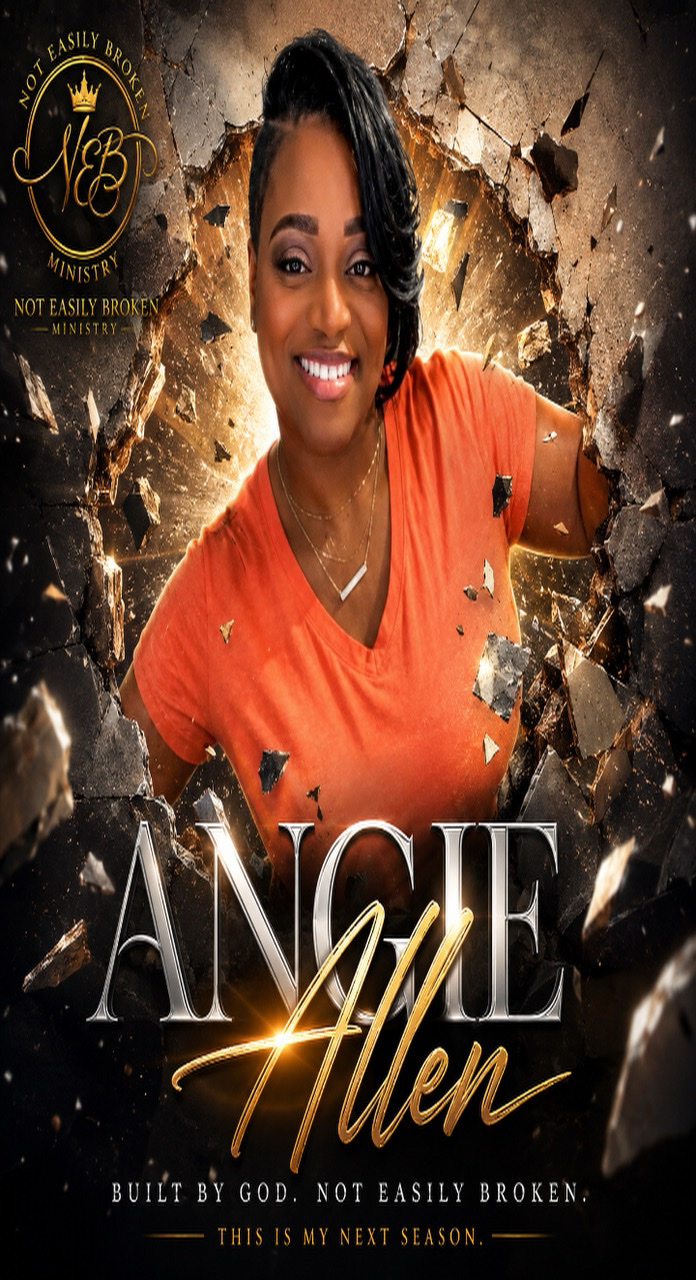
 5:06Powerful Prophetic Black Gospel Spoken-soul Record With A Seasoned Black Female Minister-vocalist, Rich Mature Contralto Voice, Deep Conviction














Gospel under speech needs room
When music sits beneath speech or a moving image, consonants and pauses need room to register. The arrangement should stay selective. A piano vamp keeps the harmony turning without crowding the lead. Bass and drums mark a dependable backbeat, then a tonewheel organ adds sustained support when the section widens. Handclaps sharpen the pulse on the backbeat and leave enough air for the next phrase to arrive cleanly.
A crowd changes the scale. Repeated group lines, firmer drum accents and a broader organ bed bring several voices together, with layers entering in stages. Keep the solo close for the verse, let the response widen at the refrain and reserve the largest stack for the section that calls for it. If the track sits beneath speech, trim the sustain and keep the reply brief. If the music should feel collective, lengthen the group's final vowel and leave the rhythm moving underneath. Gospel's character comes through in those changes, with the backbeat audible beneath the final group vowel.
A testifying lead shapes the group response
Gospel singing works through difference. A lead phrase sits in one register, then the ensemble answers with a change in density, a lower harmony, a clipped repetition or a longer held vowel. A close middle register keeps the singer conversational. A higher entrance gives the phrase lift, while a low group response gives it weight. Variation gives the reply its identity. It can take one word, turn the rhythm around or arrive after a breath, so the exchange has a clear shape.
Singing also changes what the instruments do. Remove the lead and the piano, organ and rhythm section imply the question and answer through accents, breaks and returning figures. Keep a vocal line in the foreground, and those parts support it, with the tonewheel organ holding sustained harmony while the piano supplies motion. Language matters syllable by syllable. Open vowels support a held note, tighter consonants define a short response and a language's natural stress changes which syllables carry emphasis. Choose the lyric language with that stress in mind, then decide which words stay with the soloist and which ones the group repeats.
Inside a compact vamp, the group finds its entry
A compact piano vamp, a close middle-register lead and backbeat handclaps suggest a workable arrangement. A common mistake is to pile on big choir, soulful vocal, powerful organ and energetic rhythm. Those labels signal gospel, yet none says who enters, when the group answers or how the groove behaves. The arrangement becomes crowded without a clear sequence.
Give each detail a job. Set a mid-register solo over a two-bar piano vamp, with handclaps on the backbeat and a low group response after the lead's final phrase. Keep the tonewheel organ underneath the verse, then let its sustained chords widen the refrain. If the track needs to sit beneath speech, keep replies short and the sustain restrained. For a crowd feel, use a longer group vowel and a firmer drum lift at the return. Crisp consonants sharpen a clipped answer, while open vowels let a held phrase continue. Build that arrangement in Suno, keeping the solo and reply distinct and the sense of space clear.
Frequently asked questions
- What separates a lead-first gospel response from a worship refrain?
- Gospel and worship overlap, yet their group work often points in different directions. A worship refrain is usually built for a group to return to a clear line across sections. Gospel arrangements give the lead phrase a more active partner. The group echoes a word, answers with a changed rhythm or brings the line back with a new entrance. The distinction is a matter of arrangement. A gospel song sometimes uses a broad refrain and worship music sometimes borrows responsive phrasing.
- When a tonewheel organ holds beneath the backbeat, what changes in gospel's texture?
- A tonewheel organ supplies sustained harmony and a softly gritty edge, giving the backbeat more support. Its held chords can connect a piano vamp to the group entrance, especially when the lead leaves a pocket around the phrase. Pull the organ down and the groove feels leaner, with more air around the drums and bass. Bring it forward at a refrain and the same tempo sounds broader as the texture thickens. Registration and ensemble balance decide how much space it occupies.
- Does a gospel chorus gain more lift from an immediate reply or a delayed group entrance?
- Both placements belong to gospel's vocabulary. An immediate reply gives the exchange snap, especially when the group clips a word with the handclaps and backbeat. A delayed entrance leaves space after the lead and lets the ensemble arrive with more weight. The right choice depends on the phrase length, the drum pattern and the section's density. A verse often benefits from a leaner response, while a refrain has room for longer vowels and wider harmony. Treat the gap as part of the groove.