Experimental Music
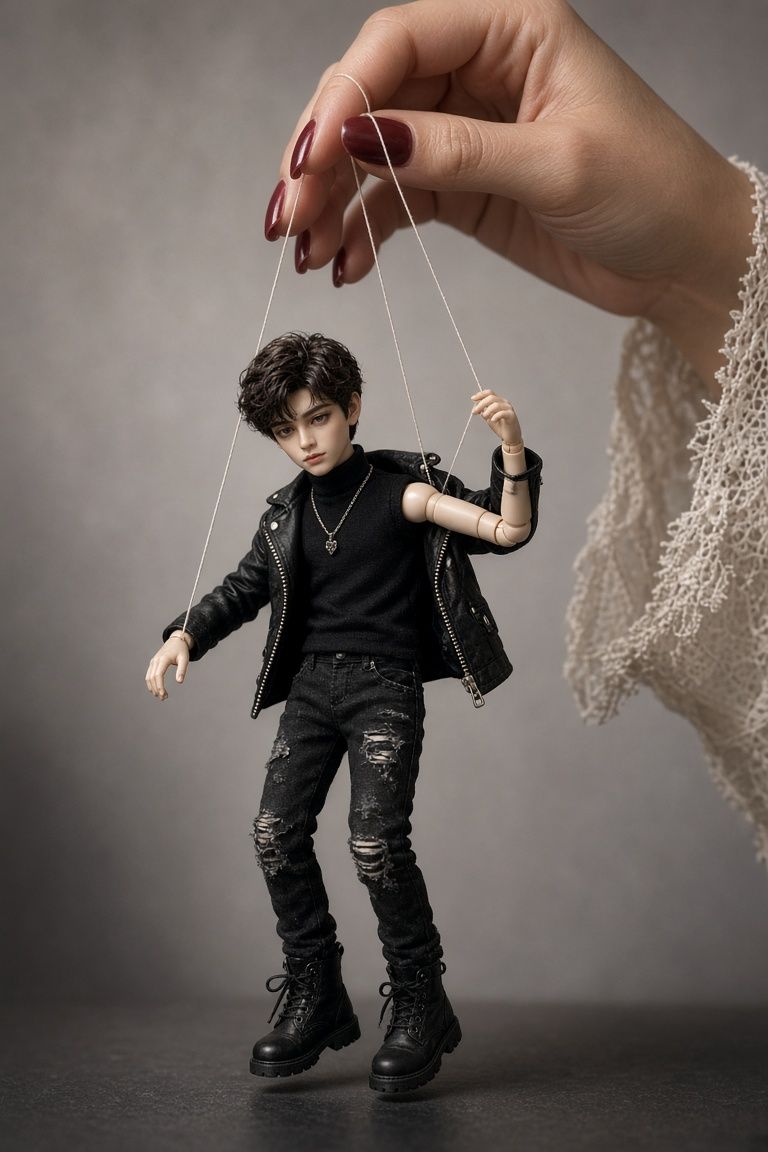
A toy piano drops one bright note into tape hiss, then a bowed metal spring enters off the beat. That pairing shows experimental music's interest in sounds that refuse their usual roles. AI music made with Suno turns a collision like this into a question about how the sounds work together. Build around the toy piano's bright attack, the spring's late entrance and the space between them. Keep the pulse implied and let a dry click interrupt it.
Showing 13 of 13


Musique concrète keeps recorded space in the phrase
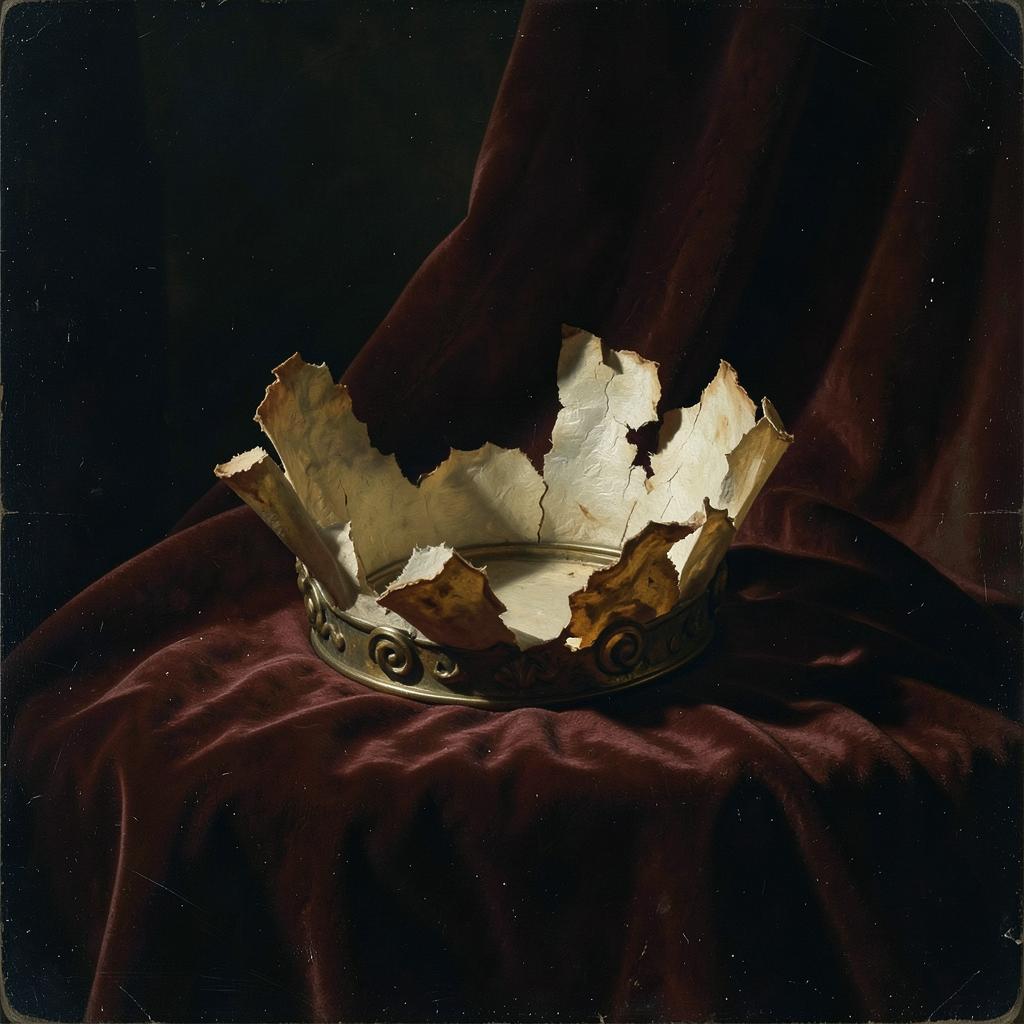
Musique concrète treats a recorded trace as material before it settles into an instrument's familiar role. A paper tear keeps its brittle edge, a struck rail leaves a metallic tail and breath through a tube becomes a shifting band of noise. The source's friction, decay and room remain part of the phrase. That emphasis separates this approach from electronic writing built mainly from synthesized tones, though the two often meet.
Set the source's behavior at the center. Use a close, dry paper crack that returns in three uneven entries, then a low sine tone that waits for the final crack before it rises. Give each sound a place in time, describe the length of its tail and leave room for the source to alter the meter. A short burst becomes a pickup, a scrape stretches across the bar and a hollow knock supplies the downbeat. At first, keep the source recognizable. Then let filtering and repetition push it toward an abstract texture. Let the final return keep one paper edge while the sine tone fills the space.
Experimental music lets a quiet attack stand out
Place a dry click among cut up tape, object knocks and low electronics and it becomes one point in a dense passage. Strip the arrangement down to that click and a faint room tone. The same attack becomes the whole event. Loudness and density are separate choices. Use a few sounds at high volume or many sounds that stay soft and close. Keep those choices separate so the arrangement can have more than one kind of intensity.
Let a narrow low tone sit under one dry click, then bring in rough upper layers until the beat recedes. Remove those layers in stages and leave the electrical hum under the pause. A packed passage often serves accumulation or impact. A bare, quiet passage gives a tiny pitch bend or delayed entrance more room to register. If drums enter, give them weight and spacing instead of an exact tempo. A loose pulse lets the texture move.
Paper crack meets a low sine tone
The faint electrical hum left under a cleared passage sits beneath a paper crack and a low sine tone. The paper crack enters first in three uneven hits. The sine tone arrives after the third and holds through the gap. Under the crack, the drums give one dry tap. Under the sine tone, they become two low uneven hits, with space between them. The crack returns shorter each time, while the sine tone widens its tail, so their roles change without a full reset.
With Suno, specify the source, its timing and the drum behavior beneath it. Set the crack close and brittle, the sine tone low and steady and the drums open around both. At the close, let the sine tone continue after the final drum hit, then place the paper crack earlier in the fade. Bring the crack back once with a clipped high attack while the tone thins into room sound. End on the sustained tone after the source's brief return, letting its edge thin into room sound.
Frequently asked questions
- Does electronica's sequenced grid still define the pulse when experimental music lets a source set the meter?
- Electronica often uses a sequenced grid to keep motion clear while timbre, filtering or syncopation supplies variation. Experimental music may borrow that grid, then let a source disrupt its authority. A tape splice arrives early. A struck object pulls the accent away from the kick. A held tone erases the expected return. The difference lies in the pulse's job. Electronica often uses it to organize motion. Experimental work turns the pulse itself into material.
- How does tape hiss alter the space around an experimental rhythm?
- Tape hiss adds a continuous layer of grain in the high range, so a rhythm feels suspended in the room. Its effect depends on level and arrangement. A low hiss under a sparse click makes each gap feel larger, while a dense burst of hiss blurs the edge of a percussion hit. Filter movement changes the apparent distance. Hold the hiss steady for a constant background. Let it swell around a rupture or cut it when a small attack needs to stand out.
- When a found sound starts the form, should the drone close it or leave the source exposed?
- A drone earns an ending when earlier interruptions have given its pitch or texture enough weight. Let a found sound introduce the material with a clear attack, bring the drone in after that trace and thin the drums as the sustained tone grows. A brief return of the source keeps the ending from becoming a flat fade. For a close led by the source, finish on its dry decay with the drone underneath. For a close led by the drone, let the source fall silent before the sustained tone narrows to one audible edge.