Dangdut Music
Notice the soft bend before the drum answers, with a vocal phrase over a gendang pulse and a koplo turn gathering speed near the refrain. The AI-made tracks offer a lingering sway or a koplo push. Build that feel around the sway, the answer after the vocal and the kind of close you want, leaving room for each return. The arrangement can suggest a close gathering, a bright street pulse or a quieter room while the gendang answers the voice.
Showing 18 of 18
 2:53High-energy Dangdut Koplo At 120 BPM With Punchy Kendang, Booming Tabla-style Hand Drums, Syncopated Bass
 4:15Dangdut Koplo With A Bambu Suling Lead, Accordion Flourishes, And Kendang Koplo Driving A Stumbling-then-steady Groove. Syncopated Bass
 3:38Energetic Dangdut Koplo With Driving Kendang Koplo Breaks, Punchy Kick, Crisp Snare
 3:45Bright But Aching Dangdut Koplo At 110 BPM With A Driving Kendang/koplo Groove, Punchy Bass Drum, Syncopated Ketipung Fills
 3:28High-energy Dangdut Koplo At 128 BPM With Relentless Kendang Drive, Tight Ketipung Fills, And A Punchy Bassline Locking To The Groove. Bright Electric Guitar Riffs With Slapback Delay






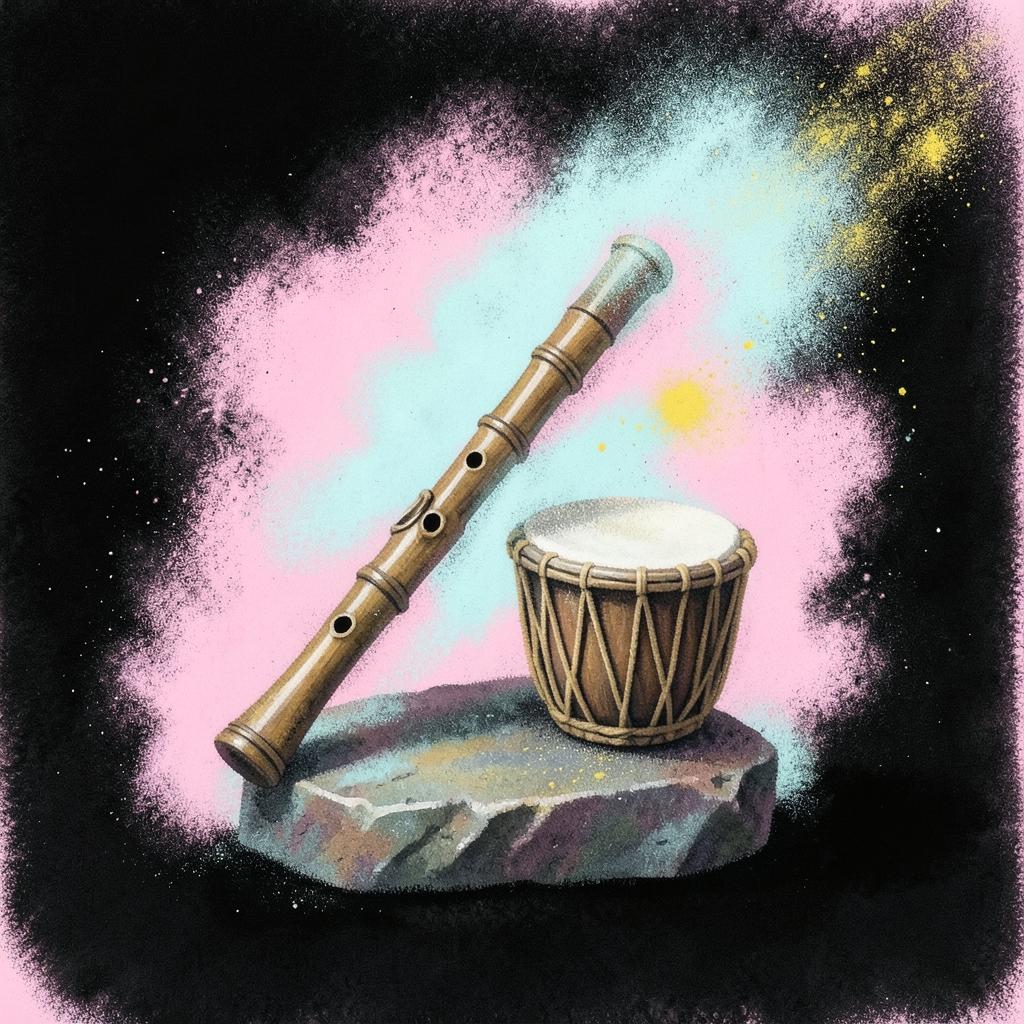




Dangdut moves by pressure and release
The gendang drives dangdut's movement. A phrase settles into a loose sway, then a struck accent leads into the next beat. The space around each hit matters. A singer can stretch a vowel across that space, add an ornament at the end of the phrase or leave a breath for the drum to answer. Bass and keyboard keep the pulse clear as the percussion changes its force.
Koplo tightens that pulse. Its quicker turns fill the gaps and make each return feel more urgent, especially when the refrain repeats with added force. The rhythm still needs a center, so a busy drum part works best when the bass and vocal phrasing keep that center clear. For koplo, start with the bodily feel and let the instruments support it. A swaying dangdut groove can gather koplo force at the refrain while leaving room for a held note and a clipped gendang answer. The amount of koplo pressure helps set how tightly the parts meet.
A room changes the first gendang accent
Before the melody settles, people in a crowded gathering may first notice a dry gendang strike. A dry strike often leaves space around the lead line, and the first vocal ornament can show whether the groove will linger or press forward. The opening often puts the bass in the low register, lets the keyboard color the edges and sends a short suling answer through the gap. This order helps the pulse carry through conversation while keeping its character.
Street traffic changes the opening cue. Koplo's denser drum turn can reach passing listeners quickly, and a repeated refrain can remain clear through traffic, footsteps and changing distance. At home, the suling's brief answer can come forward. A percussion reply can register, as can a breath before the singer returns or a keyboard chord held under the phrase. Under moving images, a gendang pulse can establish forward motion before the melody is fully in place. In each setting, the voice leaves room for percussion, and the percussion answers with restraint.
The final refrain gathers the gendang
After the first gendang accent, the ending should leave space. Let the final refrain hold one decorated vocal phrase. Have the drum reply once, then leave a short suling phrase after the singer. That ending requires the middle to hold back. Thin the busiest percussion before the final return, shorten the keyboard fills and let the bass carry the sway without crowding the vocal. The opening needs to establish the loose pulse, introduce the singer's ornament and set up the gendang as a responsive partner.
With Suno, shape the arrangement around the held final phrase, the compact drum answer and the light reed tail, then decide what the earlier sections should withhold. A tight koplo burst at the close calls for shorter gaps in the refrain and more motion in the first drum entrance. A tighter koplo close requires different preparation before the refrain. The pulse becomes more urgent, the vocal has less time to linger and the keyboard must leave more space for the percussion. Keep the last accent brief enough for the refrain to stay in the listener's ear.
Frequently asked questions
- Compared with cumbia's steady pattern, where does dangdut's gendang leave space?
- Dangdut often lets the gendang answer a vocal phrase with a clipped accent, a roll or a small change of pressure. Cumbia more often keeps its repeating rhythmic figure steady enough to act as the anchor while other parts move around it. Arrangements can borrow freely, yet the listening cue remains different. Follow the drum's replies in dangdut and follow the pattern's steady sway in cumbia. Koplo adds denser turns to dangdut's kind of motion.
- Why does a suling reply feel so bright inside dangdut?
- A suling often serves as a bright reply, leaving the main vocal line in front. It can echo the shape of a sung phrase, fill a breath between lines or lift a small ornament above the gendang and bass. Keep it intermittent so the vocal stays in focus and each entrance can register. A fuller suling part changes the balance, especially when the arrangement has fewer keyboard or guitar colors. Its role depends on the melody and the space around the beat.
- When should a koplo turn enter the refrain?
- A koplo turn often lands after the vocal phrase has made its shape clear, giving the accent a clear place in the refrain. Bring it in early and the groove feels more urgent. Hold it for the final return and the melody gets more room to sway before the pressure arrives. The surrounding bass and keyboard should leave enough space for the drum to register. Its best position depends on how quickly the arrangement needs to gather energy.