Cumbia Music
A llamador taps a clipped answer beneath the tambora, and a gaita phrase slips through the gap before the alegre brightens the cycle. That exchange gives cumbia a clear center. Lean into the scraper's dry continuity or let the drums carry more weight. The arrangement can center the scraper or the tambora. Bass movement, drum balance and vocal energy should support that choice.
Showing 17 of 17







Guacharaca or tambora sets cumbia's center
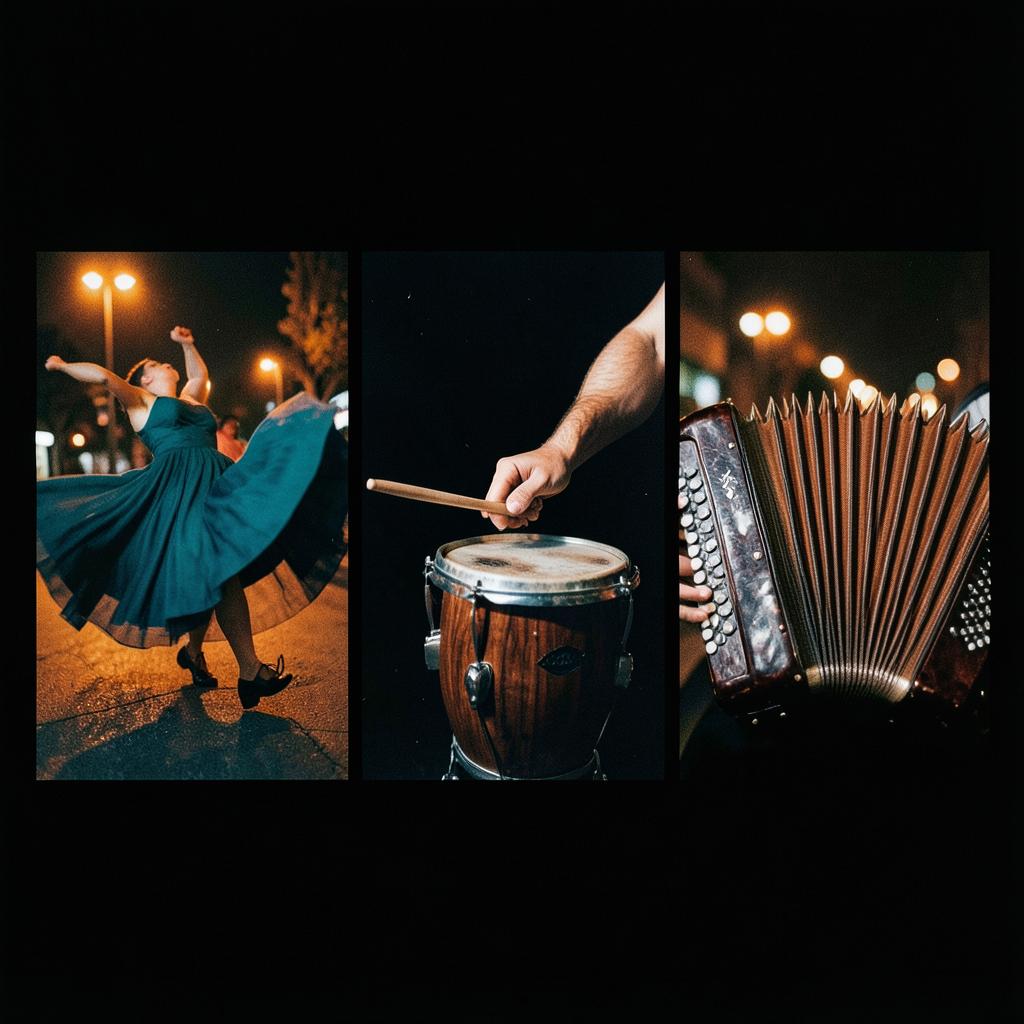
Guacharaca and tambora answer different questions about where cumbia should place its weight. Put the guacharaca in front and the rhythm takes on a dry, even grain. Its repeated scrape keeps the cycle clear while a bass phrase bends around the pulse. Bring the tambora forward and the same cycle feels heavier, with open and muted strokes giving the bar different kinds of weight. The llamador can keep a compact offbeat underneath while the alegre adds a sharper reply for one bar and gives the cycle room to open up.
The drum choice also colors the melody above it. A gaita can carry a breathy, narrow line with a plain contour. Caña de millo brings a brighter reed color and a quicker edge. Modern arrangements often add electric bass, keyboard or a fuller kit, yet cumbia's character comes through more clearly when each percussion part has a distinct job. Regional practices vary. The arrangement may use a dry scraper, low tambora, tight llamador or an alegre that steps forward for a bar.
Cumbia pulse lands in the knees
Cumbia settles into the body through accent and spacing, with speed only part of the feeling. The pulse often feels grounded because the accents let the body settle before the next accent arrives. A steady guacharaca gives the feet a clear pattern to follow; the llamador tucks a compact response into the cycle and the tambora supplies a low accent. Bass notes that lean into the bar give the torso a chance to sway without making the groove drag. You feel the result in your knees, shoulders and breath.
For a relaxed feel, leave space after the drum answer and let the melody arrive with a slight lift. For more urgency, tighten the gaps around the scraper and let the alegre push against the pattern. Faster playing still feels loose when the accents preserve that grounded step. A slower arrangement grows stiff if every part lands with the same weight. Terms such as grounded, loping, springing or close to the floor describe this feeling. A grounded version leaves space after the drum answer and lets a gaita phrase enter on the lift.
Bass answers cumbia's scrape
The loose feel starts with the scrape, which leaves space for the bass to answer. With Suno, place the guacharaca first with a dry, steady sound close to the pulse. Put the bass after the opening pattern as its reply, with a low phrase that bends toward the next bar. Under that exchange, the llamador can keep a compact offbeat and the tambora can place a deeper response, leaving one extra bar open for the alegre to fill.
The balance shifts when the bass moves to the foreground. Keep the guacharaca moving underneath, give the tambora wider accents and let the llamador tighten the spaces around them. If the sung line should carry a story, write a short verse and give the melodic instruments room to answer it. For a different cadence, have the bass fall silent before the close, keep the guacharaca scraping through one more phrase and land the tambora on an open hit.
Frequently asked questions
- What gives the guacharaca its rasp in cumbia's texture?
- The guacharaca's dry rasp comes from its scraped, ridged surface, so its short strokes create a different texture from the rounded impact of the tambora or the tighter pulse of the llamador. That separation helps the cycle stay clear when the alegre adds variation. A maker can use a close, crisp scraper with restrained drum tone or a rougher blend that lets the percussion sit in front. Cumbia ensembles vary, so the balance follows the players and arrangement.
- Why does cumbia's step stay loose as the percussion gathers?
- Cumbia's physical ease comes from placement as much as tempo. A steady scraper gives the feet a clear pattern to follow; the llamador tucks a compact response into the cycle and the tambora supplies a low accent. Bass notes that lean into the bar let the torso sway while the upper percussion keeps the pattern active. Faster playing still feels loose when the accents preserve that grounded step. Dense hits in every gap make the groove feel hurried. Terms such as grounded, loping or close to the floor describe this feeling.
- At a cumbia cadence, which drum keeps the cycle clear as the phrase settles?
- Cumbia openings often establish a scraper or low drum pulse before the melody enters. At a cadence, the tambora may land a broad accent while the llamador keeps the cycle tight and the guacharaca continues its dry pattern. Another arrangement can let the alegre answer the refrain while the other percussion continues underneath. Different ensembles choose among these endings, returning to the same rhythmic roles as the melody or drum balance changes.