Contemporary Classical Music
A struck piano string can return with a dry rattle while a bowed tone opens above it, giving the silence new tension. In contemporary classical, timbre, duration and pitch all help shape the form. Tracks made with Suno let you hear how those choices shape the music. A maker can build from a broken chord, a thin register or a vanishing pulse.
Showing 19 of 19
 2:45Contemporary Classical With A Steady 5/4 Pulse, Sparse Piano Ostinato, Close Strings
 4:39Contemporary Classical Guitar Piece For A Duo, In The Style Of Schoenberg. The Whole Theme Is Supported By A String-quartet. The Piece Is Extended For The Strings In An Ascending Sequence, Becoming A 7.-minute Piece.
 3:54Darkwave Minimalist Contemporary Classical Piano Solo. The Piece Features A Repetitive, Arpeggiated Left-hand Pattern In Eighth Notes That Establishes A Steady Rhythmic Pulse. The Right Hand Plays A Simple, Melancholic Melody Consisting Of Sustained Notes And Occasional Syncopated Accents. The Piano Has A Warm
 3:19A Slow Tempo Instrumental Piece In A Contemporary Classical Style, Featuring A Piano As The Primary Melodic And Harmonic Instrument, The Piano Plays A Melancholic And Reflective Melody With A Consistent
 3:39A Contemporary Classical Piece Opens With A Minimalist Piano Motif, Gradually Joined By Layered Strings And Woodwinds, Building Evolving Rounds. Subtle Rhythms Swell Into Rich Harmonies
 4:25Solo Piano Composition In The Style Of Contemporary Classical Or Minimalist Film Score. The Piece Features A Recurring Arpeggiated Pattern In The Mid-range, Characterized By A Steady Eighth-note Pulse. The Left Hand Provides Harmonic Grounding With Sustained Bass Notes And Occasional Melodic Counterpoints In The Lower Register. The Right Hand Executes A Delicate, Repetitive Melodic Motif That Shifts Between Minor And Major Tonalities. The Performance Uses A Natural Acoustic Piano With Moderate Room Reverb. The Tempo Is Approximately 110 BPM In 4/4 Time. The Dynamics Are Predominantly Mezzo-piano With Subtle Expressive Swells. The Arrangement Is Sparse
 4:23Purely Instrumental Acoustic Piece In Contemporary Classical Style For Classical Guitar And Concert Grand Piano Only, No Vocals, No Other Instruments
 3:07Instrumental Contemporary Classical Composition. Solo Piano. Through-composed Form, No Verse, No Chorus
 3:22A Slow Tempo Instrumental Piece In A Contemporary Classical Style, Featuring A Piano As The Primary Melodic And Harmonic Instrument, The Piano Plays A Melancholic And Reflective Melody With A Consistent
 4:03Solo Piano Composition In A Contemporary Classical Style. The Piece Features A Single Acoustic Piano With A Natural, Intimate Room Reverb. The Performance Uses A Rubato Feel With A Tempo Of Approximately 72 BPM In 4/4 Time. The Melody Is Characterized By Simple, Diatonic Phrasing In The Right Hand
 4:43Purely Instrumental Acoustic Piece In Contemporary Classical Style For Classical Guitar And Concert Grand Piano Only, No Vocals, No Other Instruments
 2:18Contemporary Classical Piano With Driving Rubato And Sharp Dynamic Contrasts; Rondo Form Built From A Fierce Recurring Theme That Returns Larger Each Time. Opening States A Tense Motif In Low Register, Middle Episodes Widen Into Cascading Arpeggios And Cross-hand Runs, Then A Hushed Bridge Thins To Single-note Tolls Before The Final Return Crashes Full-force. Close-mic Grand Piano
 3:09Contemporary Classical Solo Piano Composition. The Piece Features A Recurring Melodic Motif Played In The Upper Register Against A Steady Accompaniment Of Arpeggiated Chords In The Mid-range. The Left Hand Maintains A Consistent Rhythmic Pulse Using Broken Chord Patterns. The Performance Utilizes Rubato And Sustain Pedal Throughout. The Harmonic Structure Centers On A Minor Key With Occasional Shifts To Relative Major Tonalities. The Tempo Is Approximately 72 BPM In 4/4 Time. The Dynamic Range Is Narrow, Maintaining A Soft, Intimate Volume With Gentle Attacks On The Keys.slow Piano Minimalism
 2:04A Solo Piano Piece In A Contemporary Classical Style, Featuring A Melancholic And Reflective Mood. The Tempo Is Slow, Approximately 60 Beats Per Minute
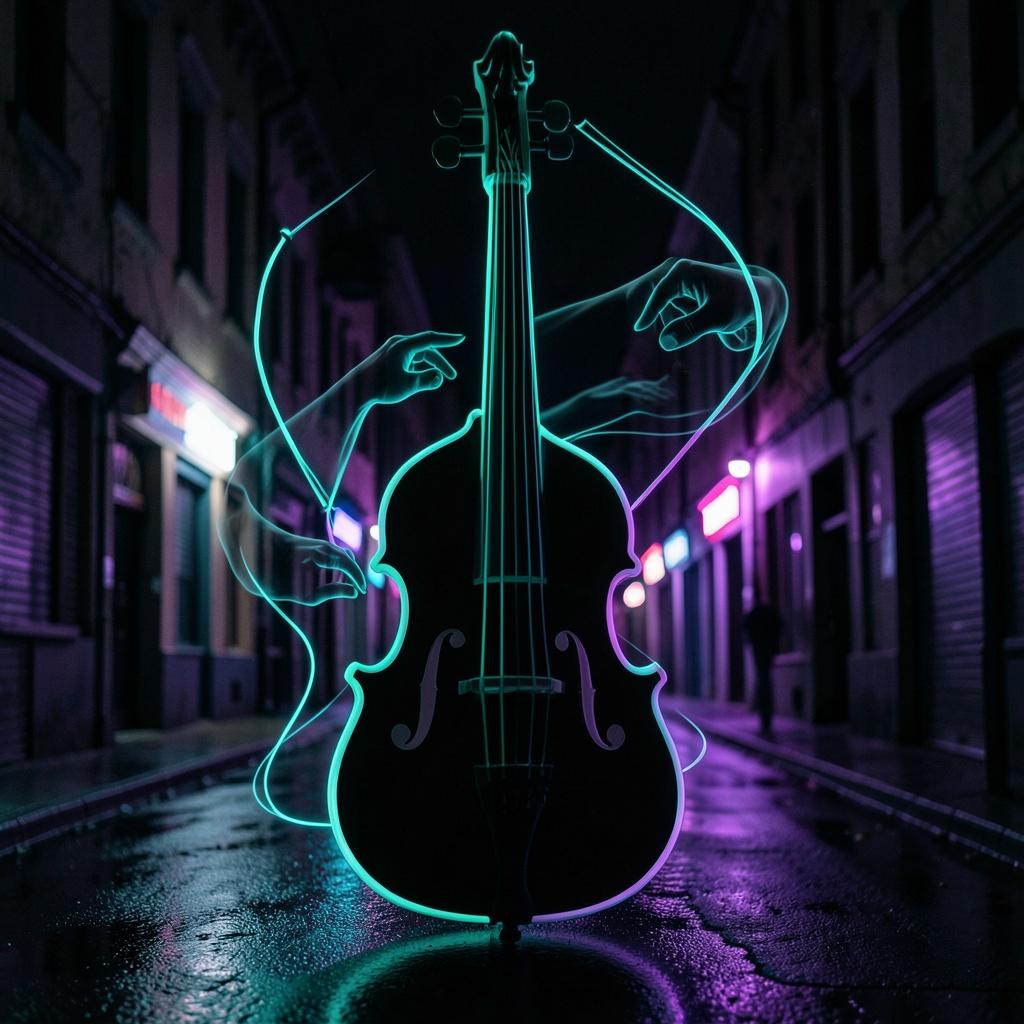
 1:48Upright Bass Only Upright Bass In Higher Register With Restless Dragging Phrases, Unstable Bow Pressure, Quick Directional Changes
 5:29Purely Instrumental Acoustic Piece In Contemporary Classical Style For Classical Guitar And Concert Grand Piano Only, No Vocals, No Other Instruments


A firm meter meets open timing
Contemporary classical can use a firm meter alongside other ways of organizing time. A repeated attack sets a grid, and its interruption creates tension. The interruption arrives as an extra beat, an early silence or a chord held past the expected release. The ear follows duration as closely as pitch. A small cell returning in a new register can mark a section more clearly than a conventional cadence.
Some scores leave the order, duration or choice of events partly open, an approach often described as indeterminate or aleatoric. Performers still need shared cues and a sense of proportion, while the surface changes from one realization to another. Harmony can shape the timing as well. A close interval grinds against a low pedal, then opens when one note moves away. A consonant chord grows unsettled after a long pause. A maker can set the next event where its force will register, balancing a steady pulse against freer timing. Keep the meter under a sparse texture, fracture it into uneven groupings or remove it before the return. Let the opening cell come back one register higher after that silence.
Minimalist cells sharpen contemporary classical's pulse
Minimalist writing often centers repeated cells in a steady pulse. A small change in phase, register, accent or density shifts the listener's position. A spare surface lets the changes stand out. One figure enters a beat later, an added note lengthens the pattern or a new register exposes the same interval afresh. Duration and accumulation create the tension in a sparse score.
This approach changes how performers relate to time. Precision matters, and touch, balance and slight differences between live entrances shape the sound. A maker can build the passage around a dry two-note cell, a second layer arriving one pulse late and a gradual rise in register. Keep the repetition clear enough for each alteration to register. Minimalist writing is one strand within contemporary classical, alongside open forms and spectral approaches. Its pull comes from hearing the process unfold. Each small shift gives the next entrance a different weight.
One fractured chord opens the arrangement
The dry piano click and the late second layer turn those earlier ideas into musical material. Use Suno to shape an uneven rhythm of two short attacks followed by a held gap, a texture where a muted piano resonance gathers beneath a bowed harmonic and a form that lets a bare cell open into a denser middle before returning with one interval changed. The rhythm sets the pace, the texture determines the surface and the form gives the ear a pattern to remember.
Swap the bowed harmonic for a close vocal hum and see if the prepared piano still anchors the opening. If the middle grows too full, thin the upper register before adding another event. Let the aleatoric turn arrive as a shorter pause before the return, then leave one note out of the final chord. Leave the piano resonance in the low register as the upper sound fades into the final silence. The final partial narrows before the close.
Frequently asked questions
- Does a steady beat disqualify contemporary classical?
- A steady beat fits contemporary classical when it works as part of the piece's larger design. Repeated meter sets up a break, exposes a change in density or makes a later silence feel wider. Other works organize time through isolated attacks, elastic durations or returning cells. The genre includes both approaches, with its character coming from how pulse, timbre and harmony interact. A regular grid remains a compositional choice within the genre.
- What holds an open-form performance together?
- Open form gains coherence from recognizable materials and agreed ways of moving through them. A score might set a sequence of events, offer performers a choice of sections or leave the order partly open. Repeated cells, shared cues, registral landmarks and attentive ensemble timing help the music remain legible as details change. The performance convention can vary, yet it still depends on listening between players. A return can arrive with a new density or duration and feel connected because the ear remembers the material.
- Why does minimalist writing repeat so much?
- Repetition gives minimalist writing a surface the ear can measure. Once a cell is familiar, a delayed entrance, shifted accent, added note or new register becomes an event with weight. Small changes can keep the music moving without a constant supply of new material. Contemporary classical includes minimalist writing as one strand among many, with repetition functioning as one method within the genre. The key is the changing relationship among pulse, pattern and duration.