Cinematic Music
Cinematic music can make a single image feel enormous. A lone figure under sodium streetlights, a spaceship clearing a storm or a room holding its breath can all suggest that scale. Browse AI-made tracks in Suno's music library for sweeping strings, tense pulses, strange textures and endings that land hard. Then use that spark to make your own cinematic music around the scene in your head. A trailer with teeth or a quiet theme for an unfinished story can help you explore scale, mood and motion in music.
Showing 17 of 17

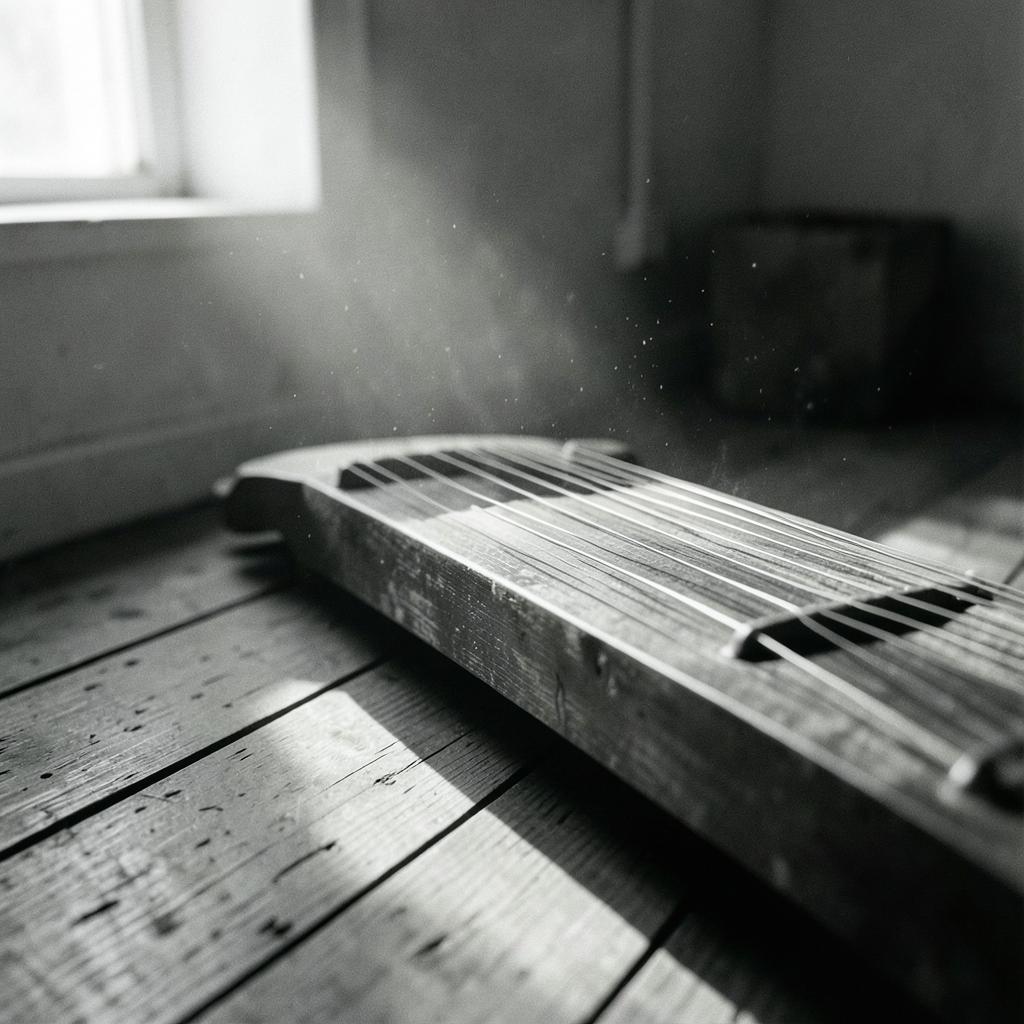
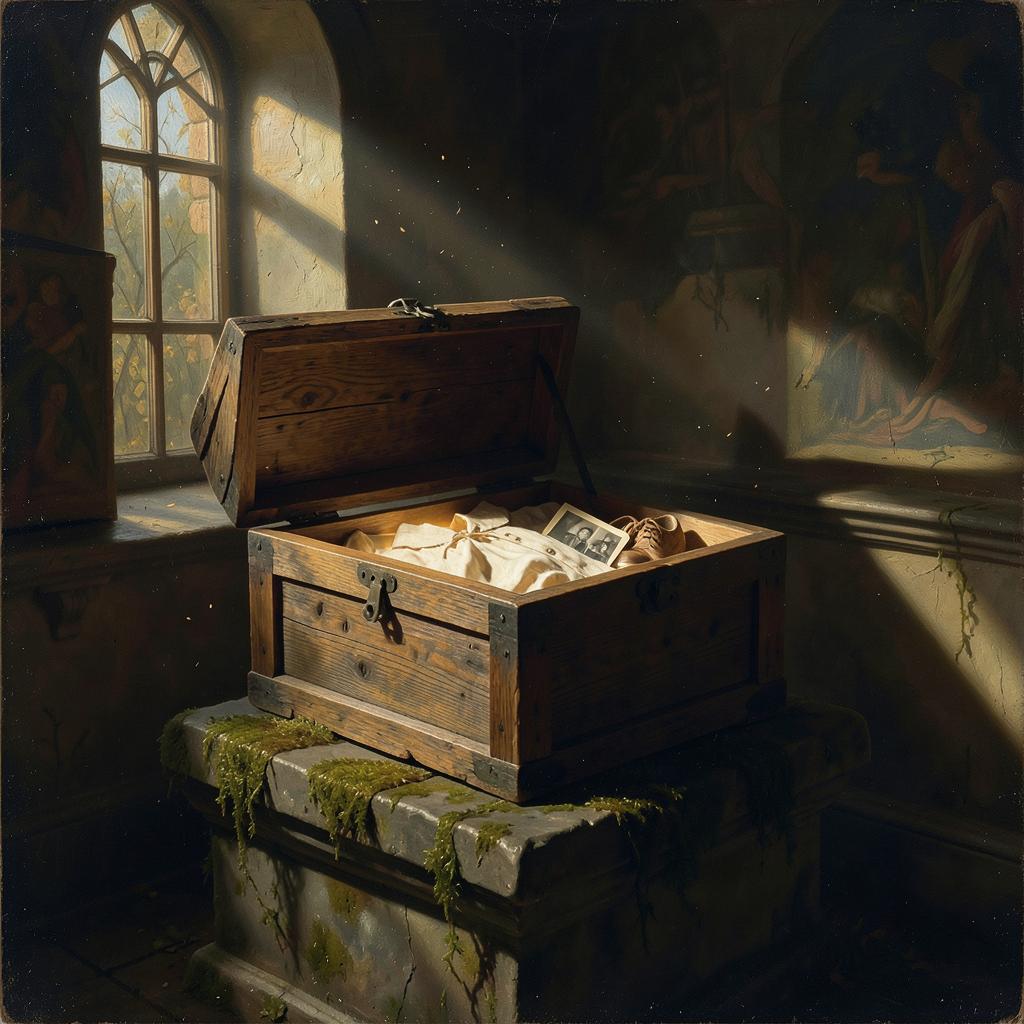

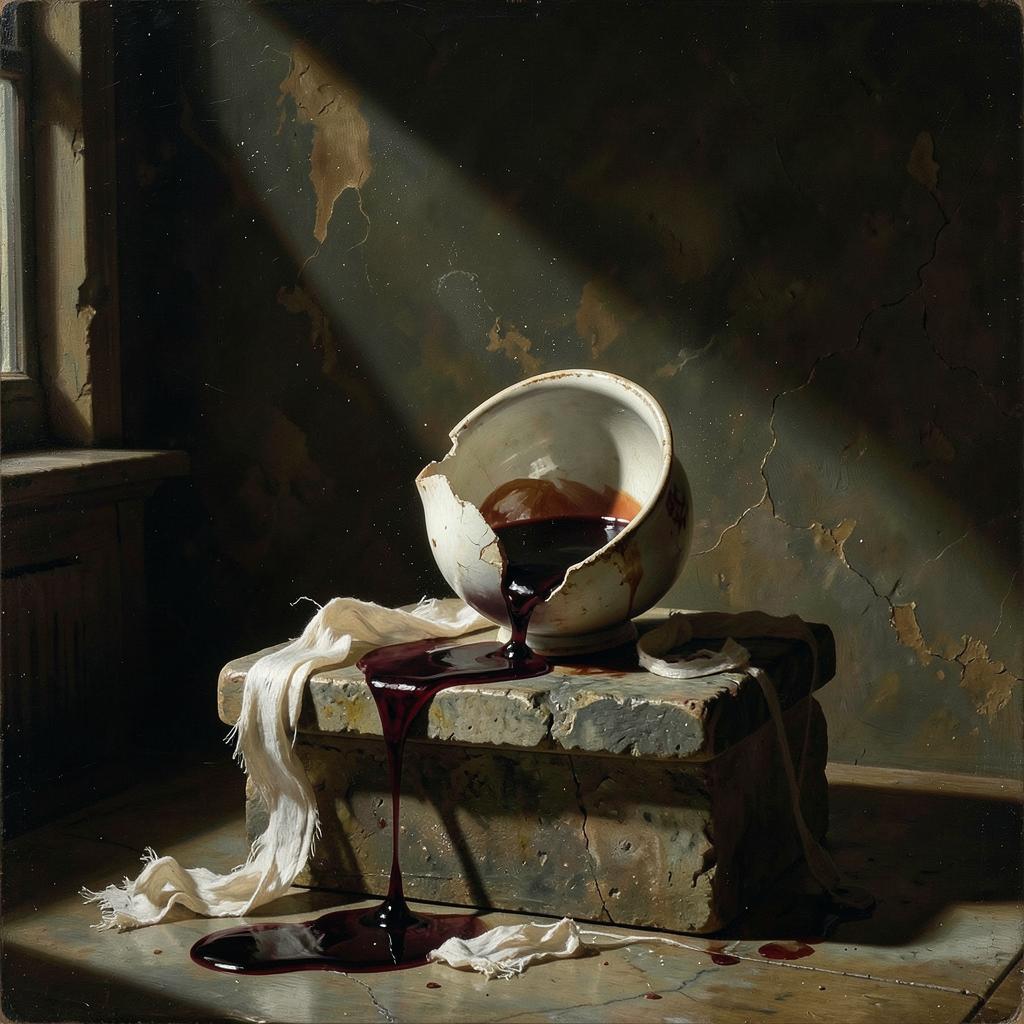
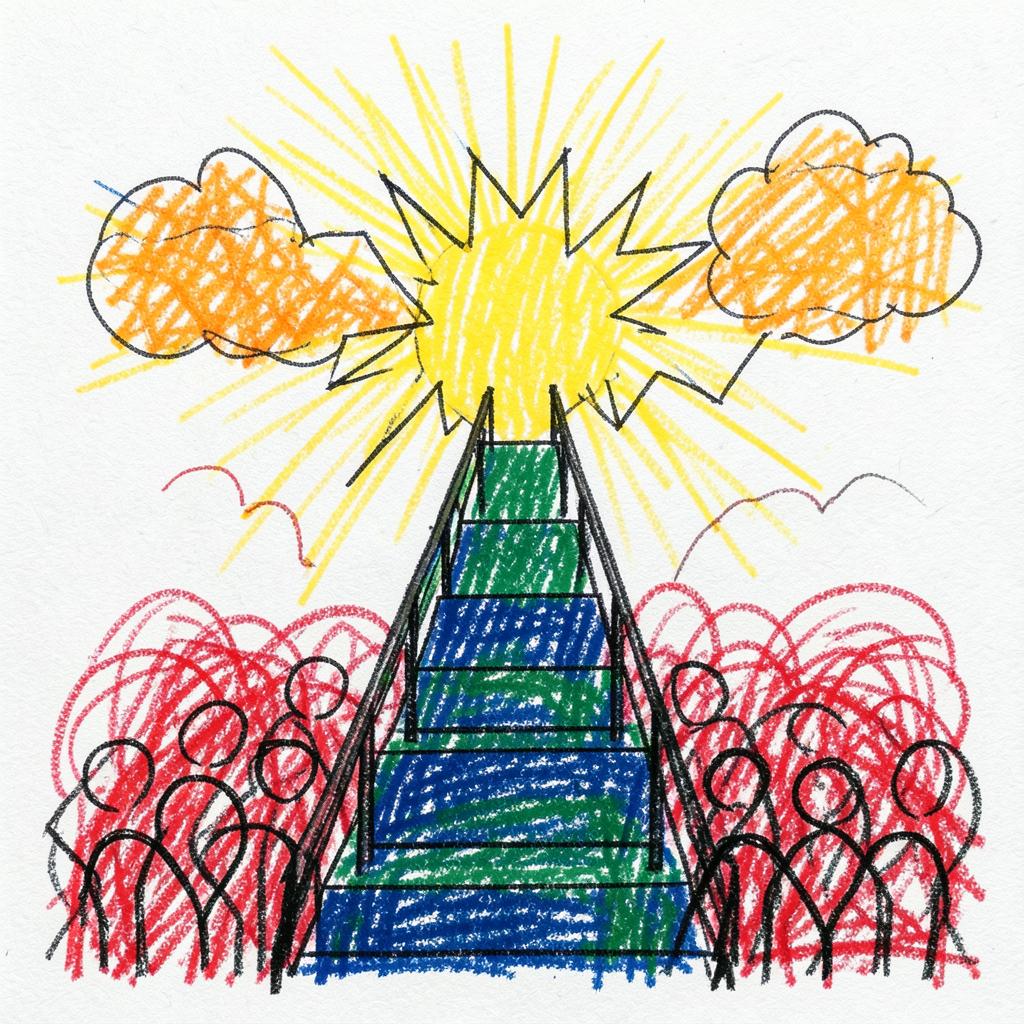

Cinematic music lives in the details
Cinematic music lives in contrast. A whispering piano can make a hallway feel wider. A low cello note can put weight behind a single glance. Then the arrangement opens up. Brass rises, drums gather and strings fill out the sound, making the moment feel larger. In the library, listen for those shifts. Look beyond the broad idea of a big score and notice what gives it momentum. A pulse can feel like a countdown. A choir can make the arrangement feel larger. A rough synth can make a futuristic passage feel dangerous, while silence can fall exactly where the impact should be.
The best cinematic pieces do not all sound heroic. Some are cold and suspended, built for moonlit roads or an empty station. Some feel intimate, built around fragile keys and understated emotion. Others move with mythic force, reaching for wonder, dread or a hard-won release. Follow the sound that matches your scene. Let it shape what you make next. A strong reference can show you possibilities for pace, texture and emotional weight without dictating the result.
Match the music to your story
Start with the image, then find the emotional turn. The scene may follow a character walking toward a secret, escaping a collapsing city or remembering someone they cannot call. That emotional turn changes the music. A slow build can make anticipation feel physical. A sudden drop can expose the fear underneath. A bright melodic lift can turn survival into something almost triumphant.
Cinematic music is useful wherever a moment needs more atmosphere. A filmmaker can use it to test the shape of a scene. A game designer can sketch the feeling of a new world. A writer can give a chapter its own atmosphere. A producer can chase an opening texture, a final surge or an unusual sound that does not fit the expected pattern. You do not need a finished project before you begin. Browse for a mood, follow an unexpected turn and notice what your imagination adds to the track. You may discover a direction you did not know you wanted.
Build tension, wonder and release
Making a cinematic piece starts with a clear sense of movement. Name the setting, the mood and the moment that must change. Maybe it begins with distant piano in a frozen landscape, gathers percussion as the lights go out and ends with strings pushing through the dark. Maybe it stays spare, letting one trembling note carry the whole scene.
Use those details to guide your own music in Suno. Try unexpected combinations. Pair orchestral weight with electronic edges. Set a tender melody against a threatening arrangement. Picture the scene before the action starts, then listen for how its sound changes after everything has shifted. Listen back for the section with the strongest feeling. That section often reveals the direction of the story.
Frequently asked questions
- How does cinematic music shape a scene?
- Cinematic music often creates a strong sense of scale, movement and emotion. It may use rising strings, low brass, spacious piano, percussion, choir or electronic textures, but no single instrument defines it. The feeling matters more than the formula. A quiet piece can sound cinematic when it creates suspense or makes a small moment feel important. A larger arrangement can suggest wonder, danger or release. Listen for how the music changes the way you picture a scene.
- Can cinematic music be quiet and emotional?
- Yes. Cinematic music does not need huge drums or a full orchestra. A restrained piano line, soft strings or a slowly changing ambient texture can carry deep emotion. Quiet scores often leave room for a character's thoughts, an unresolved memory or the tension before something happens. When exploring Suno's cinematic music library, follow pieces that create space as well as those that build towards a dramatic peak. The right choice depends on the feeling your scene needs.
- How can a scene guide the music I make with Suno?
- Begin with a specific scene and describe the setting, emotional arc and energy you want to hear. You might start with a deserted coastline at dawn, a tense pursuit through neon streets or a final conversation after the battle. Add musical direction such as intimate piano, rising strings, heavy percussion or futuristic synth. Then listen for the idea that sparks something. Refine your direction around that feeling and keep building from the scene.